

Picture this: you’re cruising through the house in socks, feeling smug about your heating bill… and then you step into The One Room. Instantly, your toes file a formal complaint. The hallway was fine. The rest of the house is fine. But this room? This room feels like it’s negotiating a separate peace treaty with winter. And no, it’s not haunted—though the way it steals your body heat does feel personal.
Here’s the good news: that cold-room problem is usually measurable, explainable, and fixable. This isn’t a generic “save energy!” pep talk or a vague “add insulation” sermon. It’s a diagnosis guide—because comfort issues are almost never random. They’re usually caused by a short list of repeat offenders: sneaky air leaks, insulation gaps, duct problems that leave the room underfed, or pressure imbalances that make conditioned air take the scenic route.
That’s exactly what a Home Energy Assessment is for: it pinpoints why the room is cold—air movement, missing insulation, duct leakage, airflow restrictions, pressure issues—so you can fix the right thing first instead of playing expensive whack-a-mole. And if you’re in Colorado or Wyoming, PowerHouse Home Performance is the local crew that runs the actual testing (blower door, infrared imaging, airflow/smoke checks, duct testing)—not “hold your hand near the window and guess” energy.
Fast Symptom Check: What The Cold Room Is Trying To Tell You

Before we start blaming your furnace, your windows, or your life choices, let’s do a quick triage. A cold room usually leaves clues, and the trick is noticing the pattern instead of throwing random fixes at it and hoping the house gets the memo.
Answer a few questions like you’re interrogating a suspicious character in a cozy mystery. Then again, if the room is cold only when the wind kicks up, congratulations, you’ve discovered your home’s secret second job as a wind instrument.
Quick Triage Questions To Ask
Is It Cold Only When It’s Windy?
That points to outdoor air finding its way in through gaps and cracks that stay quiet until the wind applies pressure.
Is It Worse Upstairs Or Over The Garage?
When it’s upstairs, we often see pressure differences pulling warm air up and out. Over a garage, it’s frequently a floor insulation issue or cold air washing the underside of the room.
Is The Room Cold But The Vent Is Blowing “Something-ish”?
Classic. If the airflow feels weak, lukewarm, or inconsistent, the problem may be delivery, not the equipment.
- Windy day makes it worse. That’s a strong hint the building shell is leaking under pressure.
- Door closed makes it worse. That’s usually a pressure or return air problem, not a “bad room” problem.
What Those Symptoms Usually Signal
Here’s the cheat sheet we use before any testing starts. Not a diagnosis yet, just the most common directional arrows.
| What You Notice | What It Usually Points To |
| Cold mainly on windy days | Wind-driven leakage |
| Worst upstairs, especially in winter | Stack effect or attic bypasses |
| Cold room over garage | Under-insulated floor or garage ceiling |
| Vent blowing weak or inconsistent air | Duct leakage or low airflow |
| Colder with the door closed | Room pressure imbalance |
A Home Energy Assessment confirms which of these is actually happening in your home, because symptoms overlap. The goal is to stop guessing and start narrowing.
The Testing, Not the Guessing: What a Home Energy Assessment Actually Measures
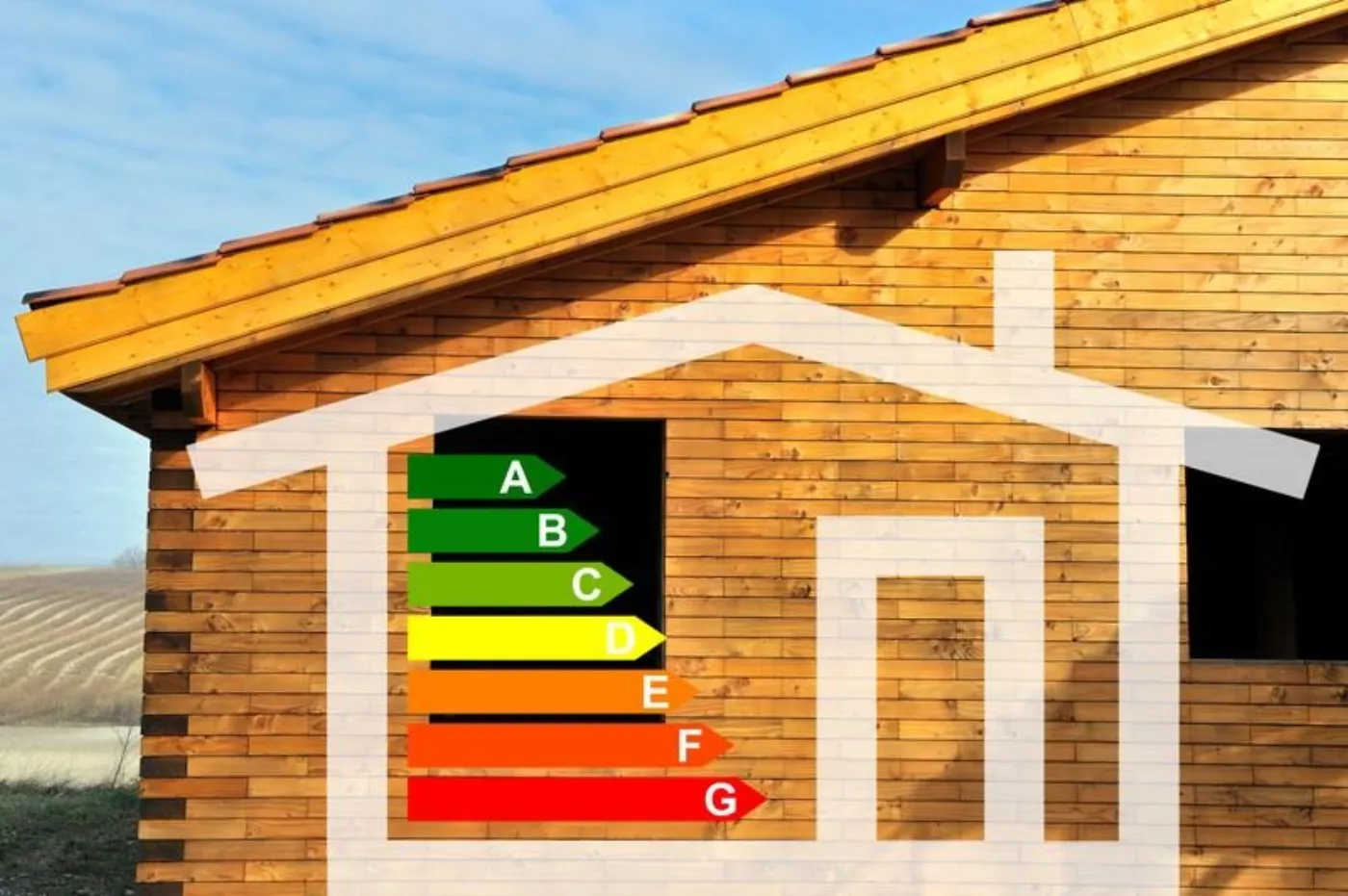
This is the part where we stop blaming your windows for everything. Windows get accused of a lot. Some of it is fair. But “one room feels like a walk-in freezer” is usually a whole-house physics issue, not a single pane of glass plotting against you.
Blower Door Testing
What It Proves
We use a blower door to temporarily depressurize the house and measure how much outside air is sneaking in through the building shell. It’s not just draft-hunting, it’s a real number that tells us how leaky the home is and helps us track improvement if you seal things up later.
Infrared Thermal Imaging + Leak Visualization
With pressure on the home, infrared thermal imaging makes heat loss and insulation gaps show up like a highlighted map, especially around hidden bypasses. The blower door exaggerates the leaks, and the camera helps us see where the problem actually lives.
We also use smoke and airflow tools so you can literally watch air move. It’s hard to argue with smoke that’s clearly being pulled into a gap you didn’t know existed.
- Blower door tells us how much leakage is happening.
- Infrared and smoke show us where it’s happening.
Duct Testing and What You Get After
If you’ve got forced-air heating or cooling, we test ducts and check room pressures because the furnace can be “fine” while the air delivery is not.
Then we lay it out in a clear report with photos, key results, and prioritized recommendations based on impact and cost, with an optional verification retest after improvements to confirm what changed.
What We Typically Find in CO/WY Homes and Why It Creates That Room

In a lot of Colorado and Wyoming houses, the cold room isn’t a mystery so much as a predictable side effect of how air, insulation, and pressure behave in a climate that actually commits to winter. During a Home Energy Assessment, we tend to see the same handful of “case files” show up again and again, just wearing different outfits.
Case File 1: The House Leaks From the Top
Attic Bypasses and Stack Effect
Warm air rises and escapes through gaps up high, and the home replaces that air by pulling cold air in down low. One room often ends up as the designated “makeup air” zone, which is a fancy way of saying it gets punished for physics.
Case File 2: Missing Insulation in Sneaky Spots
Some insulation problems are obvious. The annoying ones hide in kneewalls, rim joists, bonus rooms, and garage-adjacent floors where coverage is thin, uneven, or absent like it took a half day and left early.
- Bonus rooms and finished over-garage spaces are repeat offenders because they have more surfaces exposed to cold.
- Rim joists and kneewalls are common weak links because they are easy to under-insulate and hard to notice.
Case File 3: The Air Delivery Is Not Doing Its Job
Duct Leakage and Airflow Imbalance
Sometimes the system is producing heat just fine, but the air is not arriving like it promised it would. We see supplies that are under-delivering, ducts that leak into unconditioned spaces, or balancing issues that leave one room last in line when the airflow gets divided up.
Case File 4: The Room Can’t Breathe With the Door Closed
If a room gets colder when the door is shut, it may be starving for return airflow. Undersized returns, blocked pathways, or pressure buildup can quietly sabotage comfort even when everything else looks normal.
Case File 5: Thermal Bridging Doing the Quiet Damage
Framing can conduct cold right through the assembly, so you feel it even when insulation exists nearby. The camera does not negotiate, it just points and tells the truth.
And here’s the punchline: comfort problems are usually a chain reaction, not a single villain.
What To Do Next: Fixes Ranked Like a Sane Person Would Rank Them

Once we’ve tested the home, the goal is simple: stop doing random upgrades like you’re spinning a prize wheel at a hardware store. Our Home Energy Assessment results give us the order of operations, because the sequence matters as much as the fixes themselves.
Start With Air Leakage First
Why This Usually Wins Fast
Air leaks are the comfort-killers that make a room feel cold even when the thermostat is technically “winning.” Sealing the right leaks tends to deliver the quickest real-world payoff, because it reduces drafts and stabilizes temperatures before anything else tries to do its job.
Then Fix Insulation, Then Make the System Deliver
Insulation works best when air movement isn’t slipping around it. After that, we tighten up duct issues and airflow so the heat actually arrives where it was scheduled to be.
- Step one is targeted air sealing. It’s often the biggest comfort win per dollar.
- Step two is insulation improvements where coverage is missing or underperforming.
- Step three is duct sealing and airflow tweaks so the system stops losing air on the way.
- Step four is pressure and return-path tuning, especially if the room gets worse with the door shut.
Use the Report to Choose Phases, Not Panic
We lay out a clear, visual report with prioritized measures and cost vs benefit so you can phase improvements without doing everything at once. The optional retest is the proof step, because it’s nice to know the fix worked instead of just hoping your weekend projects earned your home’s respect.
Your Cold Room Can Be Solved — Once You Stop Treating It Like a Mystery Novel
Cold rooms aren’t random, and they’re rarely “just how the house is.” Once you measure what’s actually happening, leakage, insulation performance, and air delivery stop being vague suspects and start being very specific culprits. And when you know who did it, the fix usually isn’t complicated. It’s just ordered. That is the part most people miss.
If you’re in Colorado or Wyoming and you’re ready to trade guessing for clarity, PowerHouse Home Performance can run a Home Energy Assessment, give you a prioritized report that ranks fixes by real-world impact, and retest afterward if you want proof the needle moved. Because the goal is comfort, not another never-ending home improvement subplot.