
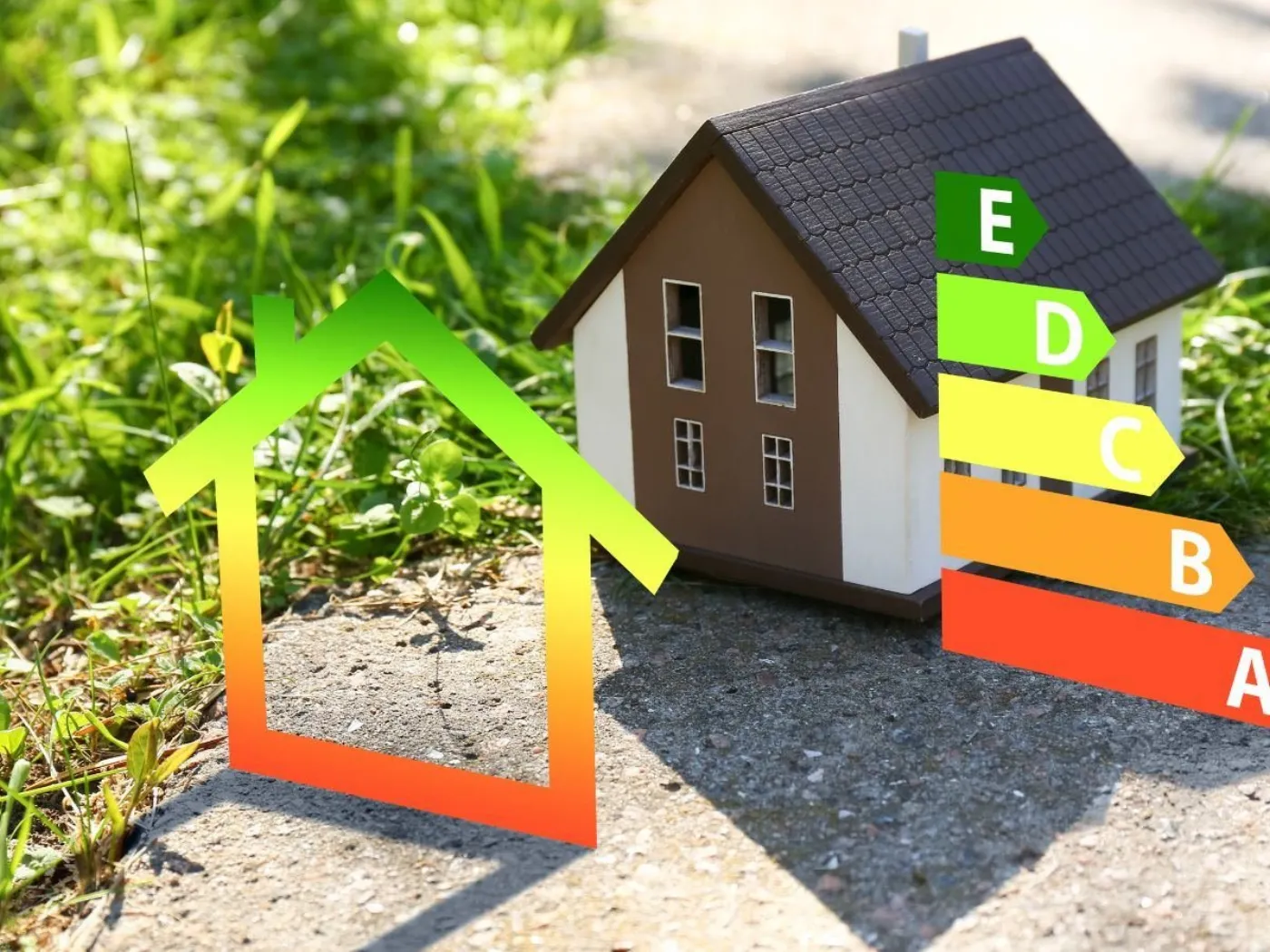
Home energy efficiency isn’t about fixing one thing—it’s about understanding how every part of your home works together. A house operates as an interconnected system where insulation, HVAC, windows, and even solar all influence one another. When one part is neglected, it can offset the benefits of improvements elsewhere, leading to wasted energy, uneven comfort, or higher utility bills. True efficiency comes from balance—each component supporting the others to create a comfortable, healthy, and cost-effective living environment.
Improving comfort and lowering energy use requires a coordinated approach. Better insulation reduces the load on your HVAC system, while high-performance windows help maintain consistent temperatures and minimize drafts. Add in smart ventilation or solar, and your home begins to function as a cohesive system instead of a collection of parts. That’s why upgrading only one area rarely delivers lasting savings—it’s the synergy between systems that makes all the difference.
At PowerHouse Home Performance, we start every home energy audit with a diagnostics-first approach. Our whole-home testing, detailed energy assessments, and data-backed recommendations uncover how your home truly performs. Then we design solutions that integrate insulation, air sealing, HVAC, and renewable options for maximum performance, comfort, and value—so you can experience the real power of whole-home efficiency.
Understanding Whole-Home Efficiency
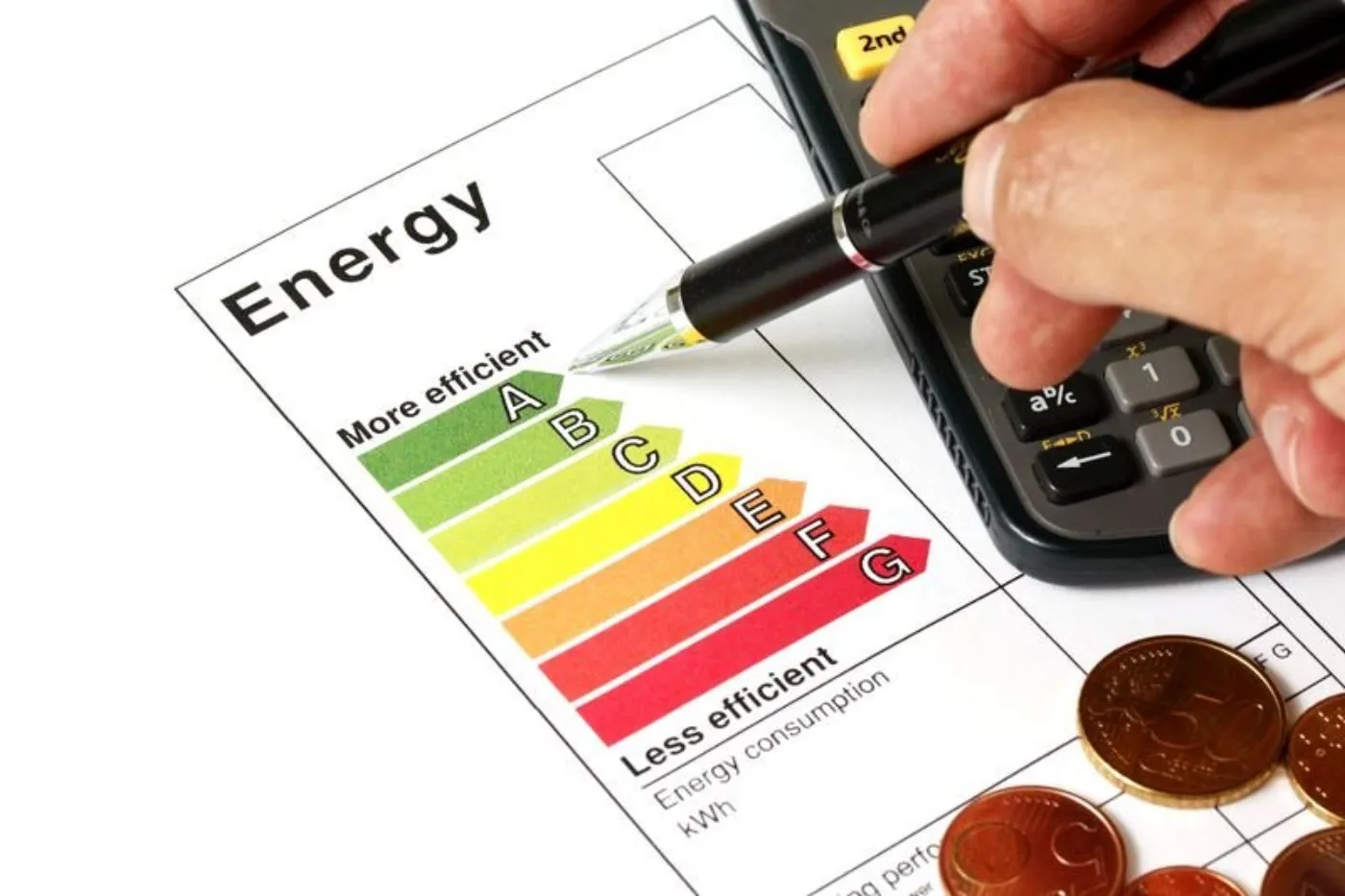
How Homes Function as Connected Systems
Every home operates as a network of interdependent systems. Insulation, HVAC, windows, and even appliances all influence one another and collectively determine how efficiently a home uses energy. A small change in one area can ripple through the rest of the home, affecting comfort, air movement, and system performance. For example, upgrading insulation without adjusting ventilation might trap moisture or stale air, reducing indoor air quality instead of improving it.
At PowerHouse Home Performance, we evaluate how each system interacts rather than isolating issues. We measure airflow, temperature balance, and system load so that improvements complement—not compete with—each other. This interconnected understanding forms the foundation of true home energy efficiency.
- Airflow, insulation, and HVAC capacity are interdependent
- Balanced systems improve comfort, air quality, and energy savings
And when all systems are aligned, you gain more than lower bills—you gain a home that feels consistently comfortable and performs well in every season.
Why Single Fixes Often Fall Short
Tackling one efficiency problem in isolation, such as replacing an HVAC unit or installing new windows, may seem like progress, but it often delivers limited results. When upgrades are made without understanding how the entire home works as a system, the outcome can shift energy use rather than reduce it. For instance, installing high-performance windows may reduce drafts but highlight air leaks elsewhere, revealing that the underlying issue was never fully solved.
We approach home energy efficiency holistically because we’ve seen how piecemeal fixes can miss hidden inefficiencies. By analyzing the entire building envelope, ductwork, and equipment operation, we make sure each upgrade works together to improve comfort and savings.
- Isolated fixes can unbalance airflow or moisture control
- A system-wide strategy ensures efficiency improvements work together
This whole-home focus ensures every dollar invested delivers lasting performance—and prevents new problems from replacing old ones.
Insulation: The Foundation of Energy Efficiency
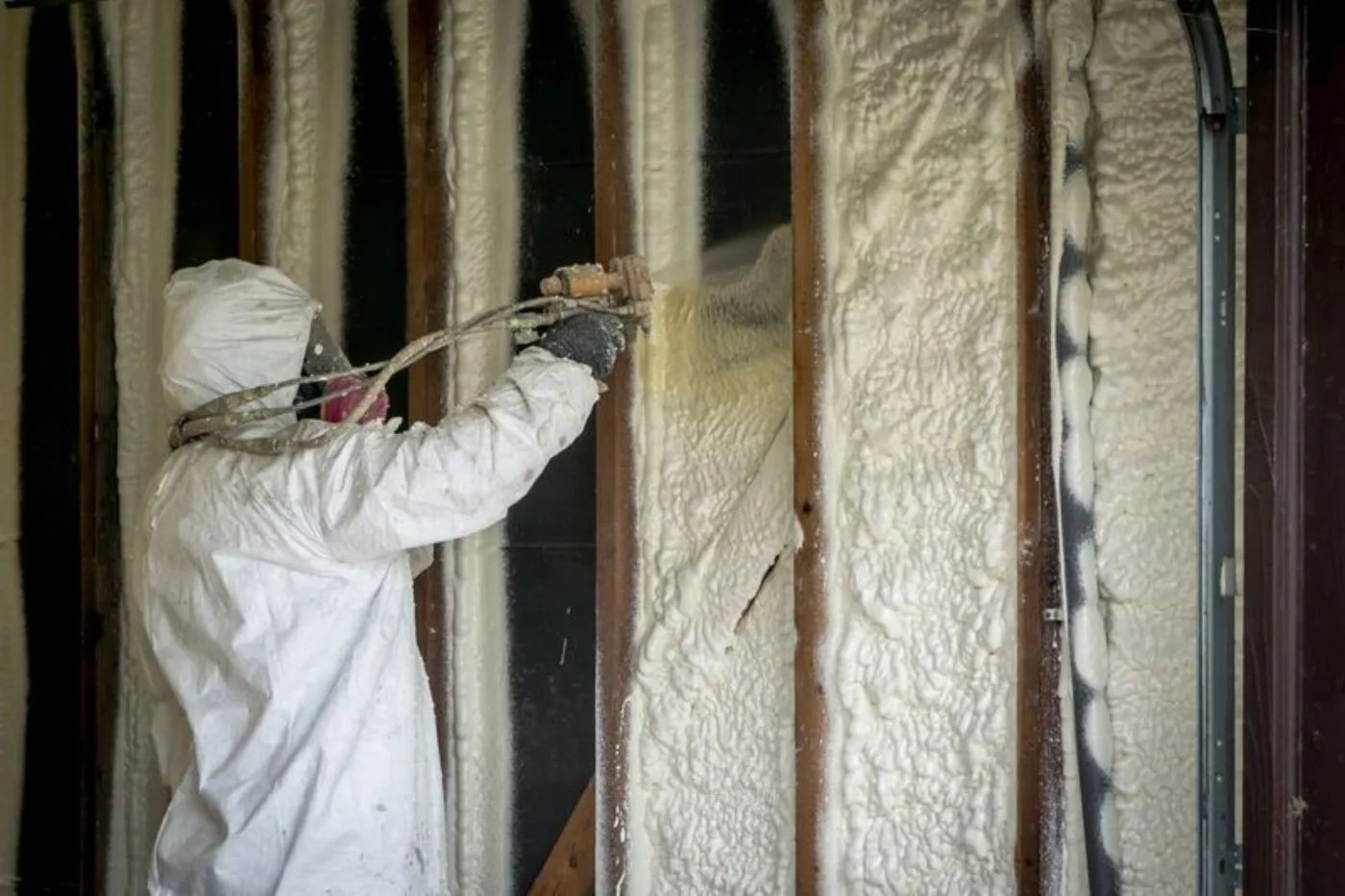
How Insulation Impacts Heating and Cooling
Insulation is the backbone of home energy efficiency because it keeps heated or cooled air where it belongs—inside your living space. Without enough insulation, conditioned air easily escapes through ceilings, walls, and floors, forcing HVAC systems to work harder and longer to maintain comfort. That added strain drives up energy costs and shortens the life of heating and cooling equipment.
When insulation is properly installed and evenly distributed, your home maintains steadier indoor temperatures year-round. Rooms feel more comfortable, equipment cycles less often, and energy bills drop. At PowerHouse Home Performance, we assess insulation performance as part of our whole-home energy strategy, identifying gaps, compression, or thin spots that undermine comfort and efficiency.
- Upgrading insulation often reduces heating and cooling costs by 15–25%
- Inconsistent insulation can cause hot and cold spots and reduce indoor comfort
And because Colorado’s wide temperature swings challenge both heating and cooling systems, the right insulation delivers measurable comfort and savings in every season.
Air Sealing and Insulation Work Together
Insulation alone can’t stop air movement. Air sealing is the companion process that prevents drafts and uncontrolled air leakage, ensuring insulation performs as intended. When insulation and sealing are done together, the result is a tighter, more stable home that holds temperature and humidity better throughout the year.
We use blower door testing as part of our home energy efficiency process to pinpoint leaks before adding or upgrading insulation. This testing shows where conditioned air escapes—around attics, rim joists, recessed lights, or utility penetrations—so sealing can be targeted and effective.
- Air sealing eliminates pathways for conditioned air to escape
- Proper insulation and sealing help HVAC systems operate efficiently
By combining insulation and air sealing, PowerHouse Home Performance helps homeowners create balanced, efficient homes that stay warm in winter, cool in summer, and comfortable all year long.
HVAC Systems: Efficiency Starts With the Right Load
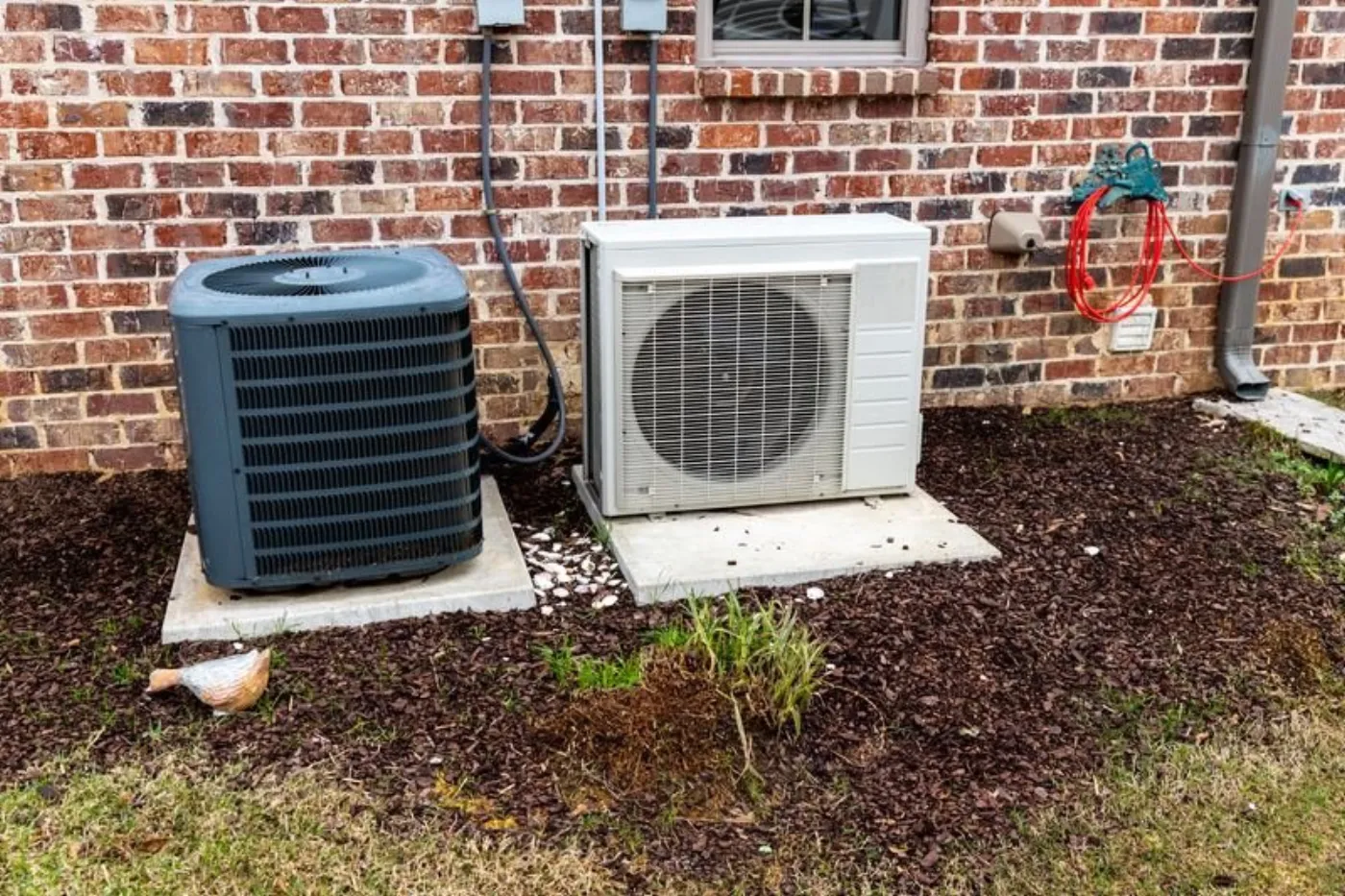
Why HVAC Sizing and Maintenance Matter
The performance of a home’s HVAC system directly depends on proper sizing and ongoing maintenance. An oversized or undersized system struggles to maintain consistent comfort—either cycling on and off too frequently or running nonstop to keep up. Both situations waste energy and lead to premature equipment wear. Matching HVAC capacity to a home’s insulation, air sealing, and overall design ensures the system can heat and cool efficiently without strain.
At PowerHouse Home Performance, we start every home energy efficiency project by verifying system load against real test data. We measure airflow, insulation quality, and building tightness to make sure your HVAC operates within its ideal range. Regular maintenance is equally critical—clean filters, sealed ducts, and annual tune-ups preserve performance and keep efficiency gains steady.
- Right-sized systems run longer, steadier cycles for better efficiency
- Regular maintenance (filter changes, duct sealing, tune-ups) preserves system performance
And when we align HVAC design with the home’s insulation and air sealing levels, comfort stabilizes, energy bills drop, and the system’s lifespan improves.
The Link Between HVAC and Other Systems
HVAC performance doesn’t exist in isolation—it relies on insulation, windows, and ductwork to maintain balanced airflow and temperature. Poor insulation or leaky ducts can force even high-efficiency equipment to overwork, reducing comfort and increasing costs. Quality windows and a tight building envelope help maintain indoor temperatures so the HVAC system can operate at its intended load.
When your home’s envelope performs well, other opportunities open up—like solar. Once the building shell is optimized, solar energy can offset HVAC usage more effectively because the system’s demand is lower from the start. PowerHouse Home Performance helps homeowners coordinate these upgrades in the right order to achieve the best results.
- Balanced systems reduce wear on HVAC components
- Sealing and insulation upgrades can allow downsizing of future HVAC units
By treating the HVAC system as part of the larger home energy efficiency picture, we ensure that every upgrade supports the others, maximizing both comfort and long-term savings.
Windows and Doors: Sealing the Envelope
The Role of Glazing and Frame Materials
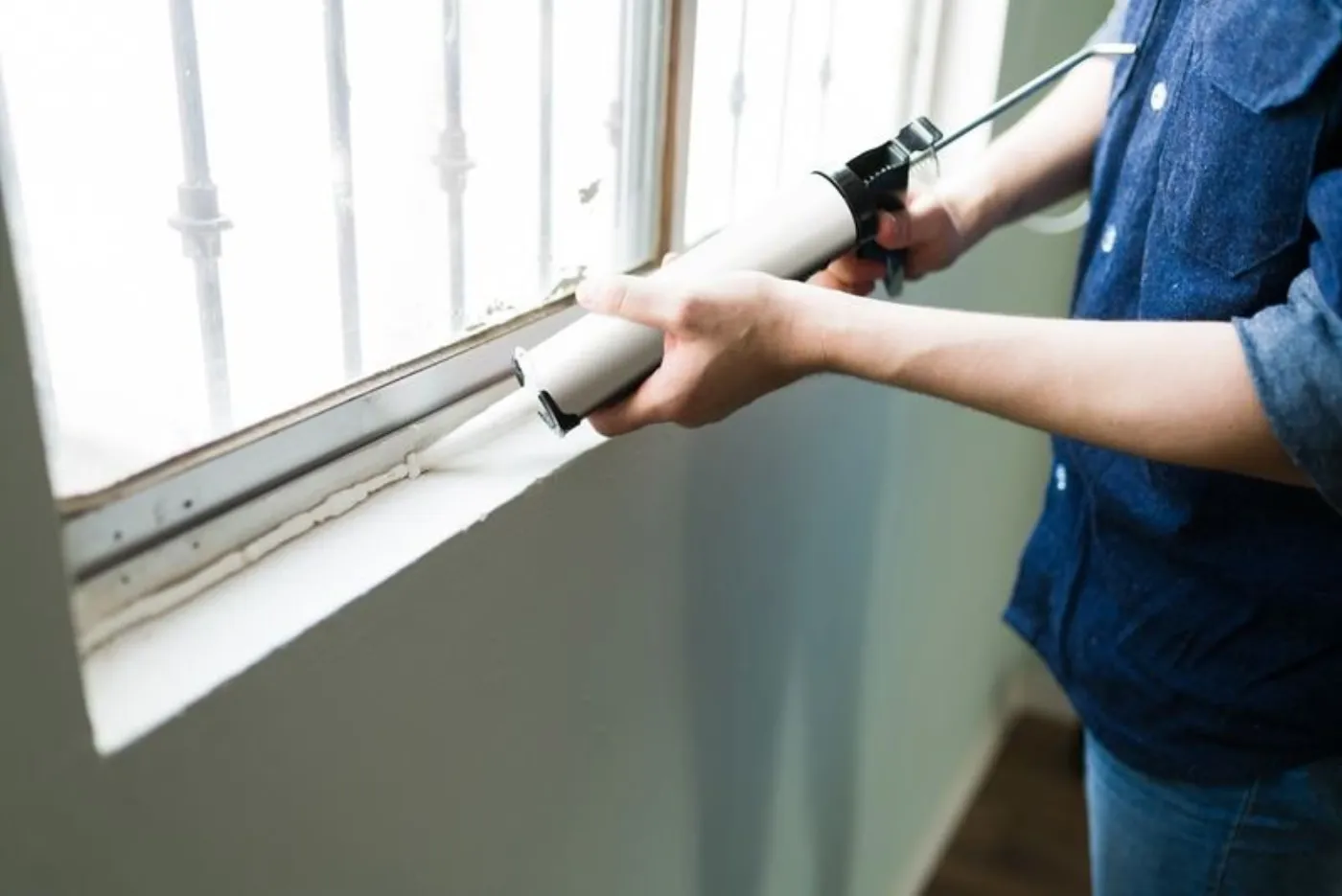
Windows and doors play a key role in home energy efficiency by managing how heat enters and escapes the home. The type of glass, frame material, and installation method all influence how effectively your home maintains comfortable indoor temperatures. High-performance glazing reduces heat loss in winter and limits heat gain in summer, helping your HVAC system operate with less effort and lower energy consumption.
Modern low-E coatings, double or triple panes, and insulated frames all add layers of protection against outdoor temperature swings. When installed correctly, they create a tighter building envelope that stabilizes comfort, reduces condensation, and limits outside noise. At PowerHouse Home Performance, we evaluate window and door performance as part of our full-home energy assessment to ensure they align with your insulation, HVAC, and overall efficiency goals.
- ENERGY STAR windows can cut heat loss by up to 30%
- Proper installation is just as critical as the window itself
And because Colorado’s climate can shift from sunny afternoons to freezing nights, choosing the right window system is essential for year-round comfort and balanced energy use.
Common Mistakes With Window Upgrades
Replacing windows without considering insulation, air sealing, or HVAC performance can lead to imbalance instead of improvement. A common example is when airtight, modern windows are installed in an older, leaky home—reducing natural ventilation and potentially trapping moisture or stale air. While the new windows reduce drafts, they may unintentionally highlight other areas where the building envelope is weak or unbalanced.
We’ve seen that window and door upgrades work best when they’re part of a coordinated home energy efficiency plan. When combined with proper insulation and ventilation adjustments, these improvements deliver steady comfort and real savings instead of short-term fixes.
- Window improvements must complement overall home design
- Integrating window work into a whole-home plan prevents unexpected side effects
At PowerHouse Home Performance, we help homeowners plan window and door upgrades as part of a larger efficiency strategy, ensuring every improvement supports the next for lasting results.
Solar and Renewable Integration
Why Solar Works Best in an Efficient Home
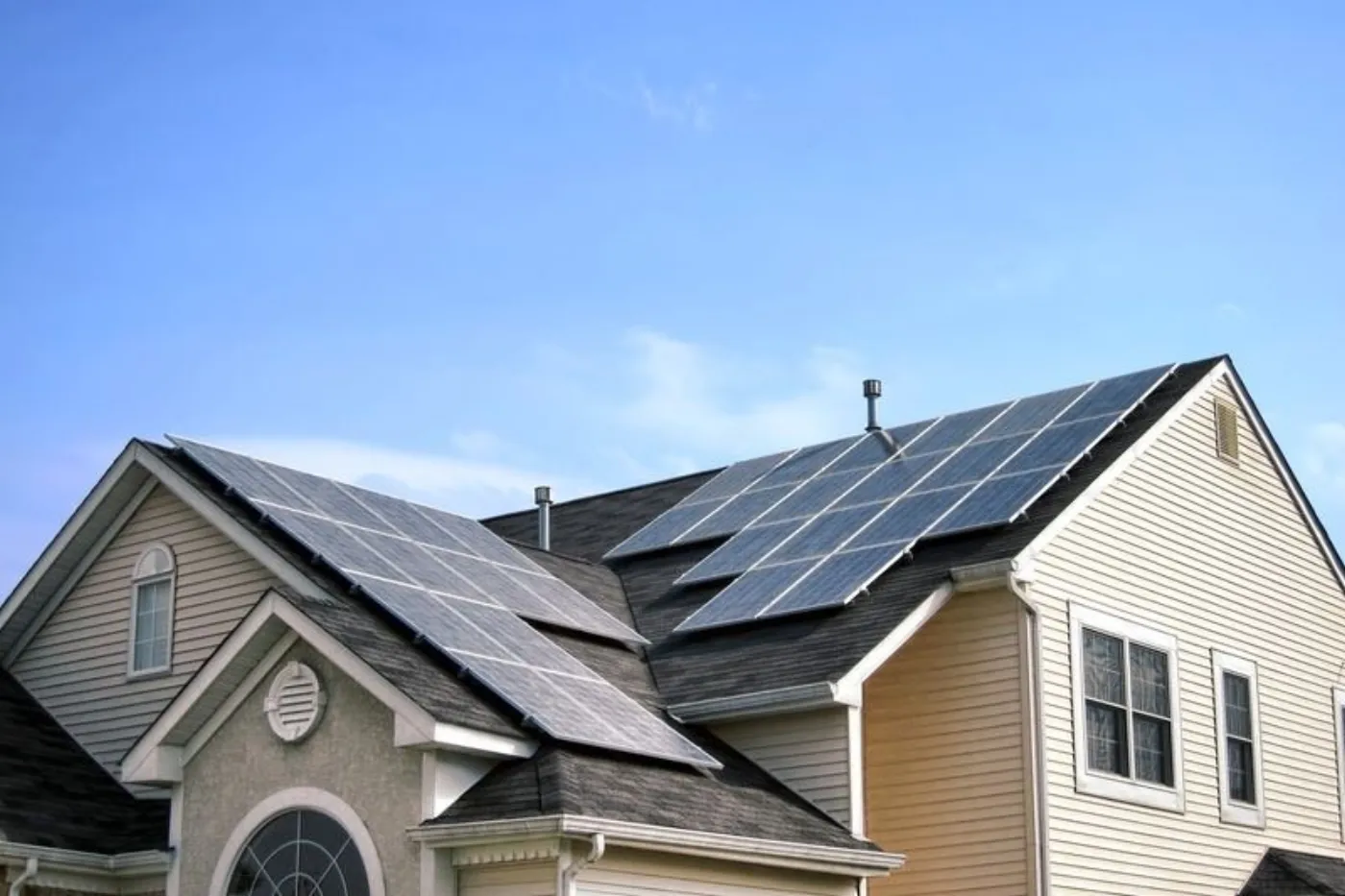
Solar power delivers its best return when a home’s overall energy demand is already minimized. Before adding panels, it’s essential to improve insulation, seal air leaks, and ensure HVAC and window systems operate efficiently. These steps reduce the amount of energy your home needs, meaning your solar system can be smaller, less costly, and more effective in offsetting your energy use.
By focusing first on home energy efficiency, solar panels can produce a larger percentage of your total energy demand, maximizing both environmental impact and cost savings. And because an efficient home holds temperature better, the energy your panels generate stretches further—supporting heating, cooling, and everyday needs without waste.
- Reducing load first means fewer panels and faster payback
- Solar energy efficiency starts with a tight building envelope
When your home’s systems are optimized, solar becomes the final piece that turns efficiency into self-sufficiency.
PowerHouse’s Approach to Whole-Home Energy Efficiency
At PowerHouse Home Performance, we coordinate every step of the process—testing, insulation, HVAC optimization, window upgrades, and solar integration—to ensure all components work together. Our diagnostics-first approach uses blower door testing, thermal imaging, and performance modeling to identify where improvements will deliver the biggest impact before solar installation begins.
We rely on real performance data to size and design your solar system around your home’s actual efficiency level, not just estimates. This ensures your investment delivers the highest possible return while maintaining balanced comfort year-round.
- One team manages diagnostics, installation, and verification
- Customers see measurable comfort, safety, and savings improvements
By combining building science with renewable technology, PowerHouse Home Performance transforms homes into efficient, sustainable systems that perform reliably for years to come.
Why PowerHouse Home Performance Takes a Holistic Approach

Home energy efficiency is not about isolated upgrades—it’s about how all systems in a home work together to achieve balance, comfort, and long-term performance. At PowerHouse Home Performance, we take a holistic approach because we’ve seen how focusing on one issue often leaves others unresolved. Insulation, HVAC, air sealing, windows, and solar must operate as one integrated system for real, measurable efficiency gains. When each piece functions in harmony, homes become quieter, healthier, and significantly more cost-effective to run.
Our process is grounded in building science and precision testing. We start by evaluating your home through data-driven diagnostics, using tools like blower door testing and infrared imaging to pinpoint leaks and inefficiencies. Then we design a custom improvement plan that connects every component—from air sealing and insulation upgrades to HVAC optimization and solar integration. After the work is complete, we verify results with post-testing and performance tracking to ensure improvements perform as promised.
- Holistic upgrades prevent waste and maximize comfort
- Every project includes testing before and after improvements
And because our team handles diagnostics, design, installation, and verification under one roof, we deliver consistency and accountability throughout the entire process. With PowerHouse Home Performance, you gain more than upgrades—you gain a coordinated system that works together for years of dependable comfort and energy savings.
Building Efficiency That Lasts
True home energy efficiency doesn’t come from fixing one issue—it comes from understanding how every system in your home works together. When insulation, HVAC, windows, and solar are treated as connected components rather than separate upgrades, the result is lasting comfort, lower energy bills, and improved indoor air quality. Each improvement reinforces the others, creating a home that performs better in every season while protecting your investment for years to come.
At PowerHouse Home Performance, we specialize in building science–based solutions that deliver results beyond surface-level fixes. Our comprehensive home energy evaluation uncovers where your home is losing energy and identifies the smartest sequence of improvements for maximum impact. By testing first, designing precisely, and verifying every step, we help you build efficiency that lasts.
If you’re ready to make your home more comfortable and efficient, start with a professional assessment from PowerHouse Home Performance. Together, we’ll create a plan that improves comfort, safety, and savings—so you can enjoy a healthier, more efficient home all year long.