Radon Testing & Inspection
Protect Your Family with
Professional Radon Testing
Radon is a colorless, odorless gas formed as uranium in the soil breaks down, and Colorado's geology makes levels especially high. It enters through cracks, crawl spaces, sump pumps, and foundation gaps, silently accumulating indoors. The only way to know your home is safe is proper testing, and we make it straightforward.

Why Radon Inspections Matter in Colorado
Testing is not optional here. It is essential.
Colorado's soil and rock formations contain higher amounts of uranium, making our state especially prone to elevated radon levels. And because radon gives no sensory warning at all, measurement is the only detection there is.
Health protection
Radon is the leading cause of lung cancer among nonsmokers.
Colorado-specific risk
Local geology raises the odds of unsafe levels in any home, new or old.
Peace of mind
Testing confirms your home is safe for the people you love, in numbers, not guesses.
Systems need verification too
We do not just install systems, we make sure they keep working, year after year.
How It Works
Our radon system inspection process
System Walkthrough
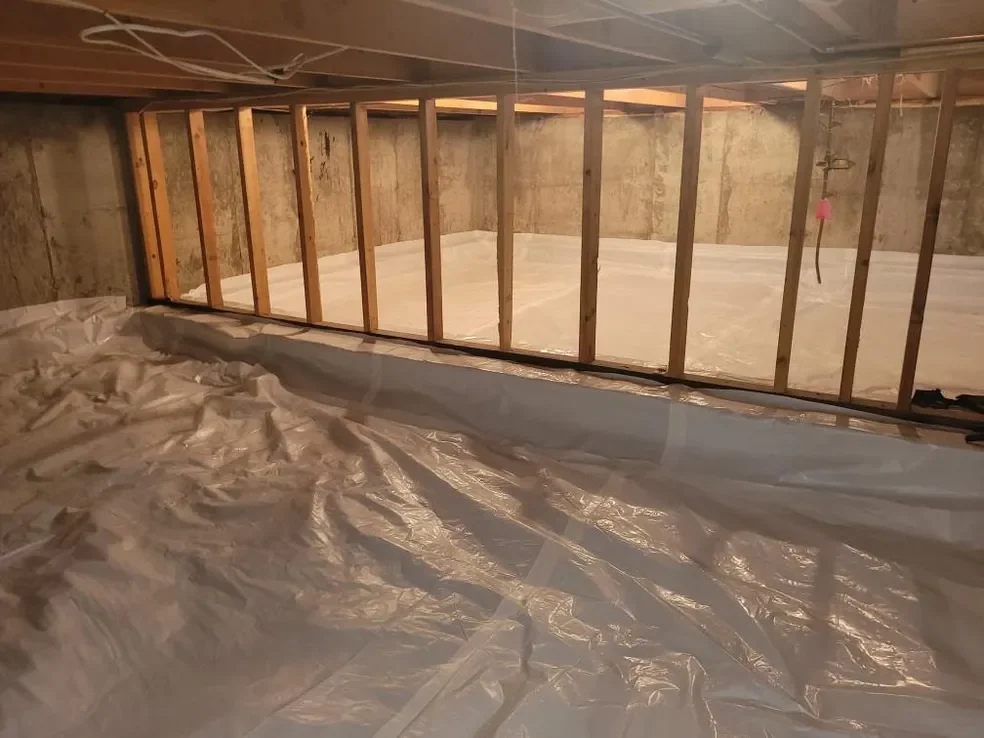
A thorough inspection of the fan, vent piping, seals, and discharge points for wear, damage, or installation issues.
Performance Monitoring
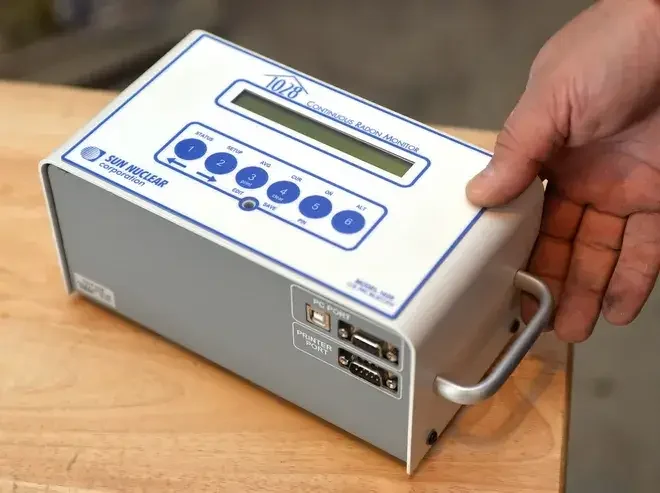
Monitoring equipment placed in the lowest livable level measures how effectively the system is holding radon down.
Data Collection & Analysis
We review concentrations, fan performance, and airflow against the EPA action level of 4.0 pCi/L.
Results & Recommendations
Findings explained in detail, with clear next steps for any maintenance, repairs, or upgrades needed.
When To Test
The four moments that call for a radon test
Buying or selling a home
Most Colorado real estate transactions now involve radon testing. Accurate results keep the deal moving with confidence.
After renovations or foundation work
Structural changes can open new radon entry points. Testing confirms you are still protected.
Every 2-3 years
Soil and home conditions shift over time. Regular testing keeps yesterday’s safe result true today.
If you have never tested
Peace of mind starts with a number. One test tells you exactly where your home stands.
Whole-Home Approach
If levels are high, the fix is in-house
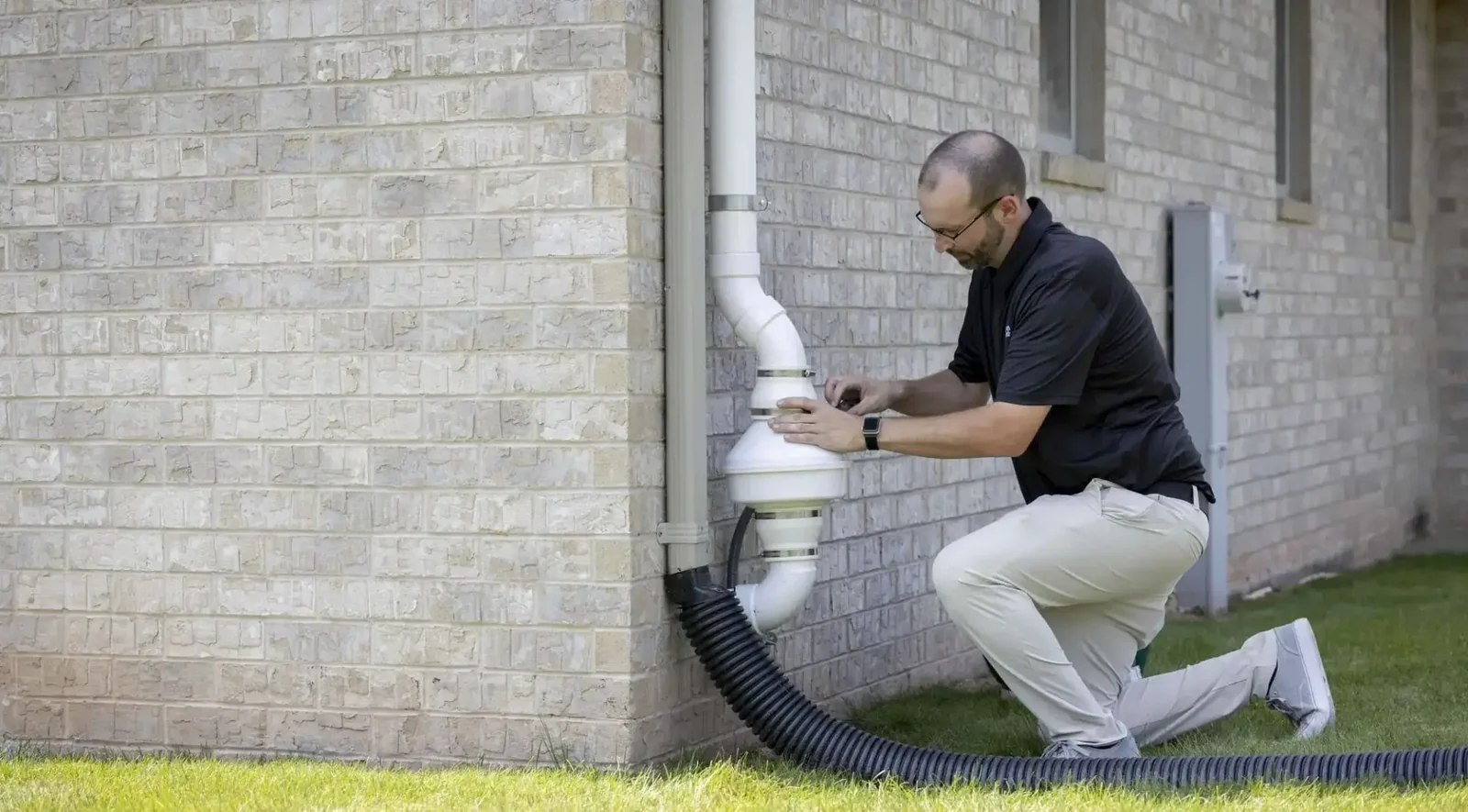
Testing, mitigation, and crawl space encapsulation under one certified roof means no handoffs and no finger-pointing.
For the national guidance behind our process, see the EPA’s guide to testing your home for radon, which underpins the 4.0 pCi/L action level we measure against.
Reviews From Happy Clients
Rated 5.0 on Google
Had a good experience with PowerHouse? A quick review helps the next Colorado homeowner find us.
Leave Us a Google ReviewFAQs
Frequently Asked Questions
When should I test my home for radon?
When buying or selling a home (most Colorado transactions now involve radon testing), after renovations or foundation work, every 2-3 years even with previously safe results, and immediately if you have never tested before.
Why can’t I just rely on how the air feels?
Radon is colorless and odorless, and exposure causes no immediate symptoms. Testing is the only way to detect it, period.
Is a DIY radon kit good enough?
DIY kits can give you a first look, and testing often happens during home inspections too. Professional testing gives you certified, decision-grade measurements, and it is what mitigation design and real estate deals rely on.
What does a radon system inspection cover?
A full walkthrough of the fan, vent piping, seals, and discharge points, performance monitoring in the lowest livable level, data analysis against the EPA 4.0 pCi/L action level, and a clear report with any maintenance or upgrade recommendations.
My radon system is running. Doesn’t that mean it works?
Not necessarily. Fans wear, seals fail, and airflow degrades quietly, all while the system hums along. Monitoring is the only way to confirm levels are actually staying low.
What happens if my levels come back high?
As a licensed radon mitigation provider we design and install the fix ourselves, so you are not handed a report and left to find a second company. Most mitigation systems go in within a day.
Does Colorado require radon education in real estate deals?
Yes. Colorado law now mandates radon education in real estate transactions, which is part of why testing during a purchase or sale has become standard practice.
How long does testing take?
Placement is quick, then the monitoring period runs its course, typically a couple of days for short-term measurements, before we collect the data and walk you through the results.
Do conditions really change enough to retest every few years?
Yes. Soil conditions shift, homes settle, and new entry points open over time, which is why the every 2-3 years guidance exists even for homes with mitigation systems.
Where do you offer radon testing and inspection?
Across the Colorado and Wyoming Front Range, including Fort Collins, Wellington, Boulder, and Denver, where we also run a dedicated Denver radon testing service.
Get Started Today
Get the answers you need with radon inspection
With certified methods, thorough evaluations, and a customer-first approach, we give Colorado and Wyoming homeowners confidence that their homes and their systems are protecting their families.
970-594-8280