
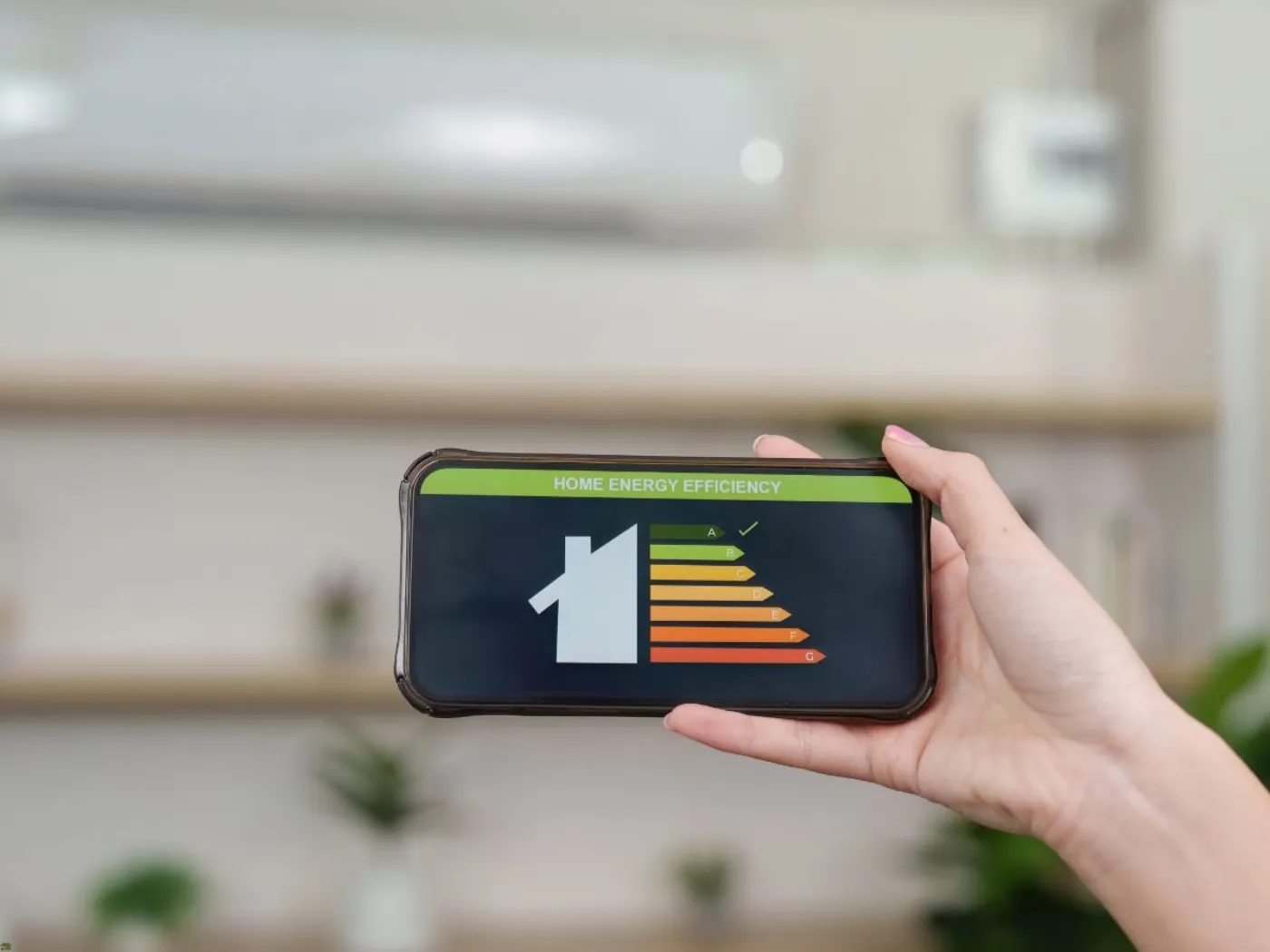
Why Your Home May Be Wasting Energy
Most homeowners assume that saving energy is as simple as turning off the lights when leaving a room or keeping the thermostat a few degrees lower in winter. While those habits help, they only scratch the surface of where your energy dollars are truly going. The real culprits often hide in plain sight — behind walls, in attics, or even inside your HVAC system. Tiny leaks, outdated equipment, and unnoticed inefficiencies can silently drain hundreds of dollars every year. That’s where a home energy audit comes in.
A professional home energy audit is the key to uncovering what’s really happening behind the scenes. Unlike quick DIY fixes or assumptions about where energy loss occurs, an audit uses specialized diagnostic tools — like infrared cameras and blower door tests — to detect inefficiencies you can’t see or feel. The result is a clear, data-backed picture of your home’s performance. From insulation gaps and leaky ducts to inefficient water heaters or phantom power from electronics, an energy audit identifies exactly where you’re losing comfort, air quality, and money.
At PowerHouse Home Performance, we specialize in comprehensive home energy assessments across Colorado — helping homeowners pinpoint energy waste, improve comfort, and reduce monthly costs. In this guide, we’ll explore the top hidden energy wasters that a PowerHouse energy audit can uncover — and more importantly, how to fix them. By the end, you’ll know exactly what to look for and how a professional audit can turn your home into the energy-efficient, comfortable space it was meant to be.
What Is an Energy Audit?
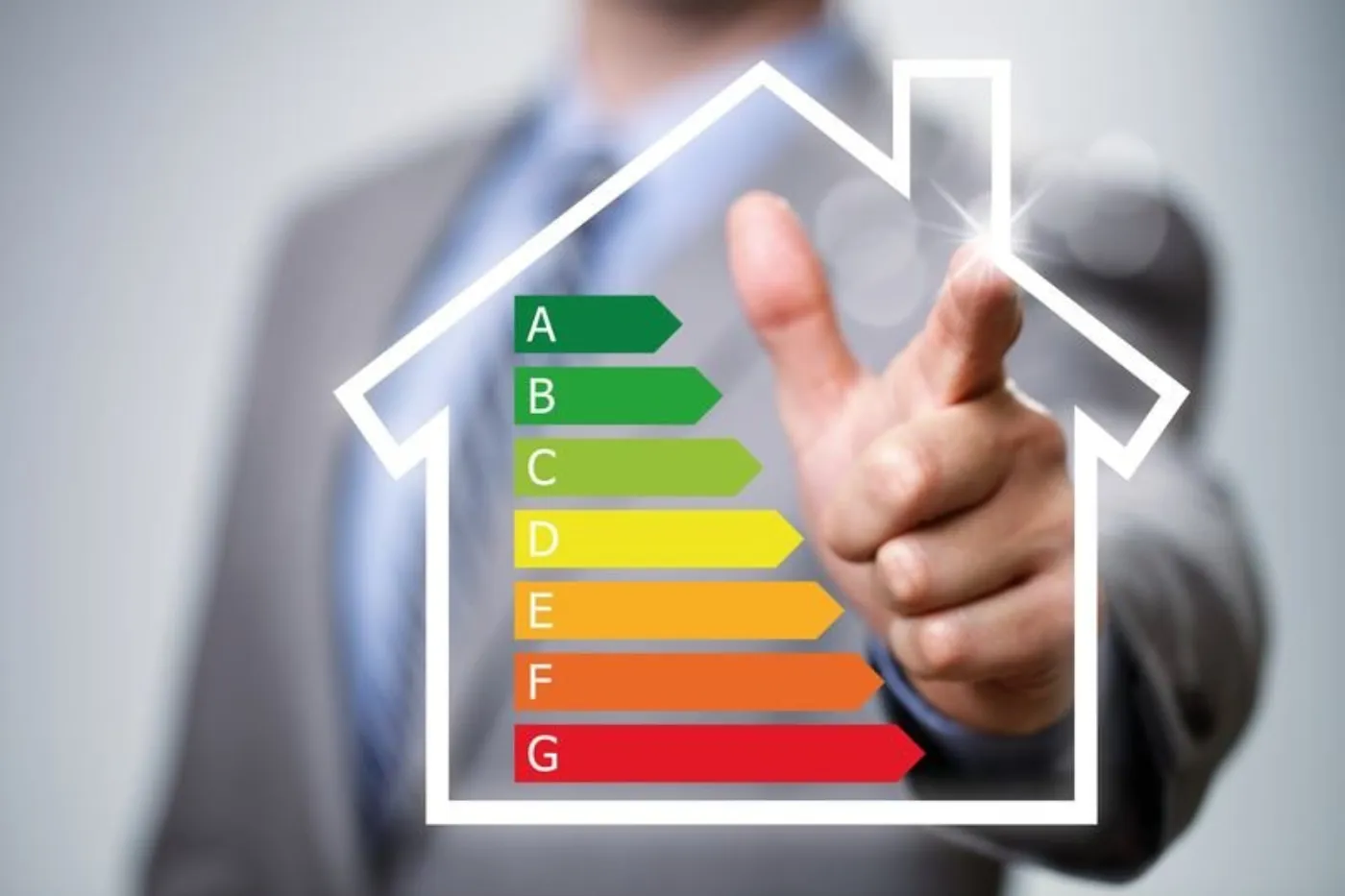
Understanding the Purpose of a Home Energy Audit
A home energy audit—also called a home energy assessment—is a comprehensive evaluation designed to measure how efficiently your home uses energy. Rather than guessing where you might be losing heat or overspending on utilities, an energy audit provides measurable data about your home’s actual performance. It pinpoints areas where energy is being wasted and identifies the upgrades that will have the biggest impact on comfort, savings, and sustainability.
Think of it as a “health check” for your home. While you might notice drafty rooms or inconsistent temperatures, an energy audit reveals why those issues occur. From air leaks in ductwork to outdated insulation or inefficient heating systems, every finding helps you make smarter, cost-effective improvements.
DIY Energy Checks vs. Professional Energy Audits
Some homeowners attempt DIY energy checks — walking around the house to look for drafts or inspecting insulation levels. While this is a helpful first step, it’s limited by what the naked eye can detect. A professional home energy audit, on the other hand, relies on advanced diagnostic tools and expertise that go far beyond surface-level inspection.
Certified technicians (like those at PowerHouse Home Performance) use specialized instruments such as:
- Blower door tests to measure air leakage and pressure differences throughout the home.
- Infrared cameras to detect hidden insulation gaps or cold spots behind walls.
- Combustion analyzers to ensure heating systems are running safely and efficiently.
These tools reveal problems that a DIY approach simply can’t—such as duct leaks hidden in crawl spaces or inefficient appliances silently wasting energy 24/7. The difference between guessing and knowing can translate into hundreds of dollars in annual energy savings.
How the Professional Audit Process Works
A professional home energy assessment follows a structured process designed to deliver actionable insights, not just data. Here’s how it typically works:
- Initial Inspection: The technician evaluates your home’s exterior, HVAC system, windows, insulation, and electrical appliances.
- Data Collection: Using diagnostic equipment, they perform pressure tests, thermal imaging, and airflow analysis.
- Detailed Report: You receive a customized report outlining key inefficiencies, improvement recommendations, and estimated cost savings.
This step-by-step approach transforms complex data into clear priorities—so you know where to invest first for maximum impact.
Benefits of a Home Energy Audit:
- Lower utility bills: Identify and fix the biggest energy drains.
- Greater comfort: Eliminate drafts, uneven temperatures, and hot/cold spots.
- Improved air quality: Seal leaks that let dust and pollutants circulate.
- Reduced carbon footprint: Cut unnecessary energy use for a more sustainable home.
A professional energy audit doesn’t just find problems—it delivers a roadmap for lasting efficiency and comfort.
The Next Step: Finding Hidden Energy Waste
With the basics of a home energy audit explained, it’s time to dive into the most common (and surprising) culprits behind high utility bills.
Now, let’s uncover the top hidden energy wasters a home energy audit can expose.
Leaky Air Ducts and Poor Sealing
The Invisible Culprit Behind Rising Energy Bills
Few homeowners realize that small duct leaks can waste up to 30% of conditioned air. When your heating or cooling system works hard to push air through leaky ducts, that energy escapes into crawl spaces, attics, or walls instead of reaching the rooms you live in. The result? Higher utility bills and inconsistent comfort.
Common Signs of Duct Leakage
- Uneven temperatures between rooms
- Dust accumulation near vents
- Weak or noisy airflow
A home energy audit uses pressure testing and airflow diagnostics to detect exactly where the leaks are occurring.
PowerHouse’s Proven Fix
PowerHouse Home Performance seals ducts with precision materials and may recommend insulation upgrades to prevent future loss. The result is a quieter, cleaner, and more efficient HVAC system that delivers comfort evenly throughout your home.
Insufficient Attic Insulation
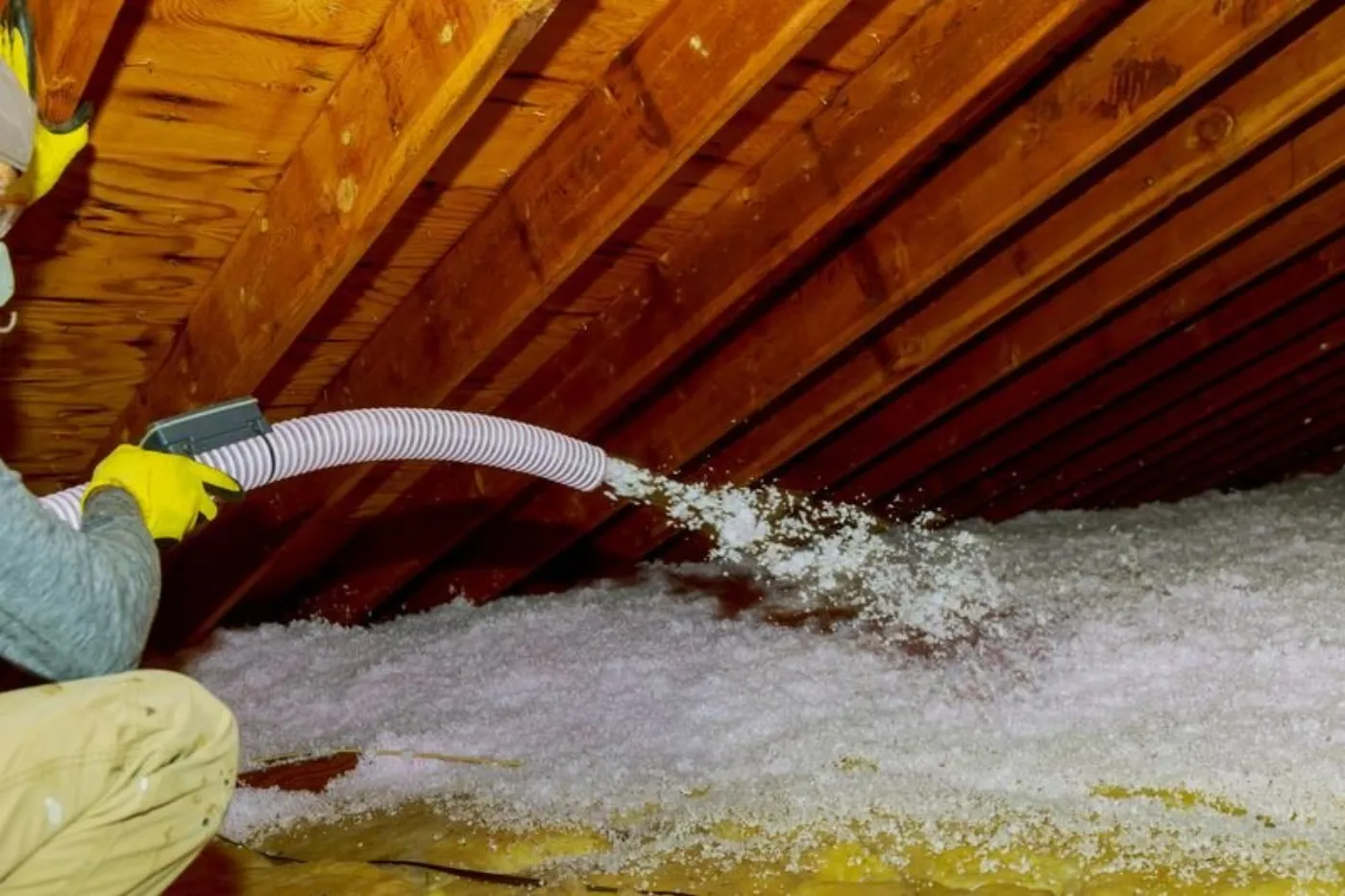
Why Your Attic Could Be Costing You Hundreds
In Colorado’s variable climate, proper insulation is essential. The U.S. Department of Energy recommends an R-value of R-49 to R-60 for attics in this region, but many older homes fall far short. Poor insulation lets warm air escape in winter and invites heat in during summer, forcing HVAC systems to work overtime.
What an Energy Audit Reveals
Using infrared cameras and moisture detection, a home energy assessment pinpoints gaps, compression, or wet insulation that undermines performance.
Recommended Upgrades
- Blow-in cellulose or fiberglass insulation
- Air sealing around penetrations and attic hatches
PowerHouse’s experts evaluate existing insulation depth and quality, recommending improvements that can reduce heating and cooling costs by up to 20% annually while maintaining consistent indoor comfort.
Phantom Power from Electronics
The Hidden Drain on Your Electricity
Even when turned off, many devices still consume power—a phenomenon known as phantom load. TVs, gaming consoles, cable boxes, and phone chargers quietly draw electricity 24/7, accounting for nearly 10% of household electricity use.
Audit Insights and Simple Fixes
A home energy audit can measure plug-load consumption to show how much energy standby devices waste.
Smart solutions include:
- Smart power strips that cut power to idle devices
- Timers or voice-controlled outlets for electronics in seldom-used rooms
By implementing these small changes, homeowners often save $100–$200 per year—without sacrificing convenience.
Inefficient HVAC Systems
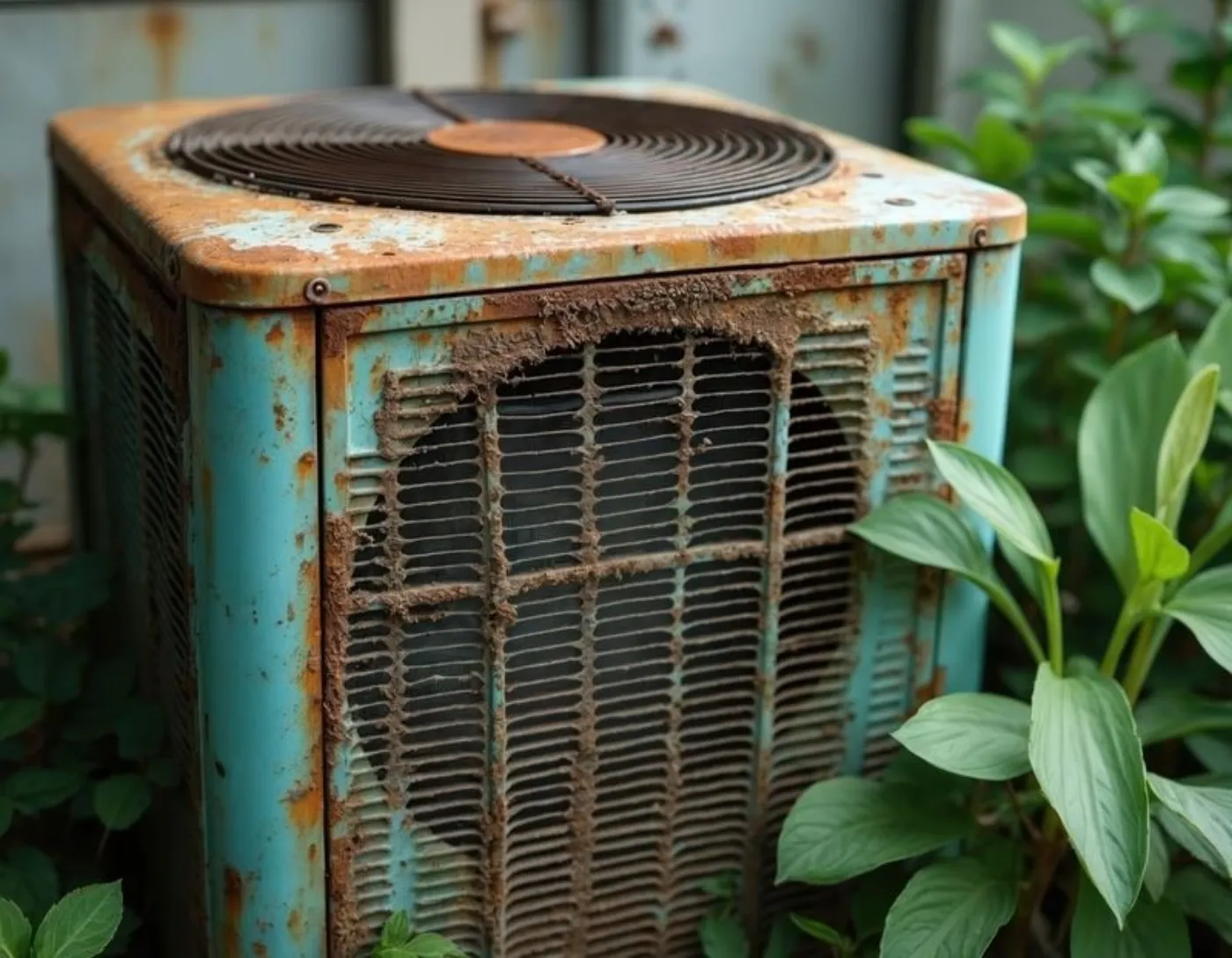
How Aging Systems Drain Energy and Comfort
Your HVAC system is the largest energy consumer in your home. When components age, filters clog, or ducts become unbalanced, efficiency drops dramatically. Systems may short-cycle or fail to reach target temperatures, increasing wear and tear.
How an Energy Audit Helps
A home energy assessment evaluates HVAC performance using:
- Airflow testing to ensure balanced delivery
- Static pressure readings to reveal restrictions
- Thermostat calibration for accurate temperature control
PowerHouse’s Expertise
PowerHouse Home Performance’s technicians specialize in HVAC optimization and replacement. They identify whether tuning, sealing, or upgrading to a high-efficiency heat pump or furnace offers the best long-term value. A properly balanced and maintained system can cut energy use by up to 25% while enhancing indoor comfort.
Air Leaks Around Windows and Doors
The Drafts You Can Feel — and the Ones You Can’t
In Colorado’s extreme temperatures, even tiny air gaps can let conditioned air escape and outdoor air seep in. This not only wastes energy but also invites dust and allergens.
Audit Detection and Results
A blower door test—a core part of any home energy audit—quantifies how much air leaks from your home in cubic feet per minute (CFM).
Common Solutions Include:
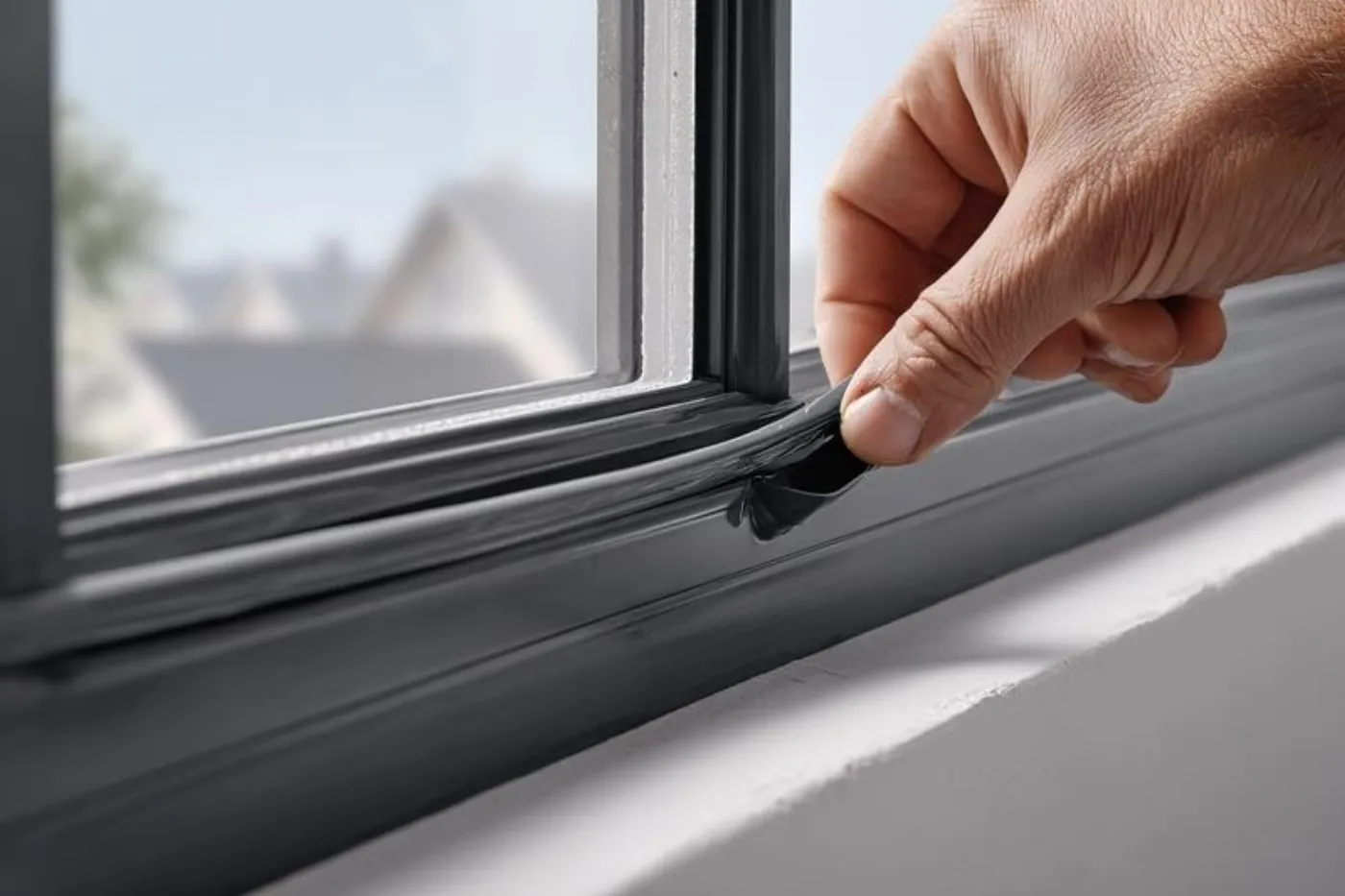
- Weatherstripping around doors and windows
- Caulking trim and frame gaps
- Adding low-emissivity window film
Sealing these leaks improves efficiency and keeps your indoor climate stable all year long.
Outdated Lighting and Appliances
Small Upgrades, Big Energy Wins
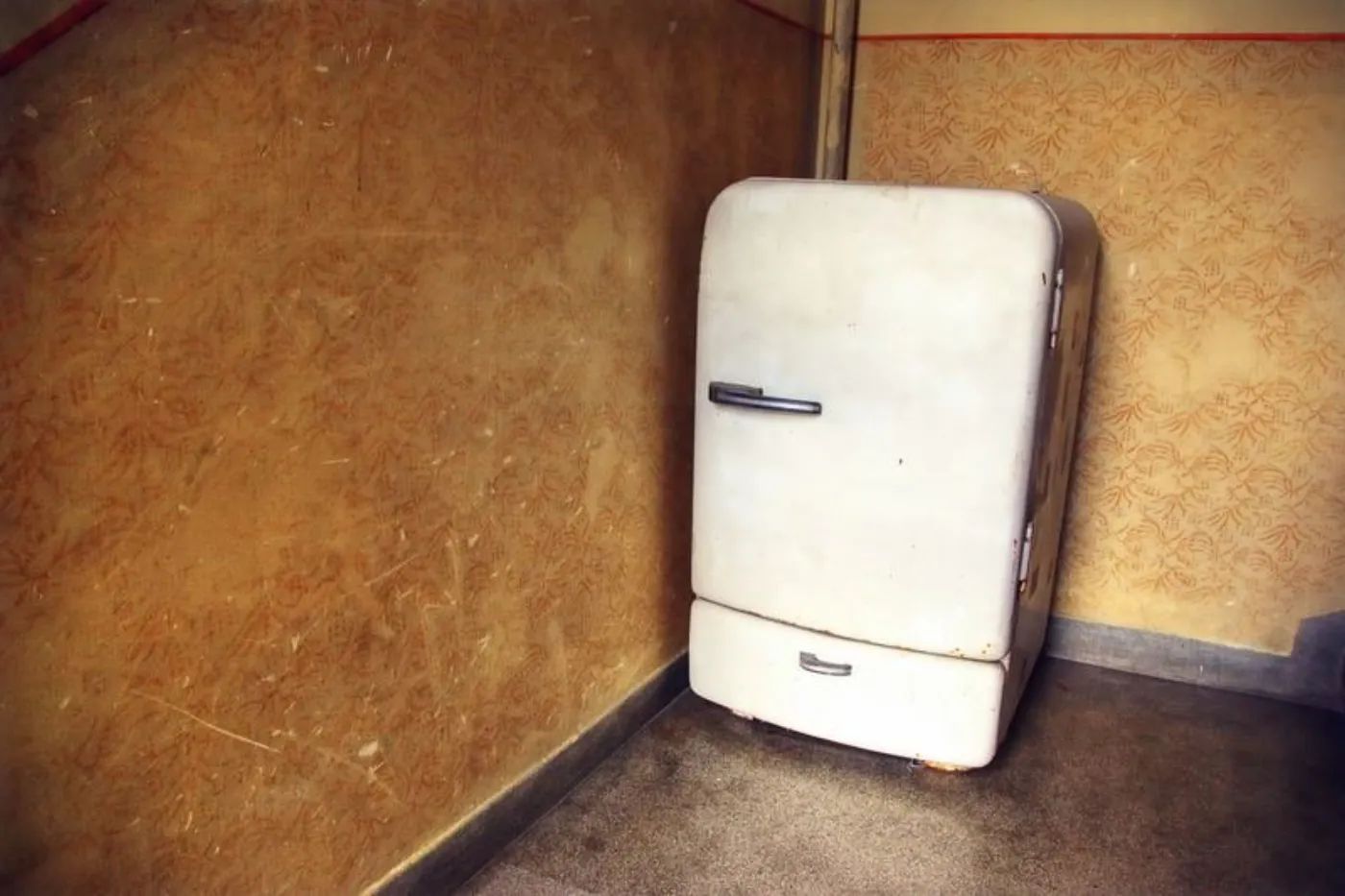
Outdated incandescent bulbs and legacy appliances consume far more power than modern alternatives. Replacing 20 old bulbs with LEDs can save up to $200 annually—and upgrading an old refrigerator or washing machine can reduce usage by 30%.
What the Audit Identifies
A home energy assessment compares your appliances’ wattage and age to ENERGY STAR® standards, providing clear data on potential savings.
Quick Wins:
- Install LED or smart lighting
- Replace aging appliances
- Use programmable or smart thermostats
These upgrades not only save energy but also improve convenience and longevity.
Water Heating Inefficiencies
A Hidden Source of Energy Loss
Water heaters are often overlooked until bills spike or hot water runs out. Over time, sediment buildup, uninsulated pipes, and standby heat loss reduce efficiency.
How an Energy Audit Identifies Issues
During a home energy audit, technicians perform:
- Temperature consistency tests
- Efficiency and age assessments
- Heat loss mapping along water lines
Recommended Improvements
- Install a high-efficiency or heat pump water heater
- Insulate water lines and storage tanks
- Lower thermostat settings to 120°F for safety and savings
These small improvements can lower water-heating costs by 15–25% annually.
Poor Ventilation and Indoor Air Leaks
Balancing Fresh Air and Efficiency
Poorly designed or neglected ventilation can cause hot and cold spots, excess humidity, or stale indoor air. In crawl spaces or basements, it can even lead to mold and uneven pressure zones that force HVAC systems to overwork.
What an Energy Assessment Reveals
Through pressure mapping and airflow testing, a home energy audit identifies whether your ventilation is properly balanced.
Corrective Measures:
- Install or service exhaust fans
- Add fresh-air intakes where needed
- Seal gaps in crawl spaces or attics
Proper ventilation not only boosts comfort but also protects your home’s structure and improves indoor air quality.
Inefficient Windows or Single-Pane Glass
Where Comfort (and Money) Escapes
Single-pane or poorly sealed windows allow significant heat transfer, especially in older Colorado homes. High U-factors and poor solar heat gain coefficients (SHGC) make interiors uncomfortable and HVAC systems work harder.
Audit Detection
Infrared thermal imaging used during a home energy audit highlights temperature differences, revealing exactly where heat escapes or sunlight overheats interiors.
Recommended Solutions:
- Replace with ENERGY STAR® double-pane or low-E windows
- Apply insulating window film
- Add storm windows for cost-effective efficiency gains
Even modest improvements can reduce heating and cooling costs by 10–20%.
Behavioral & Scheduling Waste
Energy Habits That Add Up
Sometimes the biggest energy waste isn’t from equipment—it’s from human behavior. Leaving thermostats running during work hours, heating unused rooms, or ignoring appliance schedules can quietly inflate monthly bills.
Audit Findings and Smart Fixes
A home energy audit may include data logging to analyze how and when energy is used. These insights reveal scheduling inefficiencies and opportunities for automation.
Smart Solutions:
- Programmable or learning thermostats that adjust automatically
- Zoned HVAC control to target active spaces
- Smart-home systems to schedule lighting and appliance use
By pairing behavioral adjustments with smart technology, homeowners can reduce energy waste without sacrificing comfort or convenience.
The Audit Report — Turning Data Into Savings

From Diagnostics to Actionable Insights
A home energy audit isn’t just about identifying problems — it’s about delivering a clear, data-backed plan for improvement. Once your home energy assessment is complete, PowerHouse Home Performance compiles a detailed report that transforms raw diagnostic data into practical next steps. This comprehensive summary outlines exactly where energy is being lost, what upgrades will deliver the biggest return, and how to prioritize improvements for long-term comfort and savings.
What Homeowners Receive in Their Audit Report
Every PowerHouse report is designed to make decision-making simple and transparent. It typically includes:
- Prioritized Recommendations: A clear, ranked list of efficiency upgrades — from simple fixes like weatherstripping to major improvements like attic insulation or HVAC optimization.
- Cost vs. ROI Analysis: Each recommendation is paired with an estimated cost, projected annual savings, and the payback period so homeowners can make informed choices.
- Rebate and Tax Credit Information: PowerHouse identifies available local, state, or federal incentives that can reduce the cost of energy-efficient upgrades — including rebates from Xcel Energy or U.S. Department of Energy programs.
For example, sealing ducts and improving insulation may have an ROI of 12–18 months, while a new high-efficiency heat pump can qualify for utility rebates and the Colorado state heat pump tax credit.
PowerHouse: From Audit to Implementation
Unlike other companies that stop at diagnostics, PowerHouse Home Performance provides a complete solution — from audit insights to hands-on implementation. Their team not only performs the home energy audit but also installs insulation, upgrades HVAC systems, and ensures each fix meets efficiency standards.
By combining expert analysis with real-world improvements, PowerHouse helps homeowners turn energy waste into meaningful savings — often cutting utility costs by 20–30% while creating a more comfortable, sustainable home.
Next up: see how one Colorado household transformed their home after a PowerHouse energy audit.
Case Study — A Colorado Home Before & After
The Challenge: A Drafty 1960s Fort Collins Home
In this real-world example, a Fort Collins homeowner contacted PowerHouse Home Performance after struggling with uneven temperatures and high utility bills. The home, built in the 1960s, had outdated insulation, leaky ducts, and an aging furnace — all common issues uncovered during a home energy audit. Despite keeping the thermostat steady, energy costs had risen more than 20% over two years, and certain rooms remained uncomfortably cold in winter.
During the home energy assessment, PowerHouse’s certified technicians performed a blower door test, infrared scan, and duct pressure analysis. The audit revealed multiple sources of energy loss, including attic air leaks, underinsulated walls, and restricted airflow from a dirty HVAC filter.
The PowerHouse Solution and Results
PowerHouse implemented a series of targeted improvements:
- Air Sealing: Closed gaps around recessed lights, attic penetrations, and rim joists.
- Insulation Upgrades: Increased attic insulation from R-19 to R-60 for optimal performance in Colorado’s climate.
- HVAC Tune-Up: Cleaned ducts, replaced filters, and balanced airflow throughout the home.
Within one year, the household reduced energy use by 25%, achieving an ROI on improvements in under 12 months. The homeowner reported noticeably more consistent temperatures, cleaner indoor air, and fewer drafts — even during subzero cold snaps.
The Takeaway
This case demonstrates how a professional home energy audit can uncover inefficiencies invisible to the naked eye and deliver measurable comfort and cost savings. With PowerHouse Home Performance, energy efficiency isn’t a guessing game — it’s a proven, data-driven transformation.
Conclusion — Power Your Home Smarter
Every home has hidden energy wasters — from leaky ducts and drafty windows to outdated appliances and inefficient HVAC systems. These small inefficiencies quietly drive up monthly bills, strain your heating and cooling equipment, and compromise comfort. The problem is, most of these issues are invisible to the average homeowner. Without the right tools and expertise, it’s impossible to know exactly where energy is being lost or how much those losses are really costing you.
That’s where a home energy audit makes all the difference. A professional home energy assessment doesn’t rely on guesswork — it uses precise diagnostic tools to reveal the truth about your home’s efficiency. Whether it’s pinpointing attic insulation gaps, identifying phantom power drains, or balancing your HVAC airflow, an audit provides clear, actionable insights you can use to make smart, cost-effective improvements. With the right upgrades, homeowners often see double-digit energy savings, improved indoor air quality, and a more comfortable living space year-round.
For Colorado homeowners, PowerHouse Home Performance is the trusted partner for transforming energy waste into long-term value. Their team combines cutting-edge testing technology with decades of experience to deliver real results — not just recommendations. From the first diagnostic test to the final upgrade, PowerHouse ensures every improvement maximizes comfort, efficiency, and sustainability.
Ready to stop wasting energy you’re paying for?
Schedule your professional home energy audit with PowerHouse Home Performance today and start powering your home smarter.