

Radon Testing & Inspection · Denver, CO
Get Peace of Mind with
Radon Testing in Denver
Denver's elevation, soil composition, and wide mix of home styles make it one of the regions most affected by radon gas. Our inspection process pairs a certified radon test with a full evaluation of your foundation, ventilation, and entry points. We do not just measure levels, we look at the bigger picture.


Why Test in Denver
Even if your neighbor's test came back low
Denver County is one of many Colorado areas where the average home has radon levels above the EPA action limit. Radon varies house to house, and without professional testing there is simply no way to know your exposure risk.
High-risk zone
Nearly half of Colorado homes test above 4.0 pCi/L.
Health concerns
Radon exposure is the second leading cause of lung cancer in the U.S.
Denver climate & soil
Freeze-thaw cycles, soil density, and construction styles make radon entry common in local homes.
A family-first approach
We prioritize your long-term safety with actionable results, not scare tactics.
How It Works
Our Denver radon inspection process
Walkthrough Assessment
We inspect common entry points, foundation cracks, sump pumps, and crawl spaces, to determine accurate monitor placement.
Monitor Placement
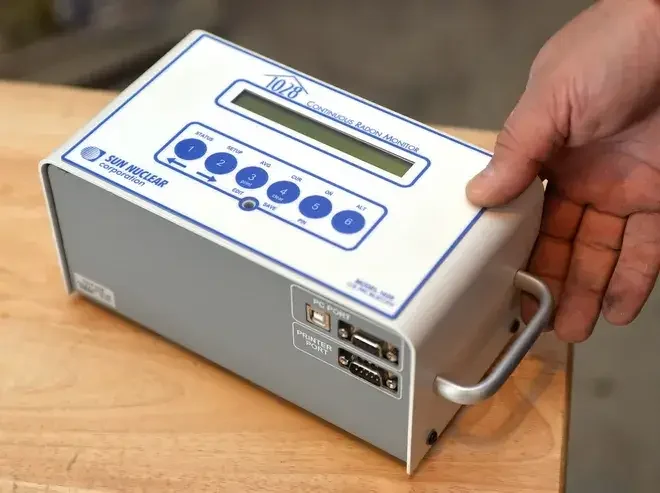
EPA-approved devices installed in the lowest livable level, tracking radon continuously for 48-96 hours.
Data Collection & Analysis
A detailed report of your home’s average levels against the EPA safety threshold.
Results & Recommendations
Findings explained in simple language, with clear mitigation next steps if levels are elevated.
The Good News
Radon problems are fixable. If your test comes back high, see radon mitigation in Denver (usually installed in about a day), or pair it with crawl space encapsulation in Denver to seal the source. Statewide details: radon testing and inspection.
Reviews From Happy Clients
Rated 5.0 on Google
Had a good experience with PowerHouse? A quick review helps the next Colorado homeowner find us.
Leave Us a Google ReviewFAQs
Frequently Asked Questions
How long does radon testing take in Denver?
EPA-approved monitors run continuously for 48-96 hours in your home’s lowest livable level. After the testing period we retrieve the devices, analyze the data, and give you a detailed report comparing your average levels to the EPA threshold.
My neighbor tested low. Does my home still need a test?
Yes. Denver County averages above the EPA action limit, and radon varies house to house even on the same street. Your neighbor’s result says nothing reliable about your home.
When should I schedule a radon inspection?
When buying or selling a home in Denver (many real estate contracts now require it), every 2-3 years as part of regular maintenance, after major renovations, basement finishing, or foundation work, and any time the home has never been tested.
What does the inspection cover beyond the test?
We examine foundation cracks, sump pumps, crawl spaces, ventilation, and existing system performance, the bigger picture that determines both accurate monitor placement and the right fix if levels come back high.
What happens if my levels are elevated?
We sit down with you, explain the findings in plain language, and walk you through mitigation options. As a licensed mitigation provider we can design and install the system ourselves, usually within a day.
Why is Denver such a radon hotspot?
Elevation, uranium-bearing soil composition, freeze-thaw cycles, and Denver’s wide mix of home styles all make radon entry common. Nearly half of Colorado homes test above 4.0 pCi/L.
Is radon actually fixable?
Completely. Professional testing and mitigation reliably bring radon down to safe standards, protecting families for the long term. It is one of the most solvable serious problems a house can have.
Do radon levels change over time?
Yes. Soil conditions shift, homes settle, and renovations open new entry points, which is why retesting every 2-3 years is the standard guidance even after a safe result.
Get Started Today
Know your number. Protect your family.
Radon is invisible, but its effects are real. Schedule certified radon testing in Denver and get clear results with honest next steps, whichever way the numbers land.
970-825-0950