
When HVAC Repair Is Not the Whole Story for Colorado Homes
Calling for HVAC repair in Colorado but still uncomfortable in your home? Learn when a quick fix helps, when it does not, and how a whole-home approach can finally tackle the root causes.
In This Article
- The Problem: Your System Is Running, Your House Is Still Uncomfortable
- The Familiar "I Guess We Call for HVAC Repair Again" Moment
- What HVAC Repair Can Fix (And What It Cannot)
- When It Is Time to Think Beyond a Quick Fix
- What HVAC Repair Looks Like With a Home Performance Mindset
- What to Ask Before Your Next HVAC Repair in Colorado
- Next Steps for Your Colorado Home
The Problem: Your System Is Running, Your House Is Still Uncomfortable
You know the drill. The AC is running, the thermostat claims everything is fine, and yet one bedroom still feels like it is holding an August afternoon hostage. You stand in the hallway vent shuffle, one hand near the supply register, one eye on the thermostat, trying to decide whether it is time to call for HVAC repair again or just accept that "this is how the house is."
If you live in Colorado long enough, you can collect a whole highlight reel of moments like this. Long summer evenings where the upstairs never quite cools off. Winter days when the furnace runs and runs, but that one corner room insists it lives in a different climate zone. At some point the phrase "maybe we just need a bigger system" shows up in the conversation.
Sometimes a straightforward repair really is the answer. Parts wear out. Capacitors fail. Motors get tired. But for a lot of homes searching for HVAC repair Colorado, the system is doing its best in a situation that is stacked against it. The issue is not just the box in the basement, closet, or side yard. It is the way your whole house moves heat and air.
This is where a home performance mindset can save you from playing repair roulette every season.
Let us start with the feeling you actually care about: comfort.
In a typical Colorado home, you might see:
- An upstairs that never cools off, even when the thermostat sits at a perfectly reasonable number.
- A basement that stays cool in summer but feels damp, stale, or "heavy" in winter.
- Rooms on the sunny side of the house that swing between hot and chilly.
- A system that seems to run constantly on the hottest days without really catching up.
None of these automatically mean your HVAC system is broken. They do mean the house and the system are not working together the way they could.
Big insight"The issue is not just the box in the basement, closet, or side yard. It is the way your whole house moves heat and air."
From "When HVAC Repair Is Not the Whole Story for Colorado Homes"
The Familiar "I Guess We Call for HVAC Repair Again" Moment
When things feel off, it is natural to start with the equipment:
- "Maybe the AC is low on refrigerant."
- "Maybe the furnace just needs a tune-up."
- "Maybe there is something wrong with the thermostat."
Those are not bad questions. A good technician should absolutely check those basics.
But if you find yourself calling for HVAC repair every year with the same comfort complaints, it is a sign the system might be doing exactly what it was designed to do, and the problem lives in how your home holds, loses, and moves heat and air.
Why Comfort Problems Keep Coming Back in Colorado Homes
Colorado homes have a few things working against them:
- Big temperature swings. You can get cool nights, hot afternoons, and surprise storms in the same week.
- Intense sun that punishes south and west facing rooms.
- Mixed-age construction where additions, finished basements, and bonus rooms did not always get matching insulation or ducts.
Layer on ducts that run through hot attics or unfinished basements, thin or patchy insulation, and air leaks in all the usual suspects, attic hatches, can lights, rim joists, and it is easy to see how a perfectly healthy AC can still struggle to keep your home comfortable.
That does not mean HVAC repair is pointless. It means repair is one part of a bigger story.
What HVAC Repair Can Fix (And What It Cannot)
HVAC work tends to fall into two buckets: things that live inside the "box" and things that live in the rest of your home.
The "Box" Stuff: Parts, Refrigerant, and Maintenance
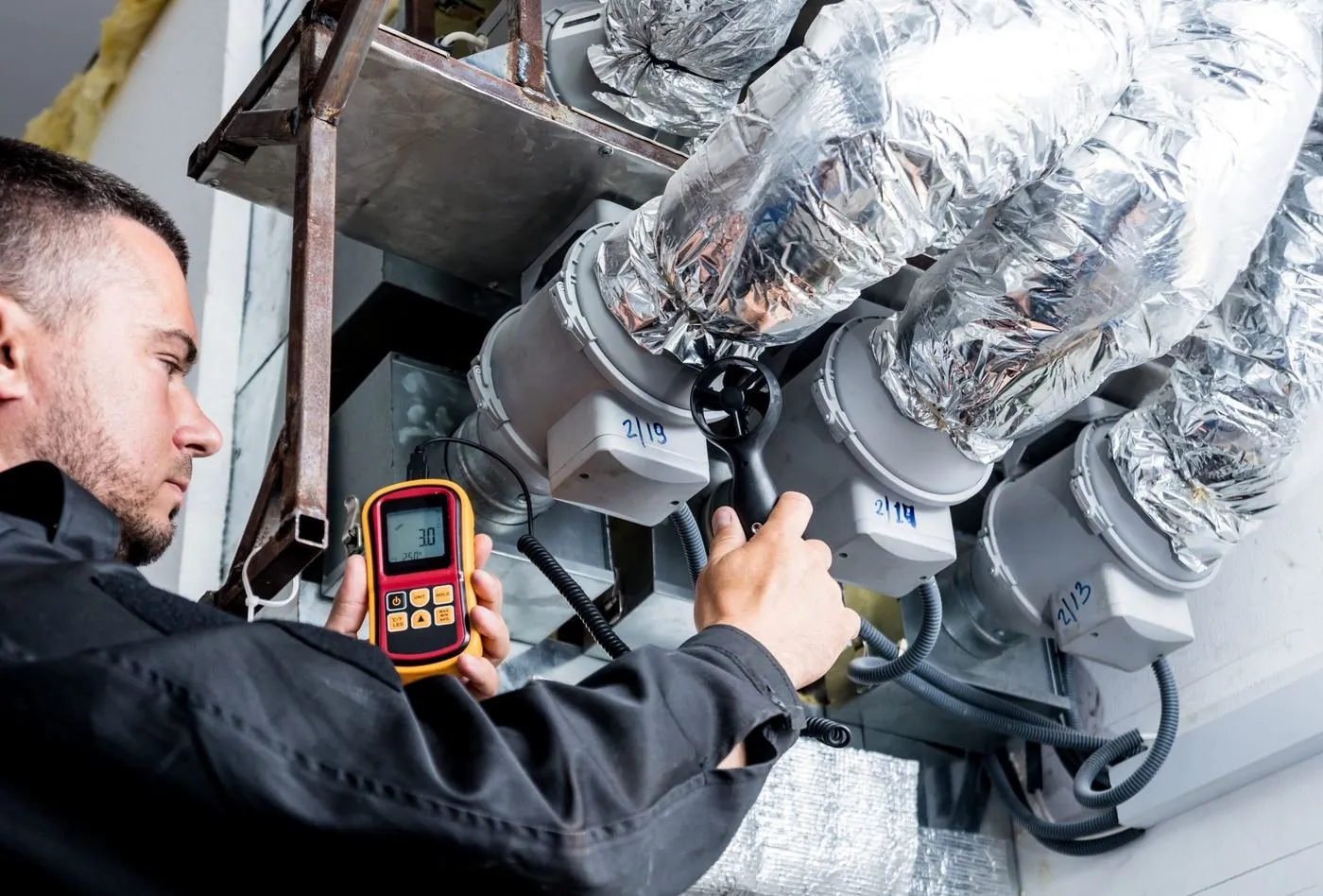
When homeowners think about HVAC repair Colorado, this is usually what comes to mind:
- Replacing failed parts like capacitors, contactors, and motors.
- Addressing refrigerant leaks or charge problems.
- Cleaning coils and components so the system can move heat efficiently.
- Fixing electrical issues that keep the system from turning on or staying on.
These are important tasks. If a critical part has failed, no amount of insulation or duct sealing will make the system run.
Regular maintenance also matters. A system coated in dust, pet hair, and yard debris is not going to perform the way the manufacturer designed it.
What these fixes do not do on their own is change:
- How much heat pours into a west-facing bonus room every afternoon.
- How much cold or hot air is lost in leaky ducts before it ever reaches the rooms you care about.
- How uneven insulation and air leaks make some parts of your home work much harder than others.
That is where the "house as a system" side comes in.
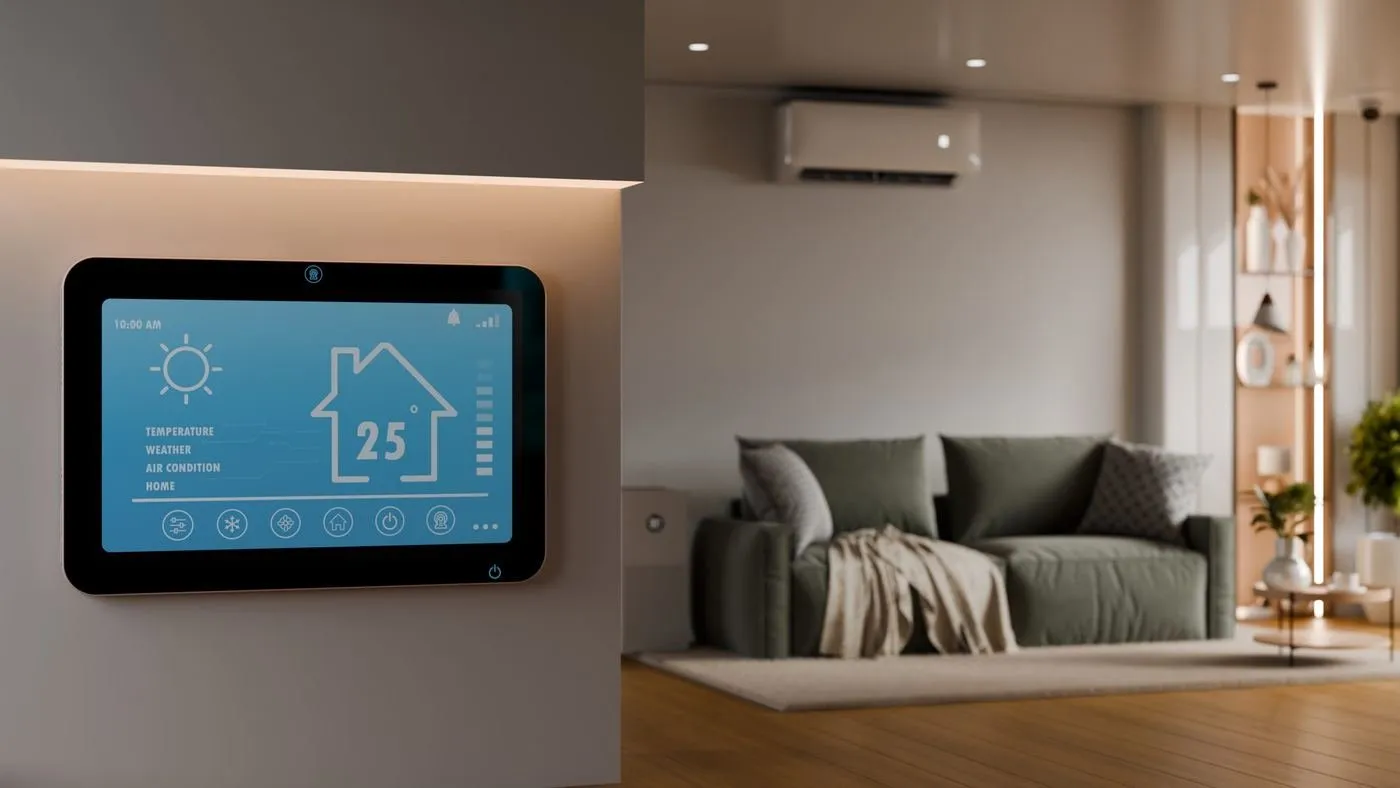
The "House as a System" Stuff: Ducts, Insulation, and Airflow
PowerHouse talks a lot about seeing the whole picture, and HVAC is a big reason why.
From a home performance perspective, your comfort depends on:
- Duct design and sealing: Undersized or leaky ducts can starve some rooms of air and over-feed others.
- Insulation and air sealing: Gaps in insulation and air leaks let heat move where it should not, forcing your system to work harder just to keep up.
- Pressure and airflow balance: Closed doors, blocked returns, and imbalanced supply can create pressure differences that move air in the wrong direction.
If those pieces are off, you can repair or even replace equipment and still live with rooms that never quite behave.
When It Is Time to Think Beyond a Quick Fix
Not every comfort problem requires a full-blown home performance project. Sometimes a simple repair is exactly what is needed. The trick is knowing when it is worth stepping back and asking bigger questions.
Signs Your Home Has a Performance Problem, Not Just an HVAC Problem
Here are a few clues your home may need more than a quick repair:
- You keep fixing the same problem, and the same rooms still misbehave.
- Some floors or rooms are always several degrees off from the thermostat, no matter how the system is set.
- You hear vents blasting air in some areas while others barely whisper.
- Your energy bills feel high for the size of your home, especially in extreme weather, even after tune-ups.
- You have visible issues like missing attic insulation, drafty around windows and outlets, or uncomfortable bonus rooms over garages.
If more than one of these sounds familiar, the house is sending you a message. It is not just the equipment.
How a Home Energy Audit and Whole-Home Diagnostics Help
This is where a home energy audit earns its keep.
Instead of guessing, a home energy assessment in Colorado might include:
- A blower door test to see how leaky the home is and where air is escaping.
- Thermal imaging to spot missing insulation or hot and cold spots in walls and ceilings.
- Duct testing to find leaks that might be wasting cooled or heated air.
- Safety checks around combustion appliances and ventilation.
The goal is not to talk you into every possible upgrade. It is to build a clear, prioritized picture of where your comfort problems are coming from so HVAC repair, insulation, and air sealing can work together instead of fighting each other.
How PowerHouse approaches repair 1Listen to the symptoms, not just the equipment
PowerHouse technicians start by paying attention to which rooms feel worst, when the discomfort shows up, how the home has been updated, and how ducts, registers, and returns are laid out. The goal is to see the whole picture instead of stopping at "the AC runs" or "the furnace lights."
2Test and measure what the house is doing
A home energy assessment can include blower door testing, thermal imaging, duct testing, and safety checks around combustion and ventilation. Those measurements show where comfort and efficiency are really breaking down instead of guessing at causes.
3Prioritize fixes so repair and upgrades work together
The final plan lines up immediate repairs, targeted duct sealing or adjustments, and insulation and air sealing improvements in an order that fits your home and budget. The point is not a magic-bullet promise, it is a clear, practical path away from "repair, hope, repeat."
What HVAC Repair Looks Like With a Home Performance Mindset
So what changes when you look at HVAC repair through a home performance lens.
Step 1: Listen to the Symptoms (And Not Just the Equipment)
When PowerHouse technicians show up to talk about HVAC repair Colorado homeowners need, they pay attention to:
- Which rooms feel worst, and at what times of day.
- How the house has been updated or remodeled over the years.
- Where the ductwork runs and how registers and returns are placed.
- Whether doors, filters, or furniture might be working against airflow.
Yes, the system gets checked. Parts get tested. But the conversation does not stop at "the AC runs" or "the furnace lights."
Step 2: Test, Measure, and Prioritize Fixes
From there, diagnostics help turn guesswork into a plan. That plan might include:
- Immediate repairs to get the system healthy and safe.
- Targeted duct sealing or adjustments where tests show major losses.
- Insulation and air sealing improvements in attics, crawl spaces, or knee walls that are clearly undermining comfort.
- Next-step upgrades (like better controls or equipment changes) when they make sense for your home and budget.
Notice what is missing from that list: promises of exact savings or magic-bullet fixes. The point is to line up changes in an order that makes sense for your home, not to chase every possible project at once.
Signs it is not just the equipmentThe same rooms misbehave, season after season
You keep fixing or tuning the system, but certain rooms are always several degrees off from the thermostat or never quite feel right.
Airflow feels uneven from room to room
Some vents blast air while others barely whisper, or closing doors and filters seem to change how air moves through the house.
Comfort problems line up with obvious shell issues
You see missing attic insulation, drafty areas around outlets or can lights, or bonus rooms over garages that are always too hot or cold.
Energy bills feel high for the size of the home
Bills stay stubborn even after maintenance visits, especially during Colorado's temperature swings and extreme weather.
What to Ask Before Your Next HVAC Repair in Colorado
If you are about to call for HVAC repair, a few simple questions can help you avoid another "this did not really fix it" moment.
Questions for Any Contractor About Comfort, Ducts, and Insulation
When you are on the phone or in a visit, consider asking:
- Will you look at how the whole home is behaving, not just the equipment.
- Can you tell me if my ducts or airflow might be part of the problem.
- Do you ever recommend insulation or air sealing changes when you see them affecting comfort.
- How will you help me understand what is urgent, what is optional, and what can wait.
You are listening for answers that sound like testing, explaining, and prioritizing, not just "we will swap the part and see."
When to Call a Home Performance Contractor Like PowerHouse
If you have already been down the road of quick repairs without real comfort improvements, it may be time to bring in a team that works on the house as a system.
A home performance contractor like PowerHouse can:
- Handle HVAC repair and tune-ups.
- Perform home energy audits and diagnostics.
- Design insulation and air sealing projects that actually support your system instead of working against it.
You still get straightforward answers about what is happening with your AC or furnace. You just get them in the context of your whole home, not as a single piece of equipment floating in space.
Next Steps for Your Colorado Home
If you are searching for HVAC repair Colorado because your home is uncomfortable, you are not alone. Plenty of homeowners keep chasing fixes at the equipment level without realizing the home itself is part of the story.
The good news is that you do not have to choose between endless repair calls and a complete mystery remodel. You can start with testing, clear explanations, and a plan that respects your budget and your priorities.
If you are ready to get out of the "repair, hope, repeat" cycle, consider scheduling a home energy audit or HVAC evaluation with a whole-home mindset. Contact PowerHouse Home Performance to see the whole picture, equipment, ducts, insulation, and airflow, so you can move from guesswork to clear, practical next steps for comfort, safety, and efficiency.
Next steps for your Colorado homeMove from guesswork to clear, practical next steps
If you are searching for HVAC repair Colorado because your home is uncomfortable, you are not alone. Plenty of homeowners keep chasing fixes at the equipment level without realizing the home itself is part of the story.
The good news is that you do not have to choose between endless repair calls and a complete mystery remodel. You can start with testing, clear explanations, and a plan that respects your budget and your priorities.
If you are ready to get out of the "repair, hope, repeat" cycle, contact PowerHouse Home Performance to see the whole picture, equipment, ducts, insulation, and airflow, so you can move from guesswork to clear, practical next steps for comfort, safety, and efficiency.