
Insulation Removal
When The Old Insulation
Has To Come Out
Most attics do not need their insulation removed, and we say so. But rodents, water, smoke, mold, and suspect vermiculite are reasons it has to go, because new insulation blown over any of them seals the problem into your house. Here is how we decide, how removal works, and what goes back in.





When It Has To Go
Five reasons insulation comes out, and one reason it does not
The honest default is to leave old insulation alone, air seal under it, and top it up. These are the exceptions.
Rodent contamination
Droppings, urine, nests, and tunnels mean the insulation is holding the contamination. It comes out, the deck is cleaned and treated, the entry points are sealed, then new insulation goes in.
Water damage
A roof leak, an ice dam, or a fan venting into the attic soaks cellulose flat. Wet insulation does not recover its loft and holds moisture against the framing. The wet section is removed after the cause is fixed.
Smoke and fire
Loose-fill insulation absorbs smoke odor and particulate permanently. If the attic still smells months after a fire or a heavy wildfire smoke season, this is why.
Mold
Usually the result of one of the above plus a warm, damp attic. The insulation is removed, the source of moisture is corrected, and the deck is treated before anything new goes in.
Suspect vermiculite
A special case, below. We do not remove it and we do not cover it. We identify it and refer you to a licensed asbestos contractor.
Not a reason: it is old
Dry, clean, settled insulation is still insulation. Age alone never justifies the cost of removal. We seal the ceiling and blow new material on top.
Vermiculite
If your attic has gray-brown pebbles, stop
Vermiculite is a loose-fill insulation that looks like small gray-brown or silver-gold pebbles, and it was common in attics insulated before 1990. According to the U.S. Environmental Protection Agency, a mine near Libby, Montana supplied more than 70% of all vermiculite sold in the United States from 1919 to 1990, and the Libby vermiculite was contaminated with asbestos. EPA’s guidance is to assume vermiculite insulation contains asbestos and not to disturb it.
What that means on our end: we do not vacuum it, blow over it, or walk through it. We photograph it, stop the job, and refer you to a licensed asbestos abatement contractor, which is exactly what EPA tells homeowners to do if the material must be removed for a renovation. EPA also says not to store boxes in an attic with vermiculite and not to let children play there. Once an abatement firm has cleared the attic, we come back and insulate it to the current target.
How It Works
How removal works
Inspect and decide
We look at the insulation, the deck, and the cause: rodents, water, smoke, mold, or vermiculite. If removal is not warranted, we tell you and quote a top-up instead.
Vacuum out
A high-powered insulation vacuum stays outside; a hose runs to the attic and the material goes into sealed bags at the truck. Nothing is carried through the house. Crew in respirators and suits.
Clean and fix the cause
HEPA vacuum the deck, treat for rodents or mold, seal entry points, correct the leak or the fan venting into the attic. The cause gets fixed or the problem comes back.
Seal and reinsulate
With the deck bare, every top plate and penetration gets sealed, baffles and dams go in, and new insulation is blown to the climate-zone target. You get the signed receipt with coverage, thickness, and R-value.
The Upside
A bare deck is the best moment an attic ever has
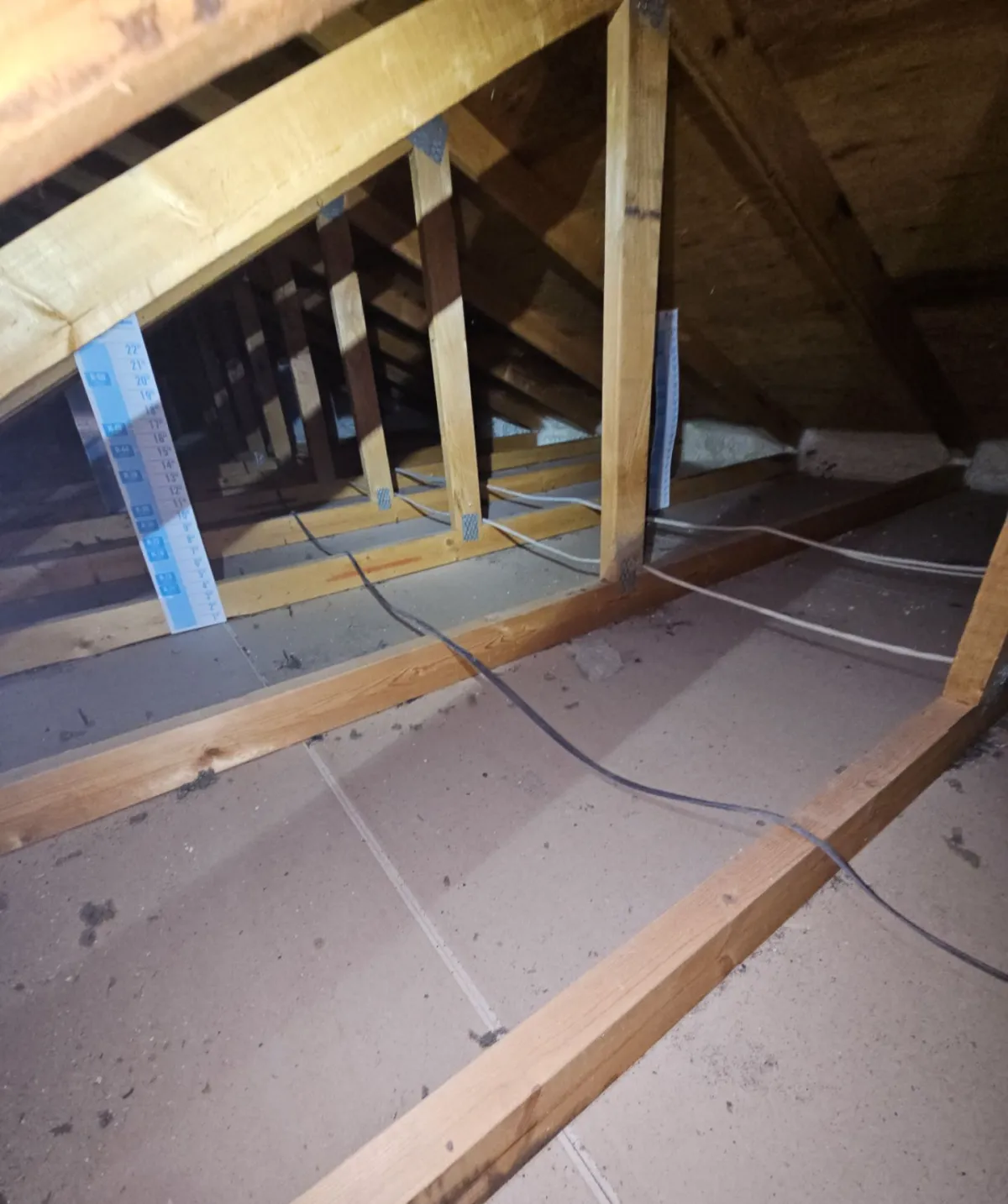
Removal is nobody’s first choice, but it gives us something no top-up ever gets: full access to the ceiling. Every top plate, every can light, every plumbing stack and wire hole is right there to seal, and the new insulation goes in as one clean, continuous layer at the depth the climate zone calls for. Homes that have been through a removal usually end up with the best-performing attic on the block.
Where We Do This Work
Insulation removal across the Front Range
Rodent cleanouts, water-damage removals, and post-fire attics across the Front Range, with the vacuum truck staged outside.
Whole-Home Approach
What goes back in, and what goes with it
Removal is the start of an attic job, not the end. Air sealing and insulation to depth follow, and the rest of the envelope is next.
Reviews From Happy Clients
Rated 5.0 on Google
Had a good experience with PowerHouse? A quick review helps the next Colorado homeowner find us.
Leave Us a Google ReviewFAQs
Insulation removal questions, answered
Does old attic insulation have to come out before adding new?
Usually no. Dry, clean insulation that has simply settled stays in place and gets topped up after the ceiling is air sealed. Removal is for a reason: rodents, water, smoke, mold, or suspect vermiculite. If there is no reason, we do not sell it.
How do you know if rodents have been in the attic?
Droppings, urine staining, tunnels through the insulation, and a smell that gets stronger on warm days. Once nesting is established the insulation holds the contamination, and blowing new material over it seals the problem into the house. It comes out, the deck is cleaned and treated, the entry points are sealed, and then new insulation goes in.
What about wet insulation?
Cellulose that has been soaked, from a roof leak, an ice dam, or a bathroom fan venting into the attic, loses its loft and can hold moisture against the framing. We remove the wet section, find and fix what wet it, let the deck dry, and replace. The cause matters more than the cleanup.
What is vermiculite and why is it a special case?
Vermiculite is a pebbly, gray-brown or silver-gold loose-fill insulation common in attics built or insulated before 1990. EPA says a mine near Libby, Montana supplied more than 70% of the vermiculite sold in the United States from 1919 to 1990, and that vermiculite was contaminated with asbestos. EPA’s advice is to assume it contains asbestos and not disturb it.
Can PowerHouse remove vermiculite?
We do not remove suspect vermiculite ourselves and we will not blow insulation over it. EPA says to leave it undisturbed and to hire a trained asbestos contractor if it must be removed. We identify it, stop the job, and refer you to a licensed asbestos abatement firm. Once the attic is cleared, we insulate it properly.
How is insulation removed?
With a high-powered insulation vacuum staged outside the house. The hose runs to the attic, the material goes into sealed bags at the truck, and nothing is carried through the living space. Technicians wear respirators and suits, and the attic is cleaned and HEPA-vacuumed before anything new goes in.
What goes back in?
After removal the attic is a blank slate, which is the best moment an attic ever has. We air seal every top plate, penetration, and fixture, install baffles and dams, and blow new insulation to the ENERGY STAR target for our climate zone, R60 for an attic starting from nothing.
Does smoke damage really require removal?
After a house fire or a serious wildfire smoke event, loose-fill insulation absorbs odor and particulate that no amount of airing out removes. If the attic smells like smoke months later, the insulation is why. Removal is the only fix that works.
How long does removal take?
A typical attic is one day to vacuum and clean, and the new insulation can usually go in the next day once the deck is dry and sealed. Larger attics or heavy contamination run longer, and we tell you before we start.
Do rebates cover removal?
Rebate programs pay for the new insulation and air sealing, not for the removal. Efficiency Works and Xcel rebates still apply to what goes back in, and we file them.
Get Started Today
Not sure whether it has to come out?
Send a photo or book a look. If removal is not warranted we will say so and quote the top-up instead. If it is, you will know why, what it costs, and what the attic looks like when we are done.
970-594-8280