
Ice Dam Prevention
Ice Dams Start
In Your Attic
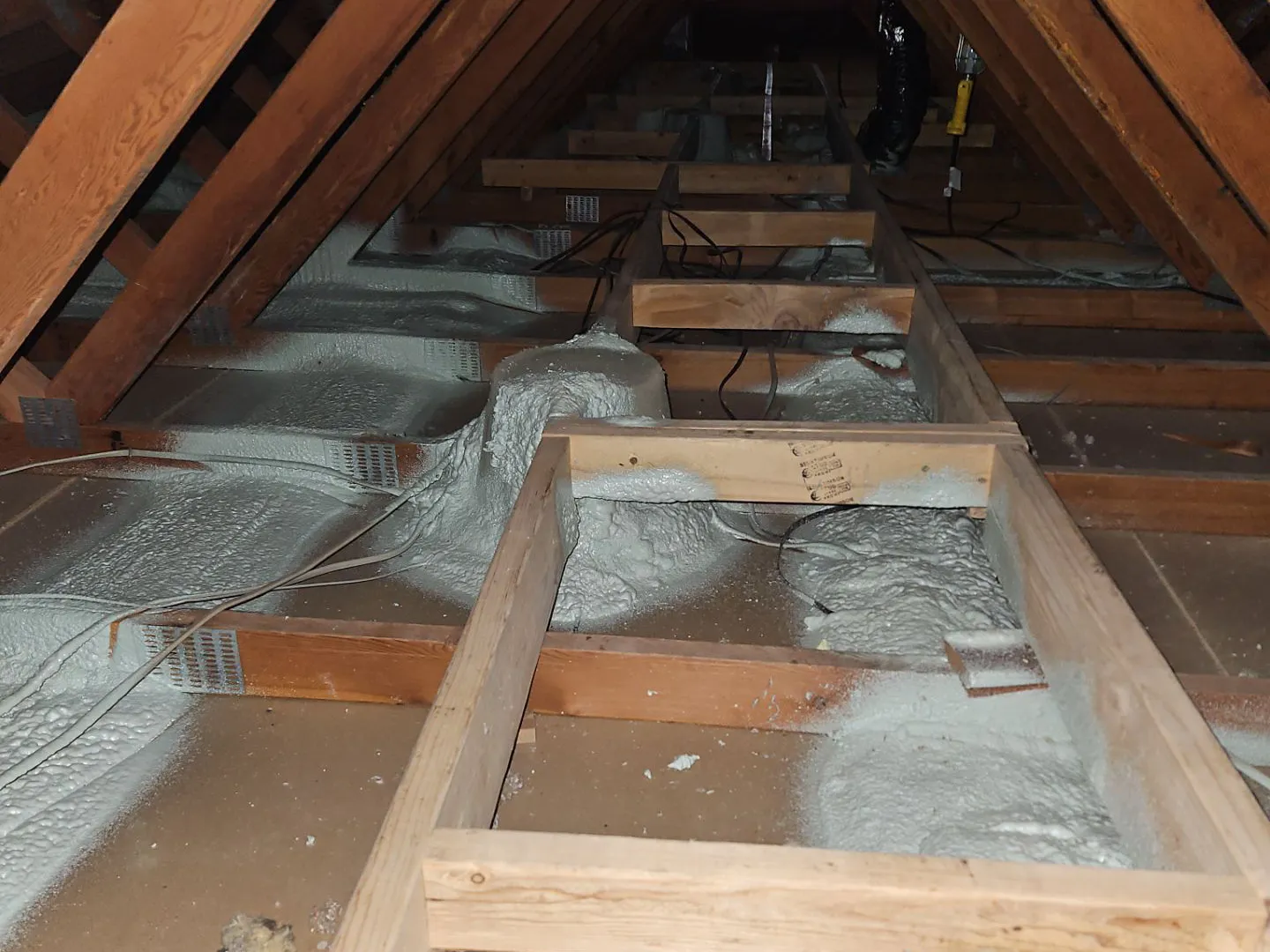
The ridge of ice at your eave is the end of a chain that starts at a leaky ceiling. Warm house air rises into the attic, warms the roof deck, melts the snow above it, and the meltwater refreezes where the roof is still cold. Heat cables and roof rakes fight the ice. We fix the heat.





The Mechanism
A roof that is warm on top and cold at the edge
University of Minnesota Extension, which has studied ice dams longer than anyone, describes the conditions plainly: there has to be snow on the roof, and the higher portions of the roof surface have to be above 32 degrees while the lower portions are below it. Snow melts on the warm section, water runs down to the cold eave, and it freezes there. Every afternoon of melt adds a layer, and the dam grows until water backs up behind it and under the shingles.
The warm section of roof got warm from below. Some heat conducts through a thin attic floor, but the Extension notes that in many homes air leakage from the house into the attic is the major mode of heat transfer that leads to ice dams. Every open top plate, recessed light, bath fan, and attic hatch is a vent delivering room-temperature air to the underside of the roof deck. That is why one house on a street grows dams and the next one does not: the roofs are the same, the ceilings are not.
Why Here
The Front Range version of the problem
Ice dams are usually filed under Minnesota and Vermont. Northern Colorado has its own recipe, and it runs every winter.
Sun on the upper roof, shade on the eaves
A clear afternoon at 5,000 feet puts intense sun on a snow-covered roof. The upper slopes melt; the north-facing eaves and anything under a tree stay frozen. The house adds its own heat underneath and the cycle repeats daily after every storm.
Big day-night swings
Thirty-degree swings between afternoon and night mean melt every day and a hard freeze every night, the exact rhythm that builds a dam layer by layer.
Upslope storms that dump wet snow
The heavy spring storms that come up against the foothills leave a foot of wet snow that sits on roofs for a week of sunny days. Those weeks are when the calls come in.
Leaky ceilings in 1960s to 2000s homes
The housing that makes up most of Fort Collins, Loveland, Longmont, and the metro was built before anyone sealed a ceiling. Top plates, can lights, and attic hatches are open to the attic in most of them.
Mountain homes
Estes Park and the canyon communities get the Minnesota version outright: deep snow, long cold, and cabins with cathedral ceilings that have no attic to seal from. These need a scoped plan, not a quick fix.
How It Works
How we stop ice dams for good
Find the heat paths
A blower door depressurizes the house and a thermal camera shows every warm plume rising into the attic. After a snow, the roof is its own map: bare streaks over a white roof sit right above the leaks.
Make the ceiling airtight
The Extension’s first instruction, and ours: seal top plates, penetrations, can lights, the hatch, and reroute any bath or dryer fan that dumps into the attic. Warm air can no longer reach the roof deck.
Insulate to depth
With the ceiling sealed, insulation does its real job: cutting the heat that conducts through. We blow the attic to the ENERGY STAR target for our climate zone, with baffles at every eave so the insulation never blocks the vents.
Keep the attic breathing
Open soffit vents and a clear path to the ridge let whatever heat still reaches the attic leave, so the roof deck stays at outdoor temperature from ridge to eave. We retest with the blower door and give you the before and after numbers.
What Does Not Work
The fixes that treat the ice instead of the heat
Heat cables
They melt escape channels through the dam. They do not prevent it, they draw power all winter, and the roof is still warm from below. A stopgap for a roof that cannot be fixed from inside, not a plan.
Chipping the ice
Damages shingles, gutters, and people. The dam grows back within days because the cause is untouched.
Roof raking
Removes the snow, which does remove the raw material. It is also cold, dangerous, every-storm work. Do it to prevent damage this week; fix the attic so you can stop.
More attic insulation over a leaky ceiling
Helps a little and can make a dam worse by trapping the warm air leaks under a blanket and keeping the attic damp. Sealing comes first, always.
A new roof
A new roof over a warm attic grows the same dam. Ice and water shield under the shingles limits the damage; it does not stop the ice.
The Bonus
The ice dam fix is the energy fix
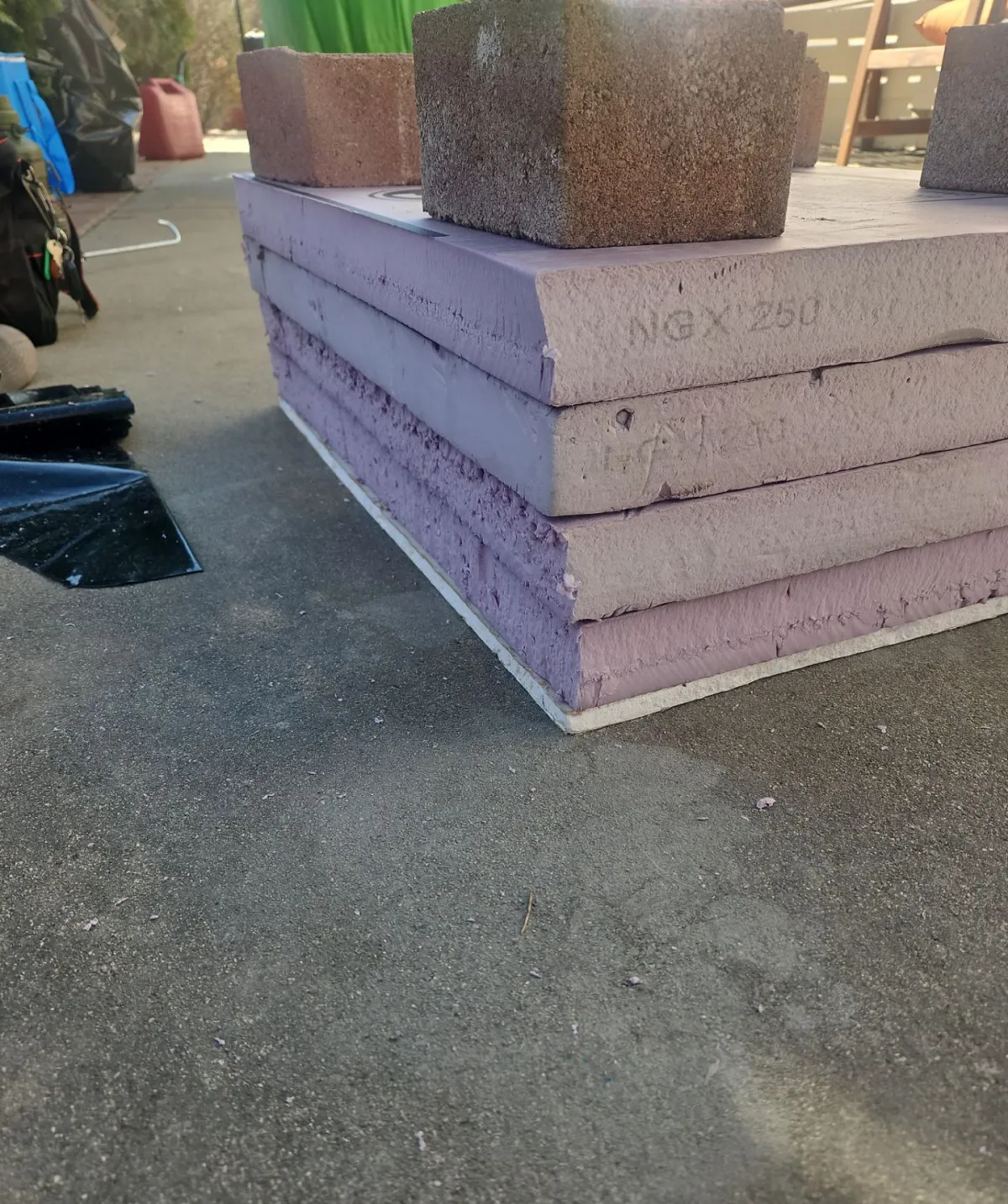
Everything that stops an ice dam, a sealed ceiling, a full-depth attic, and a ventilated roof, is the same work that cuts heating bills and evens out upstairs temperatures. You are not buying an ice dam job; you are buying the attic upgrade the house needed anyway, and the dams stop as a side effect. Efficiency Works and Xcel rebate the air sealing and the insulation, and we file them.
Where We Do This Work
Ice dam prevention across the Front Range
Sunny-afternoon dams on the plains, deep-snow dams in the mountains, and the same attic fix for both.
Whole-Home Approach
The work that makes a roof stay cold
Air sealing is step one. The attic, the audit that finds the leaks, and the rest of the envelope follow.
Reviews From Happy Clients
Rated 5.0 on Google
Had a good experience with PowerHouse? A quick review helps the next Colorado homeowner find us.
Leave Us a Google ReviewFAQs
Ice dam questions, answered
What actually causes an ice dam?
A roof that is warm at the top and cold at the eaves. University of Minnesota Extension puts it precisely: for an ice dam to form there must be snow on the roof, and the higher parts of the roof surface must be above 32 degrees while the lower parts are below. Snow melts on the warm upper roof, runs down, and refreezes at the cold eave. The heat warming the upper roof came out of your house.
Why does my house get them and my neighbor’s does not?
Because your attic is warmer. The Minnesota Extension notes that in many homes air leakage from the house into the attic is the major way heat reaches the roof. Top plates, recessed lights, the attic hatch, and bath fans venting into the attic all deliver warm house air straight to the underside of the roof deck. Your neighbor’s ceiling is tighter, or the attic is insulated to depth, or both.
Will heat cables fix it?
They melt channels through the dam so water has a path off the roof. They do not stop the dam forming, they use electricity all winter, and they do nothing about the heat leaving your house. We treat them as a stopgap for a roof that cannot be fixed from inside, not as a solution.
What is the permanent fix?
The same fix the Extension recommends: make the ceiling airtight first so warm house air cannot reach the attic, then add insulation to cut the heat that conducts through, and keep the attic ventilated so what heat does get up there leaves. A roof that stays uniformly cold cannot grow a dam.
Does roof raking help?
Pulling snow off the lower roof removes the raw material, and it can prevent damage in a bad storm. It is also cold, risky work every snowfall. It is what you do while you wait to fix the attic, not instead of fixing it.
Do Front Range homes really get ice dams? It is sunny here.
Yes, and the sun is part of why. A warm afternoon on a snow-covered roof melts the upper roof, and the eaves are still in shade and below freezing by late afternoon. Add a leaky ceiling and the pattern repeats every clear day after a storm. Homes in Fort Collins, Longmont, Boulder, and up in Estes Park see it every winter.
What damage does an ice dam do?
Water backed up behind the dam finds its way under the shingles. The Extension describes it flowing into the attic, where it can run into exterior walls or through the ceiling insulation. That means wet insulation, stained ceilings, peeling paint, and in time, mold and rotted sheathing.
How do you find where the heat is getting into my attic?
A blower door test depressurizes the house and a thermal camera shows every warm plume rising into the attic, in minutes. On a snowy day the roof itself is the map: bare streaks over a snow-covered roof mark the leaks underneath. We photograph both for you.
What about a cathedral ceiling or a finished attic?
Those are the hardest cases because there is no open attic to seal from. Knee walls, slopes, and the flat ceiling section each need their own air barrier and insulation, and sometimes spray foam at the roof deck is the only way to make the roof uniformly cold. We scope it before we promise anything.
Can this be done before this winter?
Usually. Air sealing and an attic top-up are a one- or two-day job in most homes, and fall is the right time: the attic is cool enough to work in and the fix is in place before the first storm.
Get Started Today
Fix the attic before the first storm
A blower door test and a thermal scan show exactly where your roof is being heated from below. Free quote, done in a day or two, in place before the snow.
970-594-8280