
The Hidden Space Below Your Home May Be Affecting the Air Above It
Most homeowners do not spend much time thinking about their crawl space. It sits out of sight, usually ignored until something starts to feel off. Maybe the floors feel damp, the air smells stale, or the house just never feels quite as fresh as it should. Then the bigger question shows up: if the crawl space is affecting comfort and air quality, could it also be affecting radon levels?
That question matters, especially in Colorado. Colorado State University Extension notes that homes in every county in Colorado have the potential for radon levels above the EPA’s recommended action level, and all Colorado counties are designated Zone 1 for radon potential. In other words, this is not some rare edge case hiding in one unlucky neighborhood. It is a statewide concern that deserves more attention than most crawl spaces ever get.
The short answer is yes, crawl space encapsulation can help reduce radon in some homes. The more honest answer is that it depends on how radon is entering the house, how the crawl space is built, and whether testing shows a measurable problem to begin with. That is where a balanced, whole-home approach matters. We do not look at a crawl space as dead space under the floor. We look at it as part of the home’s air, moisture, and performance system.
How Radon Moves From the Ground Into Your Home
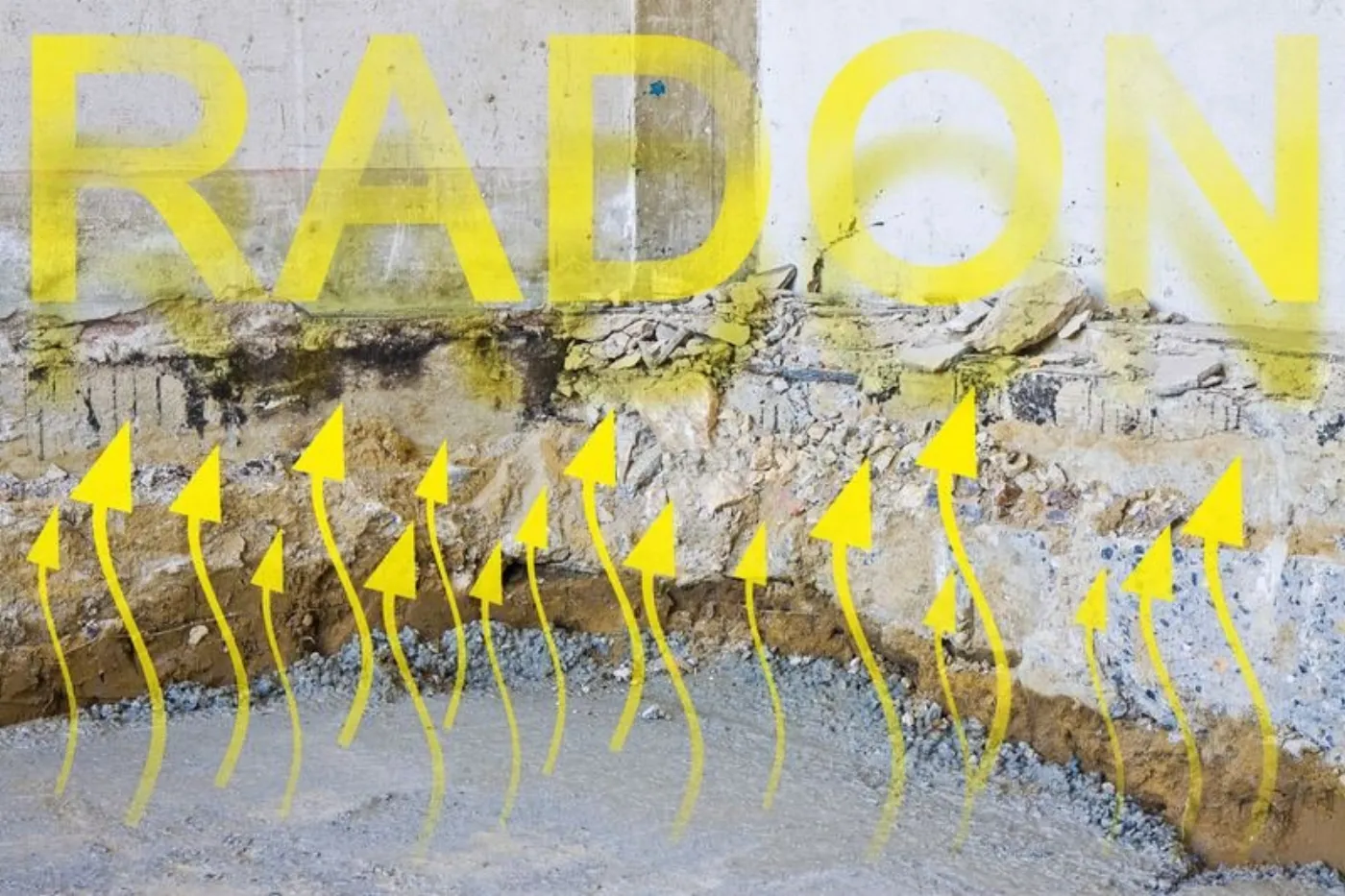
Radon starts in the soil, not in the house. It is a naturally occurring radioactive gas released from rocks, soil, and water, and it can move upward into buildings where it becomes trapped indoors. The CDC explains that radon is odorless and invisible, which is part of what makes it so frustrating. It does not announce itself with a warning smell or dramatic stain on the wall. It just slips in quietly and builds up over time.
A crawl space can give radon an easier path because it sits right at the boundary between the home and the ground below. If that area has exposed earth, gaps around penetrations, loose seams, or weak sealing, soil gases have more opportunities to move into the space and then into the living areas above. What looks like a harmless unfinished area can actually become a transfer zone between the earth and the rest of the house.
- Exposed soil can make it easier for radon to enter the crawl space environment.
- Gaps around pipes, wiring, and framing can create entry points for soil gases.
- Weak sealing between the crawl space and the living space above can allow air movement upward.
That is why crawl spaces matter so much in the radon conversation. They are not just structural leftovers holding up the floor. They are part of the house’s overall air and moisture system. When that lower zone is open and uncontrolled, the home is more vulnerable to what is happening below it. Go figure, the place no one wants to crawl into can end up affecting the air everyone breathes.
So, Does Crawl Space Encapsulation Reduce Radon? Sometimes, Yes
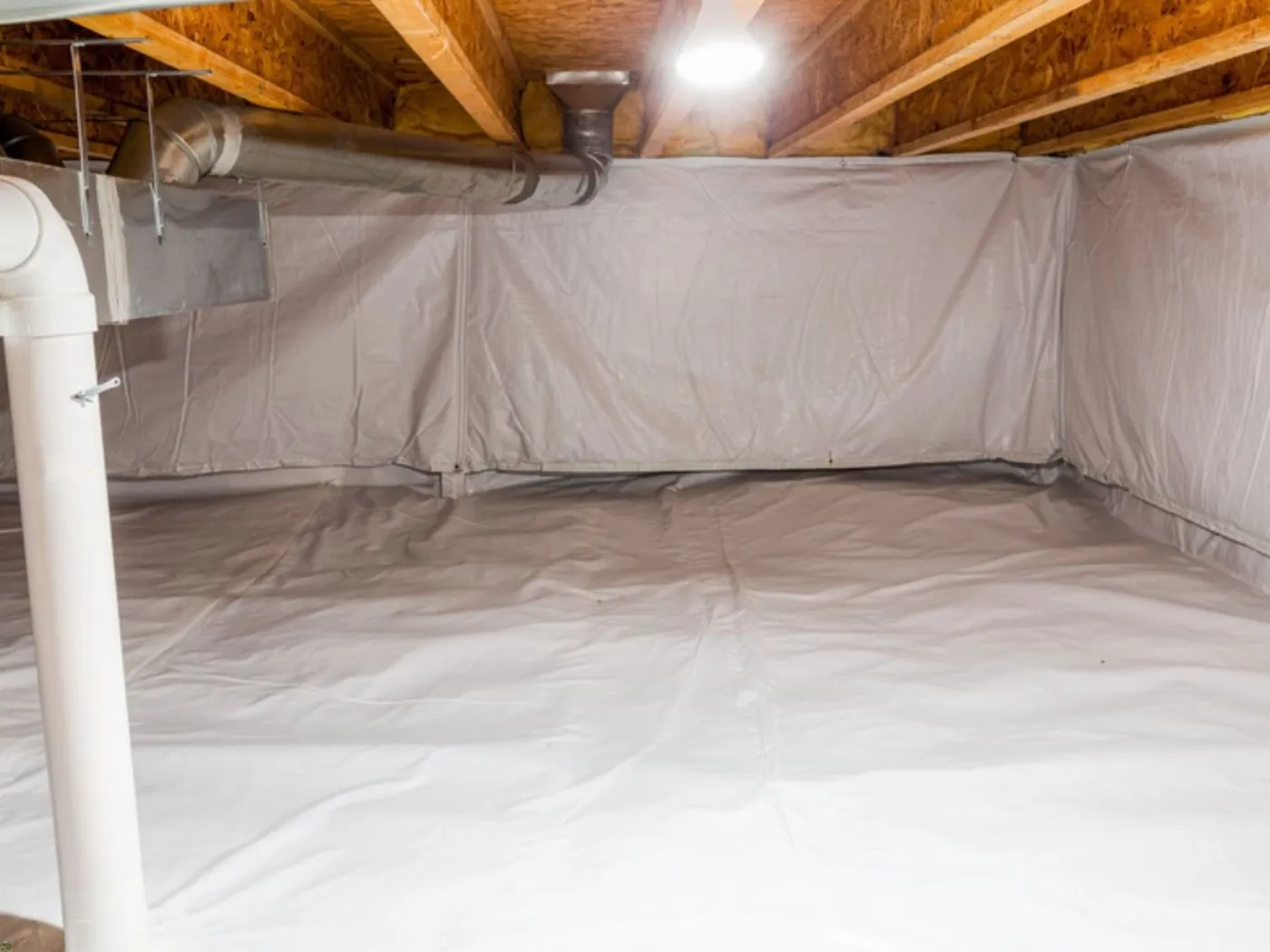
Crawl space encapsulation can help because it reduces some of the pathways that let soil gases move upward. Covering exposed earth with a durable vapor barrier, sealing weak points, and creating a more controlled environment below the home can all help limit how easily radon enters the crawl space and drifts into the rooms above. PowerHouse also positions encapsulation as part of a broader strategy tied to moisture control, air quality, and radon-aware home performance, not just a cosmetic cleanup under the house.
That said, helpful does not always mean complete. Encapsulation is not the same thing as a dedicated radon mitigation system, and it should not be sold like a miracle cure wearing a tool belt. The EPA’s consumer guide explains that some homes need different radon-reduction techniques depending on foundation design, and homes with crawl spaces may require specific systems or even a combination of approaches to bring levels down effectively.
- Encapsulation can help reduce direct contact between the crawl space and the soil below.
- Sealing the space can help limit air movement that carries radon upward.
- Some homes may still need a dedicated mitigation system even after encapsulation is complete.
The practical takeaway is this: encapsulation can be an important part of a smarter radon strategy, especially when the crawl space is exposed, leaky, or contributing to poor indoor conditions. It improves the environment below the home, and that can support lower radon entry in some situations. But the real goal is not to make the crawl space look tidier and call it a day. The goal is to reduce risk in a measurable way.
Encapsulation Helps, but Testing Is What Gives You the Real Answer
A cleaner crawl space can feel reassuring. It may look drier, smell better, and seem far more under control than it did before. But none of that proves radon levels actually changed. Radon is not something homeowners can judge by sight, smell, or instinct, which is frustrating but important to understand.
The CDC recommends action if a home’s radon level is at or above 4 pCi/L, and it notes there is no known safe level of radon. It also recommends testing again after installing a radon reduction system to make sure it is working, with retesting over time to confirm levels remain low. That same guidance notes that sealing cracks and openings can make mitigation systems more effective and cost-efficient, which reinforces the idea that encapsulation can support the broader solution even when it is not the whole solution by itself.
- A before-and-after test gives homeowners a clearer picture of whether improvements actually worked.
- Lower humidity or a cleaner-looking crawl space does not automatically mean lower radon levels.
- Testing helps determine whether encapsulation is enough or whether another solution is still needed.
That is why testing before and after improvements matters so much. A baseline test tells you where the home stands now. A follow-up test shows whether the changes actually moved the needle. If levels remain elevated, a dedicated mitigation system may still be needed. We would rather give homeowners the truth with measurements than guess our way into false confidence. Houses have enough surprises already.
A Sealed Crawl Space Can Be Part of a Smarter Radon Strategy
So, does crawl space encapsulation reduce radon? In some homes, yes. It can help by reducing exposed pathways, improving separation from the soil, and creating a more controlled crawl space environment. It can also support better moisture control, cleaner air, and stronger overall home performance, which means the benefits often reach beyond radon alone. At PowerHouse Home Performance, we look at crawl space encapsulation as part of a broader strategy to improve the health, comfort, and efficiency of the entire home.
Still, the smartest path is to think in terms of a complete solution rather than one silver bullet. The EPA recommends fixing homes that test at 4 pCi/L or higher, and it notes that many homes can be reduced to 2 pCi/L or below with the right approach. That is why the next step should always be practical: evaluate the crawl space, test radon levels, and determine whether encapsulation alone is enough or whether it should be paired with a dedicated mitigation system. At PowerHouse Home Performance, we believe the best results come from understanding the real conditions in the home and building the solution from there. When we solve the problem based on real conditions and real data, we are not just improving a crawl space. We are helping protect the home from the ground up.