
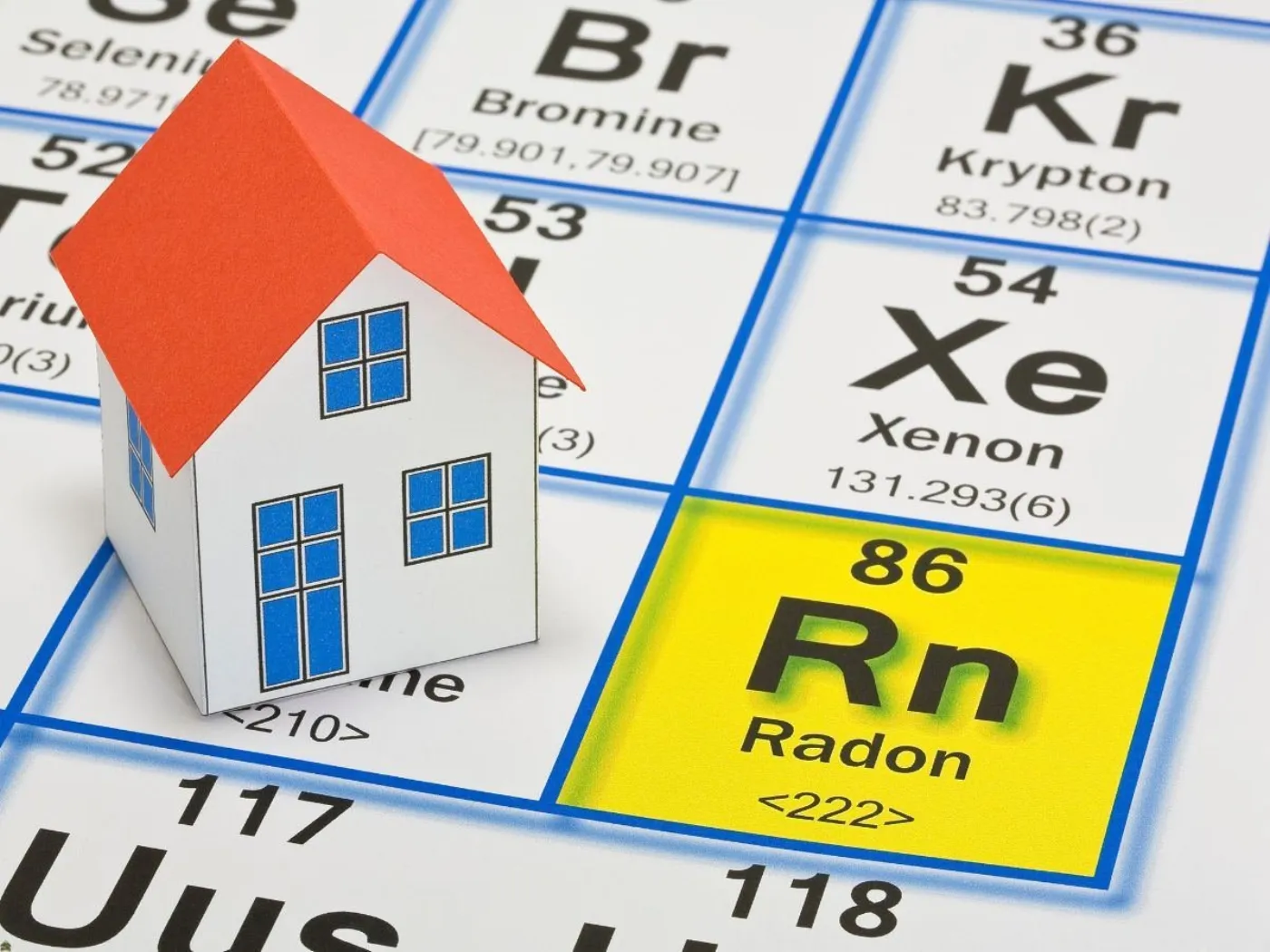
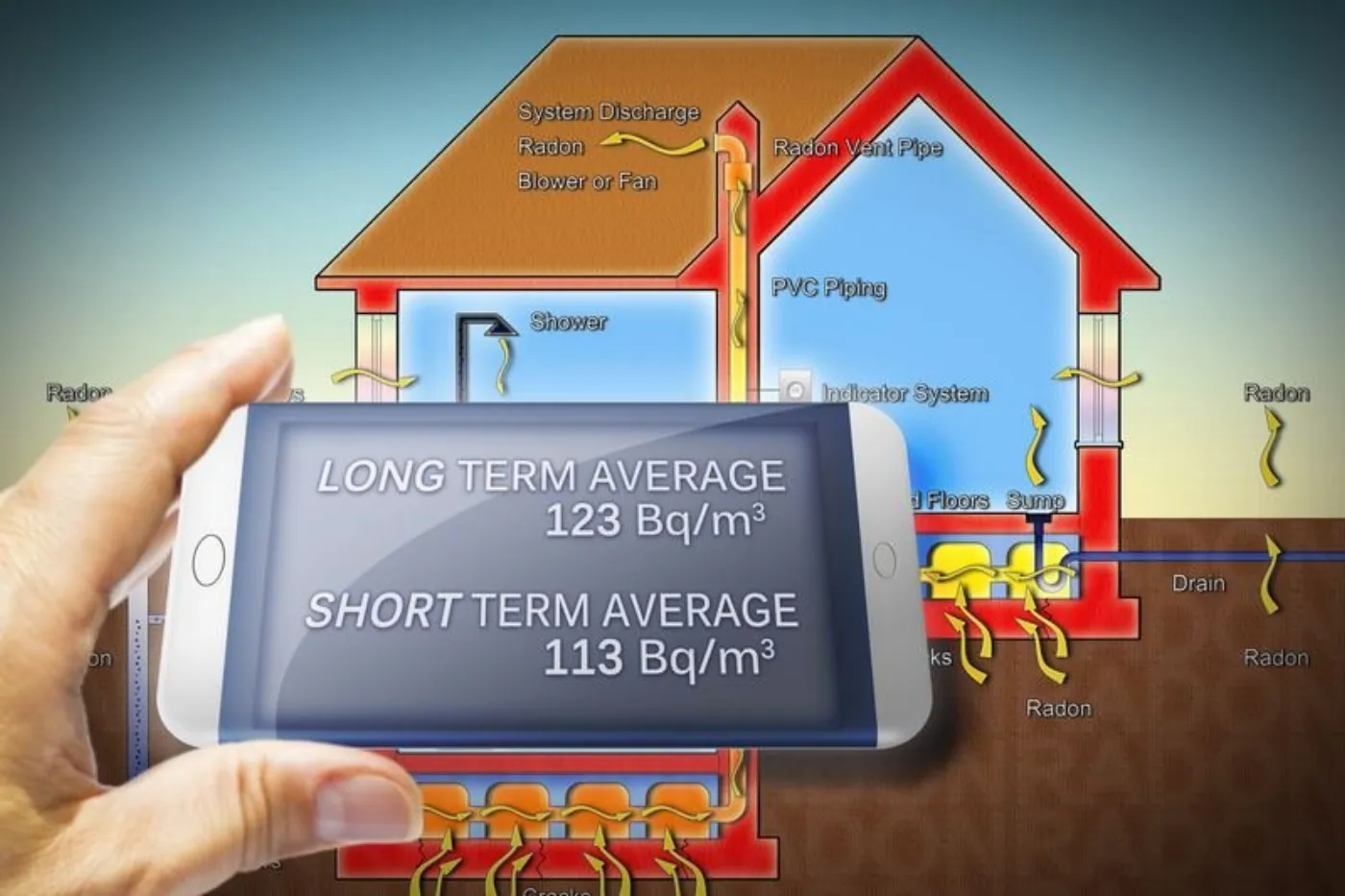
Radon in Colorado is common because the gas originates from uranium in our state’s soil and rock, and Colorado’s geology—rich in uranium-bearing formations, fractured bedrock, and porous soils—lets it migrate readily into buildings. Once beneath a foundation, radon follows the path of least resistance, slipping through hairline cracks, sump pits, utility penetrations, and crawlspaces. And because homes are often closed up in colder months, pressure differences can draw more soil gas indoors, making seasonal spikes more likely.
Across Colorado, many counties report a large share of homes testing above recommended levels, which is why we urge every household to check—not just those in “hot spots.” As a local team focused on radon mitigation, we make radon testing Colorado straightforward, from choosing the right device to interpreting results and planning next steps if action is needed.
How Radon Behaves in Homes
Once inside, the stack effect and normal pressure differences can pull radon from the ground into living spaces—especially during winter when windows stay closed. Levels vary widely from house to house, even on the same block, so a neighbor’s low reading doesn’t guarantee your home is safe. Average outdoor radon is about 0.4 pCi/L, but indoor concentrations can climb much higher, which is why local agencies run winter awareness programs encouraging every homeowner to test.
What Levels Are Considered Dangerous?
For radon in Colorado, we follow the same health guidance used nationally: take action at 4.0 pCi/L or higher and consider improvements between 2.0 and 4.0 pCi/L if the fixes are practical. Those ranges reflect long-term lung cancer risk, which rises as average exposure increases over time. Many Colorado communities routinely see results above national norms, so our stance is simple—test, confirm, and act based on your home’s actual number.
We also emphasize risk context, not fear. A result just under 4.0 pCi/L still represents ongoing exposure, and small, affordable measures can help reduce it. And because geology and building factors vary widely across the state, our recommendations are tailored to your site, foundation, and lifestyle.
- In radon testing Colorado projects, we prioritize changes that lower exposure reliably year-round.
- We pair health risk guidance with practical steps, sequencing the most cost-effective improvements first.
Quick Reference Thresholds
These thresholds help frame decisions without overcomplicating them. We’ll still look at seasonal patterns and your goals before finalizing a plan.
- 4.0 pCi/L or higher: plan mitigation after confirming with a follow-up test
- 2.0–3.9 pCi/L: consider targeted reductions to lower lifetime exposure
Interpreting Your Number
Short-term tests offer a fast snapshot, while long-term tests average seasonal swings for a truer picture of exposure. If a screening result is 4.0 pCi/L or higher, confirm it and then design mitigation that fits your foundation and pressure dynamics. If results land between 2.0 and 4.0 pCi/L, we’ll discuss options to reduce levels and lock in consistency across seasons.
After mitigation, keep an eye on performance. Retesting every two years—and any time you remodel, change HVAC equipment, or alter ventilation—ensures your system continues to protect your family. If you’re on a private well and indoor air is elevated, consider water testing as part of a complete plan.
- Use the lowest livable level for placement and follow closed-house guidance during testing.
- Document post-mitigation performance and keep records with your home maintenance files.
Follow-Up Schedule
A simple schedule keeps your data fresh and your system dialed in. We’ll set reminders and provide clear instructions so retesting is easy.
- Confirm an elevated short-term result with a follow-up test before installing a system
- Retest every two years after mitigation—or sooner if you change HVAC, finish a basement, or alter ventilation
Radon Testing Colorado: How to Get Your Home Tested
For radon in Colorado, you can choose a DIY short-term kit, a long-term device, or a certified professional test—each option has a role depending on your goals and timeline. Short-term kits (often two to seven days) provide a fast snapshot for screening, while long-term devices capture seasonal swings for a more representative average. We always place tests on the lowest livable level, maintain closed-house conditions, and follow measurement protocols precisely so your results are trustworthy.
Local governments and extension offices often offer discounted kits and guidance, which makes getting started simple. If you want documented chain-of-custody results, continuous monitoring, or quicker decision-making for a real-estate deadline, our team at PowerHouse Home Performance offers professional radon testing with formal reporting. And we can help you turn numbers into a clear plan, including mitigation sizing, pricing expectations, and post-mitigation verification.
Your Testing Options at a Glance
- DIY short-term kit: quick screening, low cost, helpful for initial checks or rentals
- Long-term device: averages seasons, better for long-term exposure decisions and confidence
- Professional test: continuous monitor, chain-of-custody, defensible report for real estate or planning
Choosing DIY vs. Professional Testing
If you’re screening a home for the first time and don’t have a tight deadline, a DIY short-term test is a smart start. When results are borderline—or when you’re planning renovations, sensitive to health risk, or under contract—professional testing provides higher resolution data and documentation.
We’ll help you weigh speed, accuracy, and budget so you don’t over- or under-test. Our recommendation often pairs a quick professional snapshot with a follow-up long-term measurement if numbers are near your action threshold.
When DIY Makes Sense
- You need an affordable first pass and have a flexible timeline
- You plan to follow up with long-term testing if results are borderline
When Professional Testing Helps Most
- You need official, time-stamped results for a sale or negotiation
- You want continuous monitor data and a formal report with interpretation
Where, When, and How to Place a Test
Placement matters as much as the device. We set tests in the lowest livable level—finished basement, family room, or another frequently used lower-level space—away from drafts, exterior walls, and high-humidity areas. Winter often yields conservative, higher readings because closed-house conditions are easier to maintain, but accurate tests are possible year-round with good setup.
Avoid testing during severe storms or major ventilation changes that can skew results. Follow the device’s exposure period exactly, keep normal living patterns, and then send or upload the data promptly. If your initial number is borderline, a long-term follow-up helps confirm the true average before you commit to mitigation.
Placement Do’s and Don’ts
- Do place the device 20–30 inches above the floor, away from windows, doors, and registers
- Don’t test in kitchens, bathrooms, laundry rooms, or on exterior walls prone to drafts
Day-Of Best Practices
- Maintain closed-house conditions 12 hours before and during the test period
- Record start/stop times and any unusual events (storms, extended door propping)
What to Expect From a Professional Test
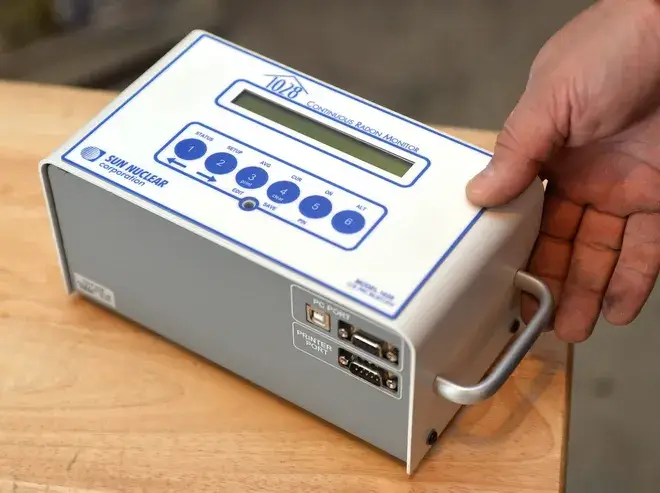
A professional radon testing visit from our team takes about 20–40 minutes for setup, and we’ll return after the exposure period to retrieve the monitor. We verify placement, note site conditions, and document anything that could influence results, then generate a clear, easy-to-read report.
You’ll see hourly readings, an average, and confidence indicators, plus our interpretation in plain language. We’ll also answer what to do next based on your risk tolerance, foundation type, and whether you have a deadline or just want clarity.
What’s Included in Our Testing
- Calibrated continuous monitor with tamper detection and chain-of-custody
- A plain-English report with context, thresholds, and recommended next steps
Why This Adds Value
- Defensible data for buyers, sellers, and homeowners making investment decisions
- Faster path from measurement to mitigation when action is needed
Interpreting Results and Planning Next Steps
Numbers guide, they don’t scare. If your short-term result is at or above the common action level, we’ll confirm with an appropriate follow-up and design mitigation that fits your foundation and pressure dynamics. If results land between 2.0 and 4.0 pCi/L, we’ll discuss targeted reductions and monitoring to lower long-term exposure.
After mitigation, we schedule post-work testing to verify performance and set a retest cadence to keep protection dialed in. We also help you document results for real-estate files or future renovations.
Practical Next Steps
- Confirm elevated short-term results before installing a system
- Retest every two years after mitigation, or sooner after HVAC changes or remodeling
How We Support You
- Clear, prioritized recommendations matched to your home and budget
- Coordination for mitigation bids and optional verification testing
Making Radon Testing Colorado Easy With PowerHouse Home Performance
Radon in Colorado varies house by house, which is why testing your home—not your neighbor’s—is essential. We make the process simple: choose the right test, place it correctly, and get a clear plan you can act on with confidence. Our local team handles everything from professional testing to mitigation design and post-mitigation verification, so you have one partner from first number to final fix.
If you’re ready to start, we’ll help you schedule a professional test or select the right DIY kit and placement. And we’ll be there with readable results, practical guidance, and a straight path to safer, healthier air in your home.
If Your Radon Test Is High: Mitigation Basics
Most homes can be fixed with sub-slab depressurization, a proven approach that uses a PVC vent and quiet, exterior-rated fan to draw soil gas from beneath the foundation and exhaust it safely outdoors. For crawlspaces, we typically install a sealed membrane (with taped seams) over the soil and connect it to a dedicated vent line. Every project includes post-mitigation radon testing Colorado to verify that levels drop and stay down.
We size and place components so the system is effective, discreet, and easy to service. And we walk you through expectations on noise, energy use, and maintenance so there are no surprises. Our goal is simple: reliable reduction with clean detailing that fits your home.
- Sub-slab systems often use existing slab penetrations or a core hole near the sump
- Crawlspace systems pair a durable vapor barrier with a vent connection and fan
What Sub-Slab Depressurization Involves
We create a small suction point in the slab, connect it to a vent stack, and run the fan continuously to maintain negative pressure under the floor. The fan exhausts above the roofline to keep radon in Colorado out of living spaces and away from windows and soffit vents. Proper sealing of cracks and joints supports performance but is not a substitute for the fan-driven system.
Fan location and line routing depend on your layout, aesthetics, and service access. We plan for freeze protection and condensate management so winter operation stays steady in our climate.
- Expect a visual indicator (manometer) on the suction line to confirm fan operation
- Ask us about paintable pipe, discrete routing, and low-silhouette exhaust options
Choosing the Right System and Contractor
Work with qualified installers who follow measurement protocols and provide clear documentation. We design systems to meet reduction targets, minimize sound, and blend with the exterior—then back them with a warranty and a straightforward service plan. You should receive a written proposal that explains suction points, fan model, routing, and expected post-mitigation levels.
Before we begin, we’ll discuss any finish considerations (e.g., finished basements, built-ins) and coordinate core drilling and patching to keep the space tidy. If your home has multiple foundations or additions, we’ll evaluate whether one or more suction points are required to achieve the target.
- Ask about fan efficiency, noise ratings, and warranty length
- Request a diagram showing suction point(s), routing, and discharge height
A Quick Example
A split-level home with a finished basement and adjacent crawlspace might need one slab suction point and a separate crawlspace membrane tied into the same fan. That integrated approach controls both sections and avoids a second fan, reducing cost and maintenance.
After Mitigation
Once the system is running, we schedule follow-up radon testing Colorado to confirm performance under closed-house conditions. Keep windows and exterior doors closed during the test period so results reflect typical exposure. If levels are above target, we adjust suction, add a second suction point, or tighten the membrane until the numbers meet the goal.
Long term, plan periodic retesting and quick visual checks of the system indicator to ensure steady operation. If you remodel, finish a basement, or change HVAC equipment, retest—those changes can alter pressure patterns and influence radon movement.
- Retest every two years, and anytime you make significant building or HVAC changes
- Keep the fan’s manometer in view; a zero reading can indicate a power or line issue
Maintenance and Support
Our installations include clear owner instructions, a maintenance checklist, and contact info for service. We also offer reminder prompts for retesting and optional annual checks to confirm the fan and sealing remain in good condition.
- Replace or service fans when noise increases or the indicator suggests a failure
- Inspect exterior discharge points to ensure they remain clear and properly elevated
Real Estate and Documentation
In real estate transactions, a professional test and a documented mitigation plan provide confidence for buyers and sellers. We supply chain-of-custody test results, system photos, and a summary of expected performance so the file is complete. If a sale requires a specific retest window, we coordinate timing to keep the deal on track.
Good records matter beyond the closing, too. Keep your test reports, mitigation diagram, and warranty together so future testing and service are simple.
- Provide buyers with the latest test report and system overview at closing
- Schedule a post-occupancy retest to confirm ongoing performance in normal living conditions
Breathe Easier With PowerHouse Home Performance
Radon in Colorado is common, but peace of mind is simple when you have the right partner. PowerHouse Home Performance makes it easy to move from uncertainty to clarity—starting with accurate testing, plain-English results, and a mitigation plan tailored to your home, budget, and timeline. We handle everything from professional monitors and chain-of-custody reporting to post-mitigation verification, so you can trust your numbers are trending down and staying there.
If you’re ready to act, we’re ready to help. Schedule radon testing Colorado with PowerHouse Home Performance, and we’ll turn one small measurement into a healthier, safer home—backed by building-science expertise, clear recommendations, and ongoing support whenever you need it.