
If you’ve started collecting heat pump quotes in Colorado, you’ve probably noticed the pricing can feel… unhinged. One contractor glances at your setup and calls it a straightforward swap. Another starts stacking upgrades—“bigger unit,” duct changes, electrical work, permits—until the total sounds less like HVAC and more like a down payment. And the frustrating part is that, at first glance, both quotes can look reasonable. Same general system, same buzzwords, same promise of “high efficiency.” Then again, the numbers are nowhere close.
Here’s the insider shortcut that saves homeowners from regret: most heat pump overpaying starts before the equipment is even chosen. It usually happens when the quote is built around a rule-of-thumb size (“you’re probably a 3-ton”) instead of a documented plan for your home—your ductwork, your insulation levels, your airflow limits, and Colorado’s winter performance demands. That is, you see, where costs quietly balloon: oversizing triggers unnecessary electrical and install complexity, while undersizing can force expensive backup heat decisions later.
In this guide, you’ll learn how to compare heat pump quotes the right way—what cost ranges actually mean in Colorado, which “hidden” line items matter, and the specific red flags that tell you when a bid is likely to get more expensive after you sign.
The #1 Overpaying Trap: Buying Tons Instead Of Buying A Plan

When a contractor leads with “you’re probably a 3-ton,” you are not getting a design, you are getting a guess dressed up as confidence. The quote might still be well-intentioned, but it is built on shortcuts that ignore the stuff that actually drives performance in Colorado: insulation levels, window area, duct constraints, and how your home behaves when it is 5°F outside.
A real plan starts with a residential load calculation, commonly called Manual J, which is the industry standard used to estimate the heating and cooling loads a home truly needs. Done correctly, it forces the contractor to document assumptions and match equipment to your home instead of matching your home to whatever equipment they like stocking.
How This Impacts Heat Pump Cost
Bigger is not automatically better. Oversizing can trigger expensive add-ons, and it can still underperform if airflow and controls are not engineered.
What To Ask For In The Proposal
- A written load calculation summary and the key inputs used.
- Heating capacity details at low outdoor temperatures, not just the “tonnage.”
If two homes are the same size but one is leaky with older windows, the right solution is not automatically “add a bigger system.” It is to size from the load and then design the distribution so the system can actually deliver comfort where you need it.
What Is A Heat Pump And Why It Changes How You Should Shop?

A heat pump does not create heat by burning fuel the way a furnace does. It uses electricity to transfer heat from one place to another, pulling heat from outdoors in winter and sending indoor heat outside in summer. That “move heat instead of make heat” concept is exactly why you can’t shop it like a simple box swap.
Why Heat Pump Cost Depends On More Than The Equipment
With a furnace, the appliance does most of the heavy lifting. With a heat pump, performance is split between the equipment and the system design choices that make it work in real conditions, including Colorado temperature swings. That is why two quotes can look similar on paper but behave very differently once installed.
What This Means When You Compare Quotes
- Ask how the contractor expects the system to perform in both heating and cooling modes, not just at mild outdoor temperatures.
- Confirm what is included to make the system operate correctly, such as controls setup, airflow verification, and any needed distribution changes.
If you want a simple rule: shop the outcome, not the brand. A heat pump is a whole-home comfort system, and the proposal should explain how the parts work together to keep your home comfortable across the seasons.
Heat Pump Cost Ranges By Type In Colorado
When you are comparing quotes, it helps to start with a realistic bracket for each system type. In Colorado, the installed total often lands within national ranges, but it shifts based on whether you need cold-climate performance, how your existing ductwork is holding up, and whether your electrical service can support the equipment without upgrades. Treat these ranges as guardrails, not guarantees.
Quick Reality Check By System Type
Type | What It Typically Covers | Typical Installed Range
Ducted Air-Source | Whole-home heating and cooling through existing ducts | Often five figures
Ductless Mini-Split | One zone to whole-home zoning with multiple indoor heads | Lower for one zone, climbs fast with zones
Geothermal | Ground loop plus indoor equipment | Often the highest upfront cost
Where Colorado Quotes Tend To Drift Up
- Cold-climate capable models can carry a higher equipment price, especially when the proposal targets strong heating output at low outdoor temperatures.
- Homes with older electrical service sometimes need added work to support a new all-electric heating system.
How To Use These Ranges When Comparing Quotes
If one bid is far below the bracket for that system type, assume something is missing until proven otherwise. If a bid is far above the bracket, ask what conditions are driving the jump and request that those items be listed explicitly.
The goal is not to find the cheapest number. It is to understand which system type fits your home and budget, then compare quotes that are scoped the same way so you can make a confident decision.
Additional Costs That Quotes Often Hide

Two bids can list the same equipment and still land thousands apart because one quote includes the unglamorous work that makes the system safe, code-compliant, and functional, and the other leaves it out until the project is underway. If you only compare the equipment line, you will miss the real drivers of heat pump cost, which almost always live in the “installation details” section of the proposal.
The Hidden Line Items That Move The Total
Some add-ons are legitimate needs, others are pricing gaps that show up later as change orders. The best way to tell the difference is to insist that each of the following categories is addressed explicitly.
Common Items That Should Be Listed Clearly
- Electrical scope such as a new breaker, a dedicated circuit, outdoor disconnect, and surge protection. Panel or service upgrades should be called out separately.
- Ductwork scope such as sealing, adding returns, resizing runs, or balancing airflow if needed.
- Refrigerant line work such as replacing old or undersized lines, long line runs, or penetration repairs.
- Condensate management such as drain routing, pumps, and freeze protection planning.
- Permits, inspections, disposal, and access costs such as tight mechanical rooms or special lifting needs.
A quote that is truly comparable is not just a number, it is a map of what is included and what is excluded. When a contractor is willing to spell that out, you can compare proposals without guessing which one is hiding the expensive part until after you sign.
The Biggest Factors That Influence Heat Pump Installation Cost
If you are wondering why your neighbor’s project came in thousands lower or higher, it usually comes down to scope complexity, not contractor “markup magic.” Two homes can be similar in square footage, yet require very different solutions once you account for how the home holds heat, how air moves through the space, and what has to be updated to install the equipment safely and legally.
The Home Conditions That Set The Baseline
A tight, well-insulated home can often use smaller equipment and simpler distribution work. A draftier home may need more capacity, or it may benefit from envelope improvements before final equipment selection so you do not pay extra for problems insulation should have solved.
- Older windows and weak attic insulation can raise the required output even if the floor plan is modest.
- A finished basement or complex layout can increase labor time for routing, access, and cleanup.
The Project Decisions That Move The Price Fast
This is where heat pump installation cost can swing the most between quotes. The more a system is customized to match real comfort needs, the more line items appear, and that is not always a bad sign if they are documented clearly.
Cost Multipliers That Show Up In Higher Quotes
- Higher efficiency tiers and specialized features can increase equipment cost and setup time.
- Installation complexity can rise when the job requires added controls configuration, communication wiring, or non-standard placement of equipment.
- Local labor rates and permit requirements vary, which directly affects the installed total.
A solid proposal should explain which of these factors apply to your home and why. When you see that reasoning in writing, you are not just comparing prices, you are comparing plans that are meant to deliver the same outcome.
Colorado Climate: Why Cold-Climate Heat Pumps Can Cost More Up Front
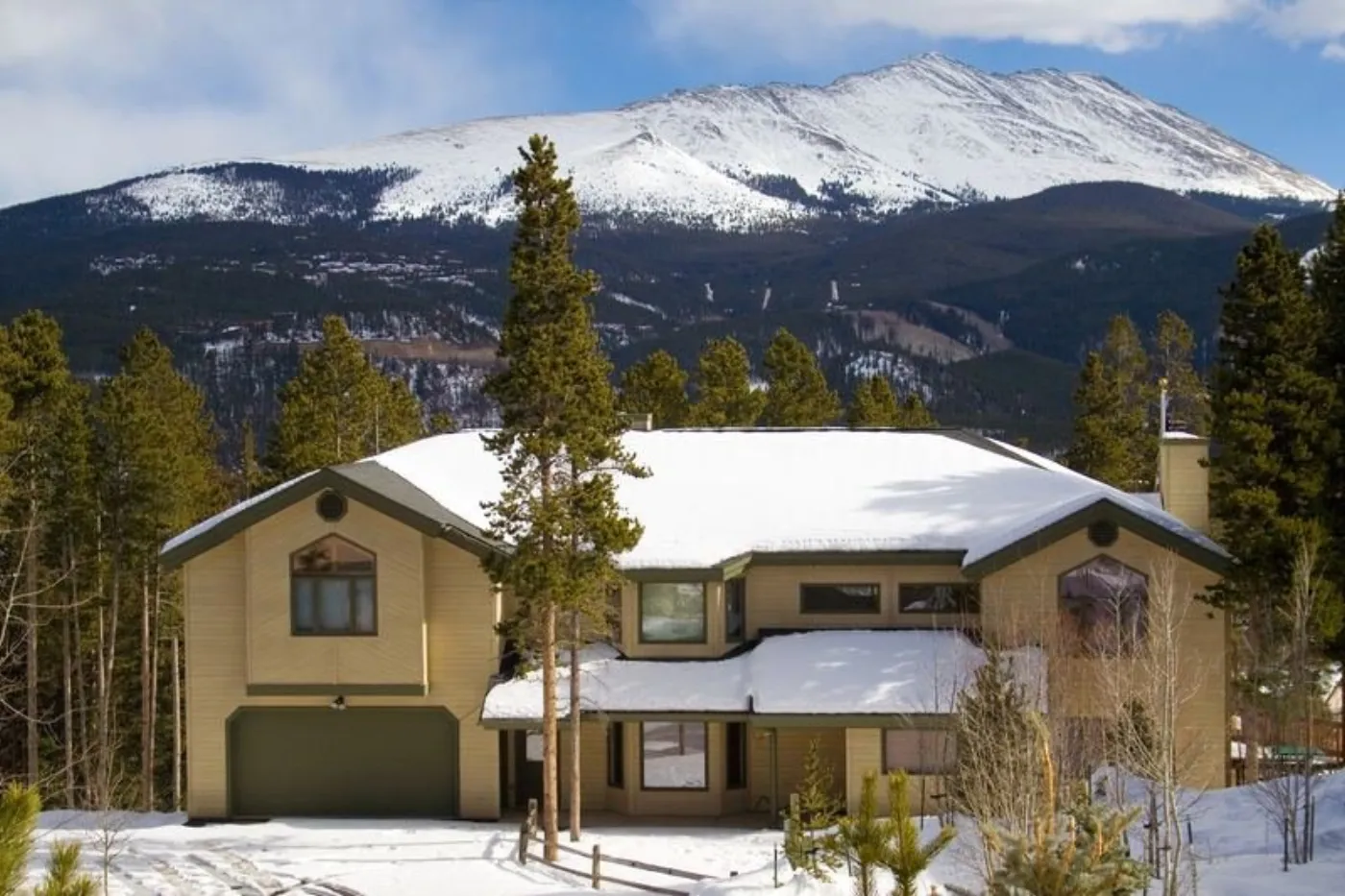
Colorado winter is not one setting. The Front Range can swing from mild afternoons to sharp overnight drops, while foothills and mountain towns routinely face longer cold stretches. That variability changes how equipment is selected and configured, because the system has to deliver steady heat when the temperature is not cooperating.
What “Cold-Climate” Really Means For Equipment Selection
Cold-climate heat pumps are designed to keep producing usable heat at lower outdoor temperatures than standard models. The tradeoff is that this capability can raise the upfront price, especially when the quote includes higher-performance outdoor units and the controls required to run them correctly in cold weather.
Why This Affects Heat Pump Cost In Colorado
- A system built for low-temperature performance may reduce how often backup heat is needed during cold snaps.
- If a proposal assumes heavy backup heat use, the equipment might be cheaper upfront, but you can pay for that decision repeatedly during winter bills.
- Some homes still need backup for extreme events, but the goal is to size and configure the system so backup is the exception, not the default.
A Practical Way To Compare Quotes In This Climate
Ask each contractor what outdoor temperature they are designing for and how the system will behave when it gets there. If they cannot explain that clearly, you are not comparing comfort plans, you are comparing guesses with different price tags.
Heat Pump Sizing In Cold Climates And How To Compare Quotes Correctly
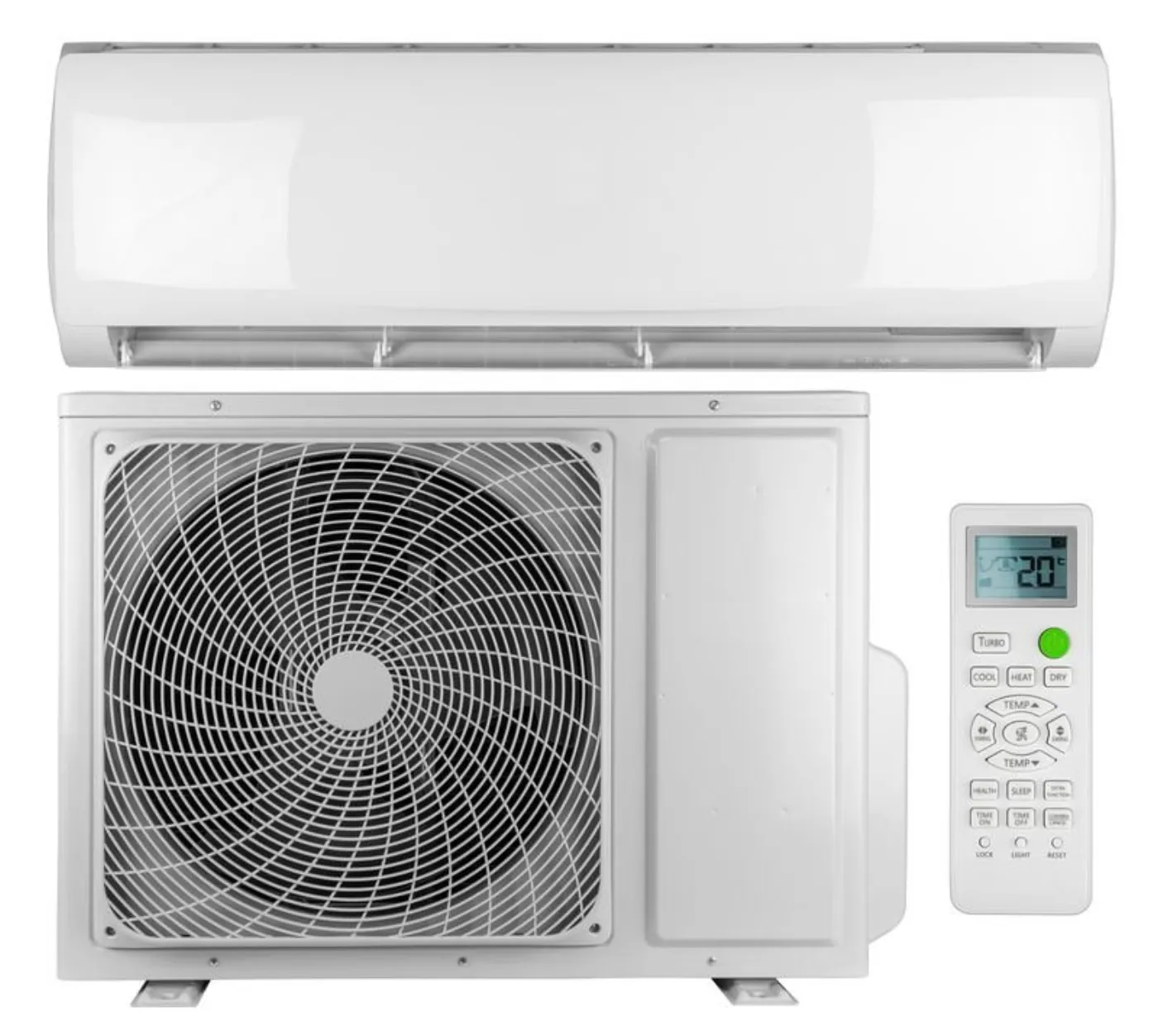
In Colorado, a strong proposal should explain how the system will meet your heating needs when it is actually cold, not just how it performs on a mild day. The Building America Solution Center’s cold-climate sizing guidance emphasizes a process approach: define goals, choose a configuration, use recognized sizing methods, and select equipment that can meet capacity targets without excessive cycling.
What A “Plan-Quality” Proposal Includes
A bid that is easy to trust usually includes the logic behind the numbers, not just the final selection. This is where you separate a quote built for comfort from a quote built for speed.
Items You Should See In Writing
- The sizing method used and the target heating capacity at the relevant design conditions.
- Low-temperature performance information tied to the selected equipment, not a generic brochure claim.
- A balance point strategy that explains when backup heat is expected to engage and why.
- A distribution plan that states assumptions about airflow, duct constraints, and zoning approach.
- Controls and commissioning steps describing how settings will be verified after installation.
Why This Protects Your Heat Pump Cost
Cold climates punish sloppy sizing. If the system is undersized for real conditions, you can end up leaning on backup heat more than expected. If it is oversized, you might pay extra upfront and still deal with comfort issues if the system cycles excessively or the distribution cannot support the capacity target.
When you compare quotes, insist that each contractor answers the same questions using the same assumptions. Once the proposals are speaking the same language, the price differences usually make sense.
Operating Cost In Colorado And The Heat Pump Cost Math People Forget
A quote is what you pay once. Your utility bill is what you pay for years, and two identical systems can land different costs depending on electricity rates, backup heat use, and how much the house leaks.
The Inputs That Decide Your Bill
- Your local electricity price per kWh, which EIA reports by state in Electric Power Monthly tables.
- How often electric resistance backup runs during cold snaps.
- The home’s heat loss, which drives runtime.
How To Sanity-Check Savings Claims
Ask what kWh price and cold-weather assumptions were used to predict savings. Then compare them to Colorado’s average residential electricity price in the EIA tables to see whether the estimate is grounded.
This quick check keeps you from choosing a system that looks affordable upfront but quietly still overcharges you every winter.
Colorado Incentives That Can Reduce Heat Pump Cost

Colorado incentives can shrink your out-of-pocket cost, but only if you understand the rules before you sign a contract. Utility rebates and state programs often have different eligibility requirements, approved equipment lists, and documentation standards, so “we will handle it later” can turn into missed savings.
Utility Rebates And Program Rules
Many Colorado rebates run through your utility and may require you to be an eligible customer and follow specific steps. Xcel Energy, for example, notes that Colorado electric and or natural gas customers may qualify for heat pump rebates, with additional support available for income-qualified households depending on eligibility and pathway.
Common Utility Rebate Requirements
- Qualifying equipment that meets program efficiency tiers and model requirements.
- Proof of installation plus invoices, permits, and program forms that match exactly.
State And Local Programs, And The Federal Credit That Ended
EnergySmart Colorado summarizes available incentives and notes that the Colorado Energy Office launched the HEAR program in November 2025 with point-of-sale rebates through registered contractors for eligible households. The federal Energy Efficient Home Improvement Credit, which used to cover up to $2,000 of a qualifying heat pump, ended for work completed after December 31, 2025. For 2026 installs the money that stacks is the utility rebate, the Colorado state heat pump tax credit, and, in the Denver metro, Power Ahead Colorado.
The simplest way to avoid surprises is to confirm which incentives apply to your address and income bracket, then make sure the quote spells out who files what and what paperwork you will receive.
The Quote Comparison Checklist (Apples-to-Apples in 15 Minutes)
Here’s a simple way to compare heat pump quotes without needing an HVAC degree:
- Sizing proof: Is there a written load/sizing basis, or just “we always do a 3-ton here”?
- Cold-weather plan: What happens on the coldest nights—what’s the backup strategy and expected runtime?
- Scope clarity: Does the quote explicitly include (or exclude) electrical work, permits, disposal, thermostat, duct modifications, and commissioning?
- Model + performance info: Exact outdoor unit and indoor unit model numbers (not just a brand name).
- Incentives handling: Who files rebate paperwork? What documentation will you receive for tax purposes?
- Commissioning details: Will they verify airflow/static pressure, refrigerant charge, and controls setup—or is it “install and vanish”?
- Warranty + labor: Manufacturer parts warranty is common; labor coverage varies wildly—get it in writing.
- Change-order triggers: Ask: “What could make the price go up after we start?” and get the answers documented.
EnergySmart Colorado even provides contractor-conversation guidance/checklists to help homeowners ask better questions and avoid costly surprises mid-project.
Ready To Compare Heat Pump Quotes Without Regret?
Colorado heat pump shopping gets a lot easier when you stop chasing brand names and start demanding a clear plan. The best quote is the one that spells out how the system will perform in real winter conditions, what is included, what is excluded, and what could change the price once work begins. If you want a second set of eyes on sizing, scope gaps, and rebate strategy, we can help at PowerHouse Home Performance.