
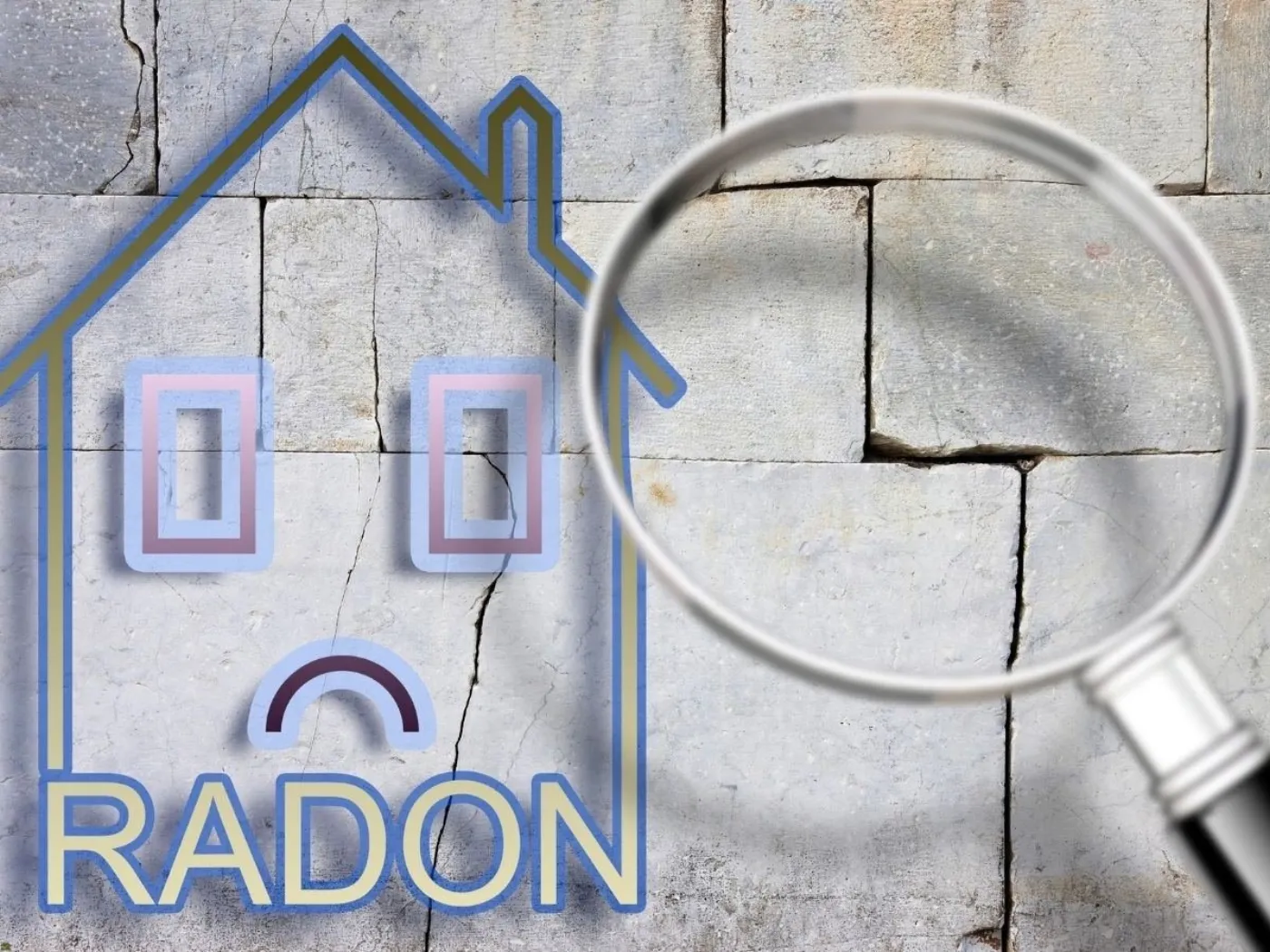
Picture a perfectly normal home. Fresh paint, clean vents, maybe even a candle doing its best “mountain lodge” impression. Now picture something harmful floating around anyway, with zero smell, zero taste, and zero interest in your opinions. Not spooky. Not dramatic. Just quietly present, like an uninvited guest who refuses to leave and never brings snacks.
That’s radon. And no, this isn’t Radon 101. This is a homeowner reality check, the kind you text to a friend who says, “My house is fine, I’d know.” No, you wouldn’t. That is the whole point. Radon doesn’t come with a warning light, a weird odor, or a suspicious stain on the ceiling. It’s not like a leaky pipe that announces itself by ruining your drywall.
So if you’re waiting for a sign, you’ll be waiting forever. The goal here is simple: spot the normal, everyday clues that should push you to get a radon test, even when everything looks totally fine.
You Cannot Detect Radon Without Testing
Radon doesn’t announce itself. It doesn’t stain the walls, trip an alarm, or give you that “something’s off” vibe when you walk downstairs. The only way to know what’s happening is to measure it with a radon test, because this is a numbers problem, not a senses problem.
This is where homeowners get tripped up. We’re all wired to look for clues like smells, sounds, or visible damage, and radon offers none of that. It’s not unlike assuming your car is healthy because you haven’t opened the hood. That logic feels comforting right up until it doesn’t.
Why Your House Gives You No Warning
Invisible Problems Are Still Real Problems
A house can look spotless and still have air quality issues, because “clean” and “safe” are not the same category. Air fresheners do nothing here, which is tragic for the candle industry.
- You can’t smell radon, so there’s no “heads up” moment.
- You can’t see radon, so there’s nothing to notice during a casual basement lap.
Common Myths vs What’s True
| What People Assume | Reality |
| “I’d smell it if it was there.” | You won’t. Radon has no odor. |
| “My house is new, so we’re good.” | New homes can still have radon. |
| “Only basements have radon.” | Levels can affect any home, including slab-on-grade. |
The Simple Takeaway
A radon test is measurement, not guesswork, and there’s a difference. If you’re relying on “we’d know,” you’re relying on a system that was never designed to detect this.
Layout Clues That Quietly Raise the Odds
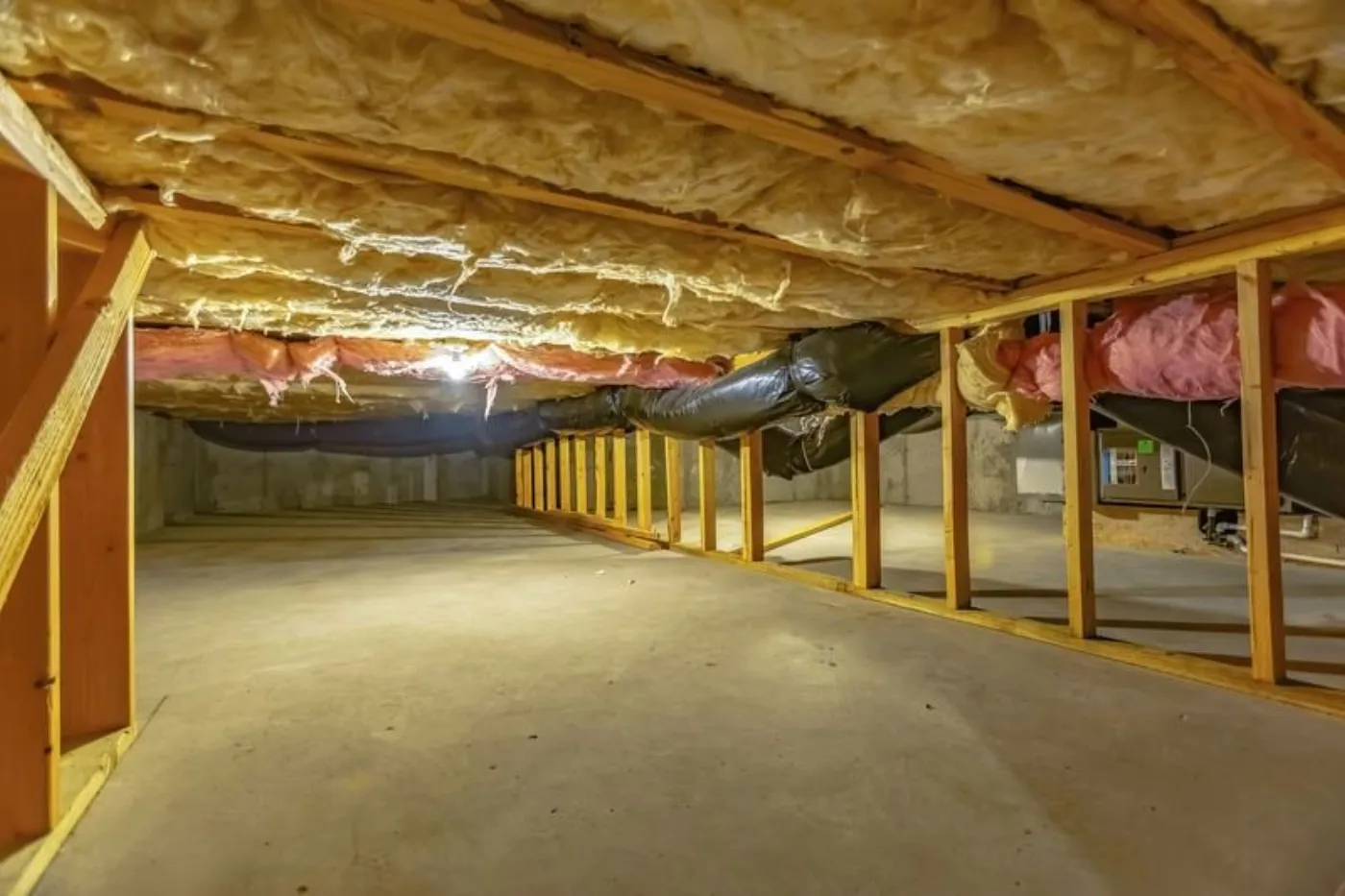
Some homes are simply built in ways that make radon entry or buildup more likely. Not because the builder did anything “wrong,” but because the home has more contact with the ground and more opportunities for soil gases to move indoors through perfectly ordinary construction details.
This is where radon risk hides in plain sight. Everything looks fine. Everything feels fine. That is the trap. Layout alone can’t tell you your radon level, but it can absolutely tell you when a radon test belongs on your adulting checklist.
Below-Grade and Ground-Contact Features
Basement or Below-Grade Space
If your home has a basement, garden level, or any below-grade area, you’ve got more surface area interacting with the soil. That increases the chances of radon entering through joints, seams, and tiny openings you’ll never notice during a casual “looks good down here” walkthrough.
- Finished basements count, because drywall does not block gases like it blocks your unfinished-storage guilt.
- Garden-level or walkout lower floors still qualify as below-grade in key areas.
Crawl Space Under Part of the Home
Crawl spaces can create an easy pathway for soil gases to collect and move upward into the living space. They’re common, they’re normal, and they’re one more reason radon testing is smarter than guessing.
You Spend a Lot of Time on the Lowest Level
If your basement is a bedroom, office, gym, or playroom, that’s not a reason to panic. It’s a reason to test, because you’re using the level where radon is most likely to show up at higher concentrations.
- Home office downstairs? You’re logging hours where the numbers matter most.
- Basement bedroom? Great for sleep, not ideal for unknown air quality.
Foundation and Penetration Clues You See All the Time
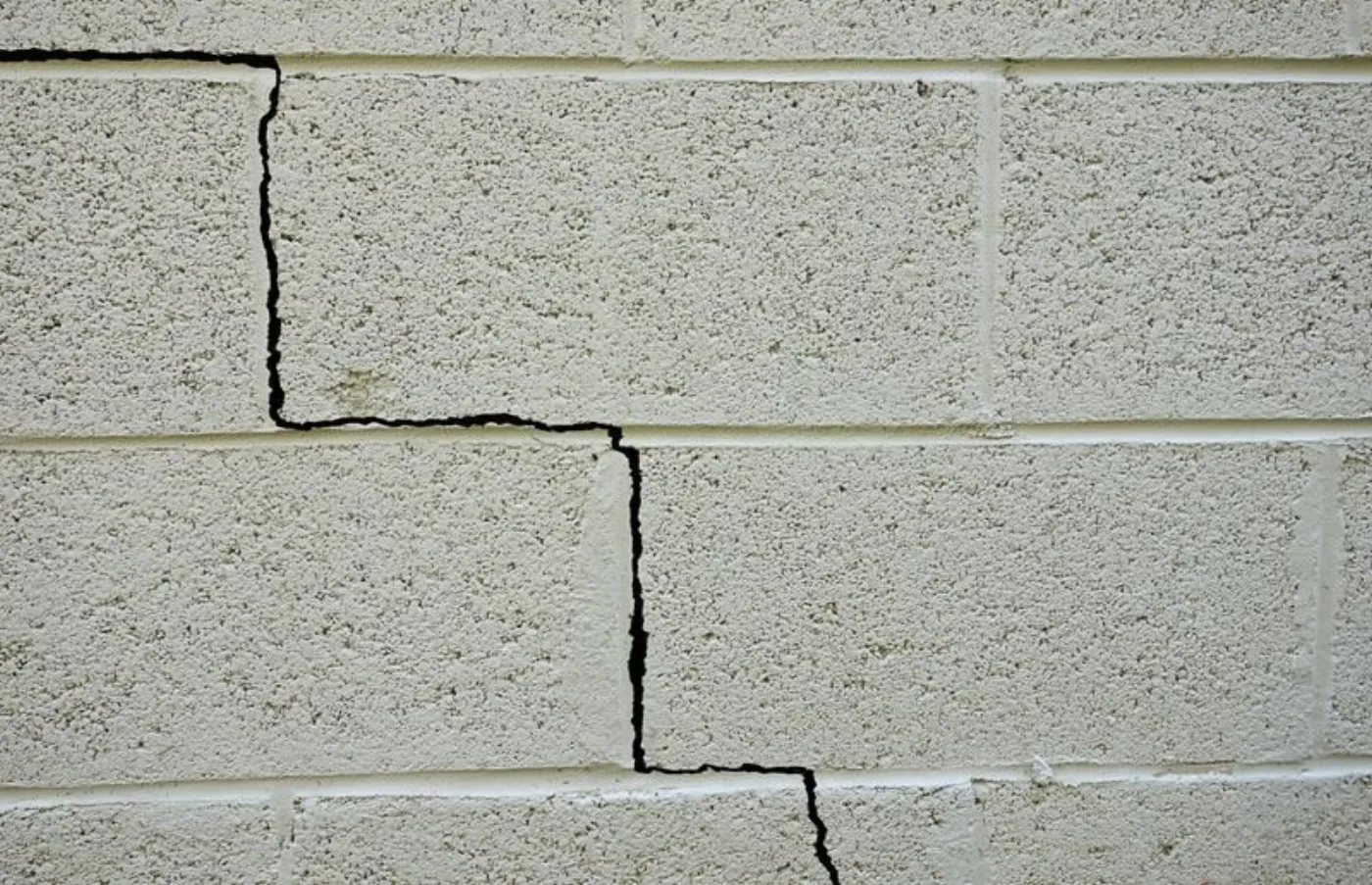
A home doesn’t need dramatic, horror-movie cracks to let soil gases move through. Even small gaps and seams can become pathways, especially where the slab meets the foundation wall or where utilities punch through the floor and walls.
The key word is normal. These are things homeowners notice, shrug at, and move on from, because most houses have them. Go figure. But if you’re looking for reasons a radon test makes sense, this category is basically a greatest hits album.
The Totally Normal Openings That Matter
Cracks and Separations in the Slab
Hairline slab cracks, settlement cracks, and small separations at control joints are common in real homes. They may be harmless structurally, but they can still act like tiny access points for gases moving up from the soil.
- A thin crack you can barely see still counts as an opening.
- Joints and seams are “built-in” lines where small gaps can form over time.
Utility Penetrations and Floor Openings
Pipes, wiring, sump lids, and floor drains create intentional holes in the building shell. They’re necessary, but they’re also classic entry routes, especially if the sealing around them is imperfect or has aged.
- Sump pits and lids are a big one because they connect to below-slab space.
- Floor drains and plumbing penetrations often have gaps you’d never notice unless you go looking.
What To Notice in Real Life
If your basement has that typical “unfinished corners and utility stuff” vibe, it often has more entry points than you’d expect. That doesn’t mean you have high radon. It means you should test instead of guessing, because the house is giving you plenty of perfectly ordinary ways for air to move.
Neighborhood and Local Clues That Are Easy to Ignore

Radon can vary from house to house, even on the same street. That’s why “my friend across town tested low” is not a strategy. It’s a fun story, sure, but it’s still not data, and your basement does not care about anecdotes.
Local patterns do matter, though, especially in areas where radon potential is known to be common. This is less about panic and more about being realistic. If the region is known for it, and your home has the right conditions, a radon test is simply the responsible move.
The Two Local Signals That Should Flip the Switch
A Neighbor Tested High
If someone nearby tested high, your odds are worth taking seriously, even if their house looks different from yours. Soil conditions and small construction differences can change results more than people expect.
- Neighborhood radon results are a nudge, not a verdict.
- Even the house next door can test differently, which is why you test your home, not the zip code.
You Live in an Area Where Radon Is Common
In regions where radon shows up frequently, like Colorado, the default mindset should be “test at least once” rather than “assume we’re fine.” It’s the same logic as checking your smoke detectors. It’s not a personality trait, it’s maintenance.
A Quick Example That Actually Happens
Two homes built the same year can test completely differently because soil conditions, foundation details, and ventilation patterns differ. One gets lucky. One does not. Testing is how you find out which one you own.
Stop Waiting for a Sign and Just Measure It
Radon is the rare home issue that gives you no warning signs and no gut feeling to trust. If you’re waiting to notice something, you’re treating an invisible problem like it’s going to act visible. It won’t. Your house can look spotless, feel comfortable, and still have a radon level that deserves your attention, which is annoying, but also very on-brand for how homes like to behave.
The good news is the decision is simple. If any of these normal clues sound like your home, do a radon test and get an actual number. No guesswork, no spiraling, no “maybe it’s fine” energy. Just data. Because peace of mind is great, but measured peace of mind is better, and it’s a lot easier to sleep at night when you’re not relying on vibes and a candle labeled “Alpine Serenity.”