

Most people think of insulation as a winter thing. You know, the cozy upgrade that keeps the heat in when it is snowing sideways. Fair. But insulation is not a seasonal tool. It is a heat-flow tool. It slows heat transfer, which means it helps keep warmth inside in winter and helps keep unwanted heat outside in summer.
That matters because summer heat does not politely stay outdoors. It bakes your roof, superheats your attic, and then pushes its way into living spaces. The result is familiar: upstairs bedrooms that never cool down, an AC that seems to run forever, and a house that heats back up the second the system cycles off.
Next, we’ll break down five practical reasons home insulation still earns its keep when temperatures climb, and where it makes the biggest difference: the attic, walls, floors, ducts, and the little air leaks that quietly sabotage comfort. First up, the simple science of how summer heat moves and how insulation slows it down.
Summer Heat Tries To Get In, Insulation Slows It Down
Why Heat Moves The Way It Does
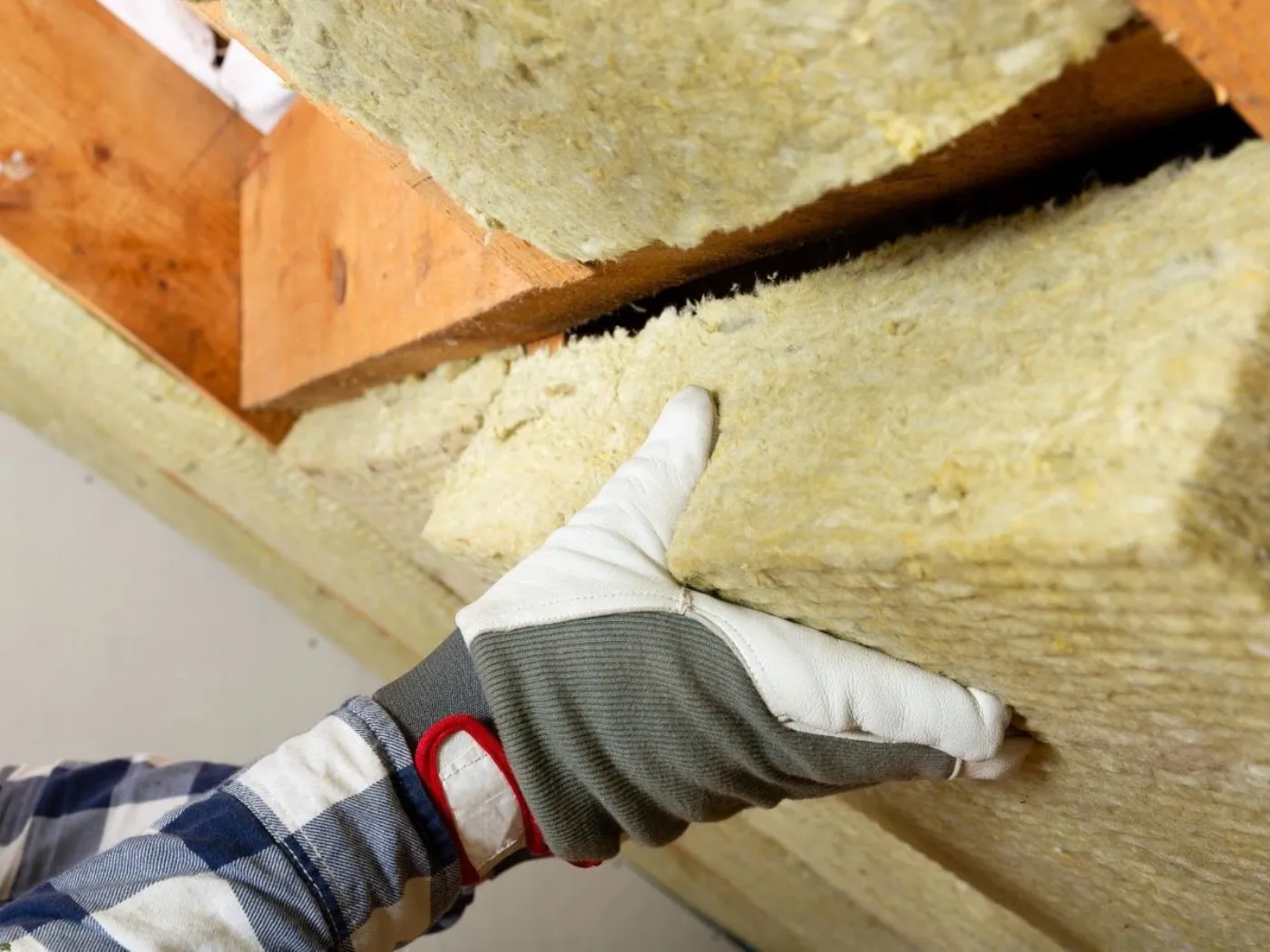
Heat naturally moves from hotter areas to cooler areas. In summer, that means the heat outside your home is constantly trying to migrate indoors, even if the AC is working overtime.
What That Looks Like In A Real Home
On hot days, the roof and exterior walls absorb solar heat, and the attic can become one of the hottest spaces in the house. That stored heat then presses downward and inward, raising indoor temperatures and making certain rooms feel impossible to keep comfortable.
- The second floor gets warm first, even with the thermostat set lower than usual.
- Your AC runs longer cycles, but the house still feels uneven from room to room.
- People start “thermostat battles” because one area feels fine while another feels like an oven.
R-Value In Plain English
R-value is simply a measure of resistance to heat flow. The higher the R-value, the harder it is for heat to pass through that surface, which is exactly what we want when the outdoors is trying to bake the indoors.
When homeowners ask, does insulation help in the summer, the simplest answer is yes because it slows that heat movement before it ever becomes an indoor comfort problem. That is why we look at insulation as a comfort and efficiency tool, not a winter-only upgrade.
The Attic Is the Biggest Summer Heat Source in Many Homes
Sun Exposure Turns the Attic Into a Heat Reservoir
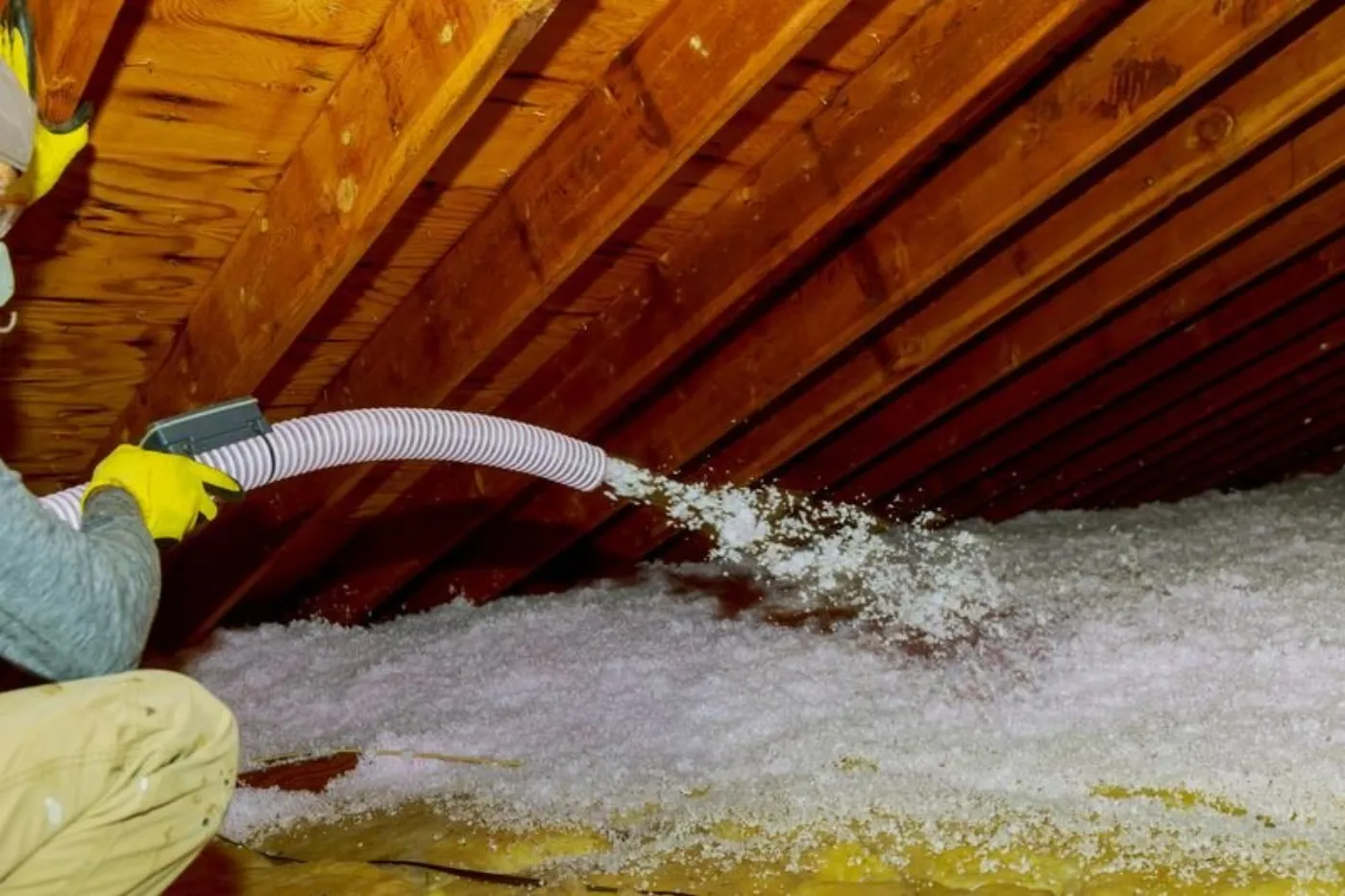
All day long, the roof absorbs solar heat and transfers it into the attic space. Even if the rest of the house is conditioned, the attic can hold a huge amount of stored heat that lingers well into the evening.
That heat does not just sit there politely. It radiates downward toward the ceiling and seeps into rooms below, which is why top floors often feel like they are running a different thermostat than the rest of the house.
Why Ceiling Insulation Matters for Upstairs Comfort
Ceiling insulation acts like a barrier between that heat-loaded attic and the living space. With attic insulation summer performance improves where it counts most, in the bedrooms and hallways directly under the roofline.
Common Signs the Attic Is Driving the Problem
- Upstairs rooms feel warm even after sunset, when outdoor temps start to drop.
- The ceiling itself feels noticeably warmer than interior walls.
- Bedrooms cool down slowly, then heat right back up as soon as the AC cycles off.
Attic Access Points Are Comfort Weak Spots
Even with good insulation levels, attic access points can become easy pathways for heat and air movement. We pay close attention to hatches, pull-down stairs, and knee-wall doors because they are often under-insulated and poorly sealed.
If your upstairs comfort falls apart on hot days, the attic is usually the first place we look. When we tighten and insulate those weak spots, the whole home tends to feel more stable, not just one room at a time.
Insulation Helps Your AC by Reducing Peak Cooling Load
Peak Cooling Load, Explained Simply
Peak cooling load is the time of day your AC is working its hardest, usually during the hottest afternoon hours. It is simply the amount of heat your system has to remove to hold your thermostat setting when outdoor conditions are pushing back.
According to ENERGY STAR, air sealing and insulation help keep your home comfortable and can reduce heating and cooling costs, which is exactly why insulation matters during peak summer heat.
What You May Notice After Improvements
- The AC runs in more manageable cycles instead of feeling like it never shuts off.
- Hot spots calm down, especially in rooms that used to feel stubborn.
- The house holds comfort longer, even when a heat wave stretches for days.
Insulation is not a replacement for air conditioning, and we do not position it that way. It is a support system that helps your equipment do its job more effectively, which is why does insulation keep your house cool has a very practical answer.
Humidity and Comfort: Insulation Helps, but Air Sealing Completes the Job
Why Humid Air Makes a Home Feel Hotter
Humidity changes how our bodies cool themselves, so the house can feel warmer even when the thermostat says it should be comfortable. When humid outdoor air sneaks inside, the AC has to do two jobs: cool the air and remove moisture.
According to the U.S. Department of Energy, air sealing helps reduce drafts and prevents outside air from leaking into the home, which also reduces the moisture load your system has to handle.
Insulation vs Air Sealing Roles
- Insulation slows heat flow through surfaces like ceilings, walls, and floors.
- Air sealing blocks the movement of hot, humid air through gaps and cracks.
- Together, air sealing and insulation improve comfort without forcing the AC to fight constant infiltration.
Common Leak Paths We Look For
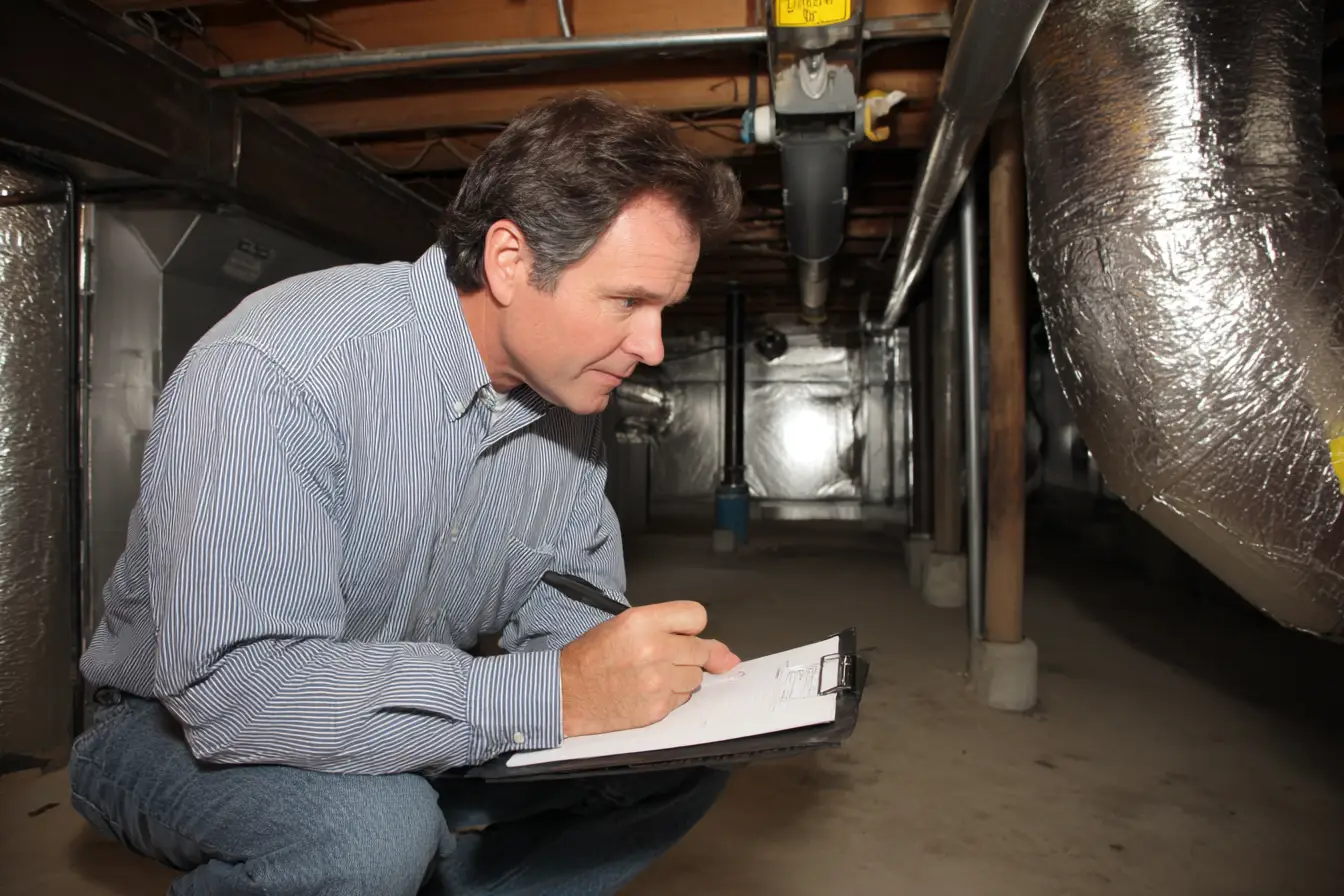
Attic penetrations, rim joists, recessed lights, and open chases can all act like hidden entry points. When we tighten these areas, homes tend to feel less sticky, less drafty, and more consistently comfortable even in summer.
Will Insulation Make Our House Hotter? The Myth and the Real Cause
The Quick Debunk
No, insulation does not make a cooled home hotter. Insulation slows heat transfer, so when our AC is running, insulation helps keep outdoor heat from pushing its way inside. According to the U.S. Department of Energy, insulation reduces heat flow, which is useful in both hot and cold seasons.
Why a Home Can Still Feel Too Warm
- Air leaks pull in hot air from outdoors, garages, attics, or crawl spaces.
- Attic heat gain can overwhelm comfort if the upper levels are under-protected.
- Poor ventilation strategies can trap heat where we do not want it.
- An undersized or struggling HVAC system may not keep up during extreme days.
- Solar gain through windows can heat up rooms fast, especially in the afternoon.
A Simple Mental Model
Think of insulation as the wall between the outdoors and the comfort we are paying for. It helps keep unwanted heat out and conditioned air where we want it, which is why does insulation help in the summer has an easy answer.
Next Steps for a Cooler, More Comfortable Home
Insulation is not just a winter upgrade. It slows heat movement in summer, helps the attic stop acting like a heat battery, reduces how hard our AC has to work during peak hours, and pairs with air sealing to limit humidity and drafts. It also does not trap summer heat inside when the home is being cooled, so that concern usually points to another issue like air leaks, poor ventilation strategy, solar gain through windows, or HVAC performance.
To move forward, start by checking attic insulation depth and looking for areas where coverage is thin or uneven, then inspect attic access points for gaps around hatches, pull-down stairs, or knee-wall doors. Next, walk the home and note obvious air leaks around penetrations, chases, and rim-joist areas. If comfort problems keep showing up, we can schedule an evaluation with PowerHouse Home Performance to take a whole-home approach: air sealing and insulation first, followed by ventilation and HVAC tuning as needed. The end goal is steady comfort that feels cooler without asking the AC to do all the heavy lifting.