
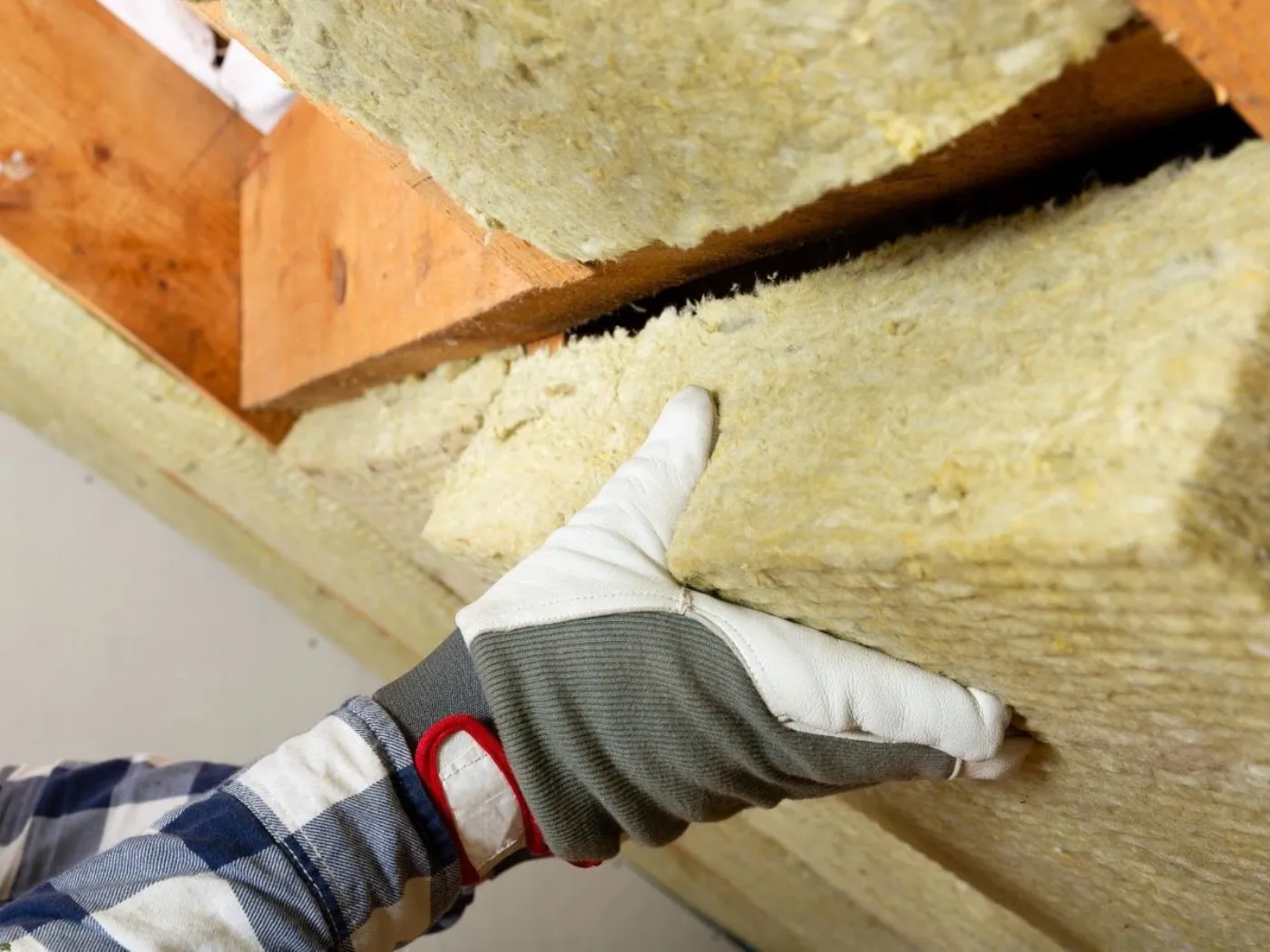
For many homeowners, rising energy bills feel like a constant source of stress—especially when comfort inside the home doesn’t seem to match what you’re paying each month. You may know that insulation plays a role in home energy efficiency, but deciding which upgrades are actually worth the investment can feel overwhelming. With so many options and price points, it’s natural to worry about spending thousands of dollars without knowing whether those improvements will truly pay off in energy savings.
That uncertainty leads to an important question: at what point does adding insulation stop delivering meaningful energy savings? Insulation is a critical part of improving home energy efficiency, helping reduce wasted energy, lower monthly utility costs, and create more consistent indoor comfort year-round. But while insulation is essential, it isn’t a magic fix on its own—and adding more doesn’t always mean saving more.
Just like any investment, home insulation reaches a point of diminishing returns, where each additional dollar spent delivers smaller and smaller energy savings. Finding the “sweet spot” means understanding how insulation fits into your home as a whole system, rather than treating it as a standalone solution. That balance is where true home energy efficiency—and real financial peace of mind—begins.
Understanding Cost Per Dollar: How Insulation Really Pays You Back

When homeowners think about insulation, the conversation often starts with upfront cost. What matters just as much is what that investment returns over time. At its core, cost per dollar saved compares how much you spend on insulation upgrades versus how much you reduce your energy bills over the life of those improvements.
From a home energy efficiency perspective, the goal is not to spend the least or the most. It is to spend wisely, targeting improvements that deliver measurable, long-term savings without unnecessary upgrades that add cost but little benefit.
What “Cost Per Dollar Saved” Really Means
Cost per dollar saved looks at how efficiently your insulation investment converts into energy savings. Some upgrades pay for themselves quickly, while others may take decades to break even.
- Upfront insulation costs should be weighed against projected monthly and annual energy savings.
- The best returns typically come from fixing the biggest sources of energy loss first.
In homes with major gaps or poor thermal barriers, initial insulation improvements can dramatically improve home efficiency and comfort.
Why Diminishing Returns Matter
Insulation follows a law of diminishing returns. The first improvements usually deliver the largest energy savings because they address the most significant weaknesses in the home.
As insulation levels increase, each additional layer contributes less to reducing energy use. At a certain point, the added cost outweighs the savings, even though insulation levels technically improve.
Factors That Influence Insulation ROI
Every home reaches its sweet spot at a different point. Several variables determine how much energy savings insulation can realistically deliver.
- Existing insulation levels play a major role in determining potential gains.
- Local climate affects how hard your home works to stay comfortable year-round.
- Energy costs influence how quickly savings add up.
- Air leakage can undermine insulation performance if left unaddressed.
Why More Insulation Is Not Always Better
Adding insulation without understanding the whole system can lead to disappointing results. Home energy efficiency is about balance, not excess. When insulation upgrades are guided by building science and system-level insight, homeowners avoid overspending while still achieving meaningful, lasting energy savings.
Where the Sweet Spot Usually Lives and Why It Is Different for Every Home
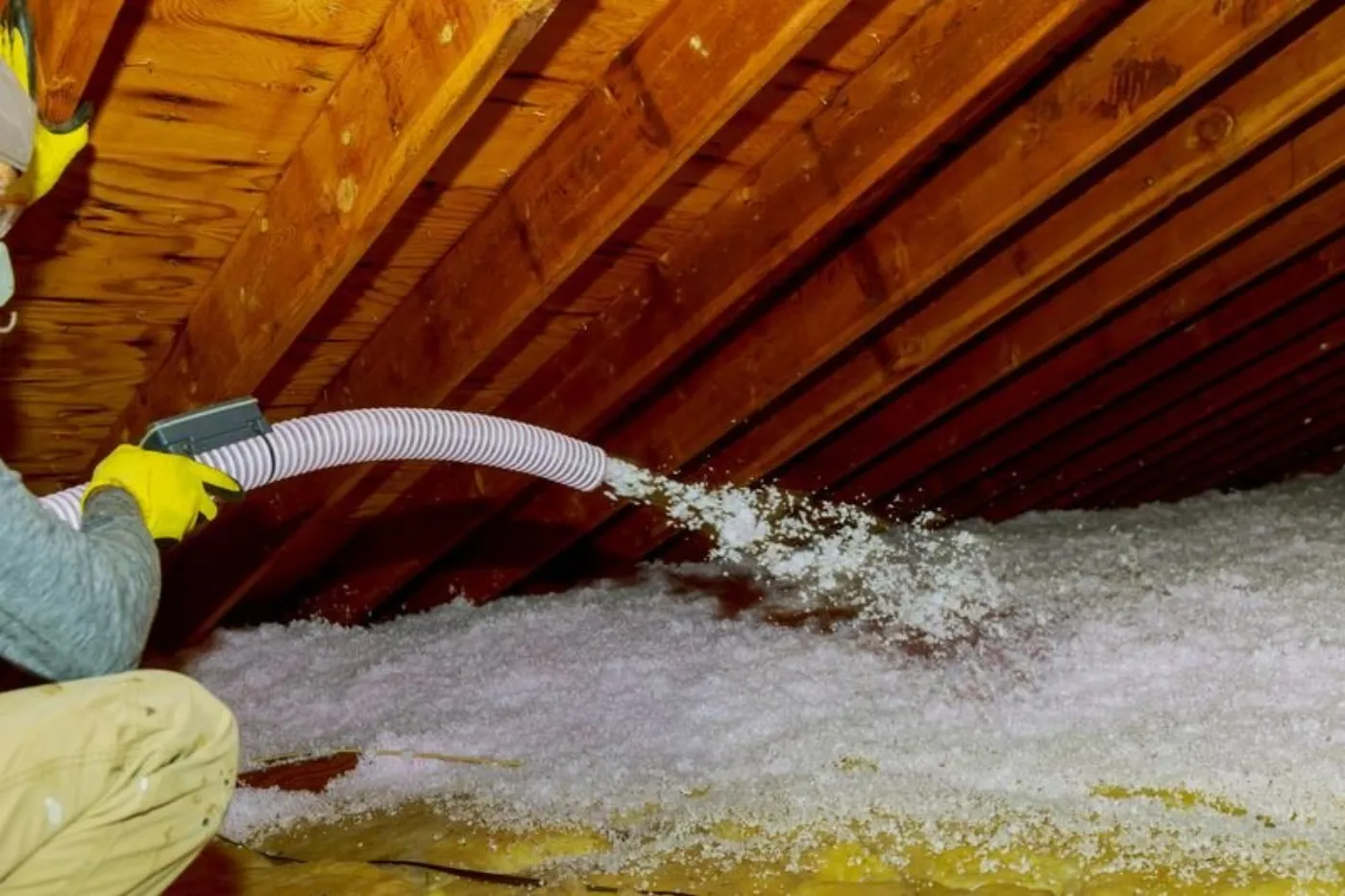
Finding the insulation sweet spot means investing just enough to noticeably improve home energy efficiency without paying for upgrades that deliver minimal additional savings. This point is where comfort improves, energy waste drops, and costs stay aligned with real performance gains. It is not a universal number or insulation level, but a balance shaped by how each home actually behaves.
We approach this sweet spot by looking at where insulation can have the greatest impact first, rather than spreading improvements evenly throughout the home.
Areas That Often Deliver the Best Value
Certain parts of the home tend to lose energy faster than others. Focusing insulation upgrades in these areas often leads to stronger returns and more immediate comfort improvements.
- Attics are a major source of heat loss and gain because heat naturally rises and escapes upward.
- Rim joists are thin, leaky transition zones that often lack proper insulation and air sealing.
- Basements and crawlspaces influence floor comfort and overall moisture control when properly insulated.
Targeting these zones typically supports better home energy efficiency than less accessible or less exposed areas.
Why Walls Are Not Always the Best Starting Point
Wall insulation can be effective, but it is often more expensive and disruptive to install. In many homes, walls already contain some insulation, which limits how much additional energy savings can be gained.
When insulation is added without addressing airflow and pressure dynamics, wall upgrades may deliver smaller returns compared to other improvements.
Every Home Reaches the Sweet Spot Differently
No two homes share the same insulation needs or savings potential. Factors such as age, construction style, and previous upgrades all influence where meaningful gains occur.
- Older homes often benefit more from targeted improvements due to inconsistent insulation coverage.
- Modern construction may require less insulation but more attention to system coordination.
Insulation works best when paired with complementary improvements, allowing us to improve home energy efficiency as part of a connected, whole-home strategy rather than a single upgrade.
Why Insulation Alone Often Falls Short of True Home Energy Efficiency
Insulation plays an important role in reducing heat loss, but it cannot deliver full home energy efficiency on its own. Homes function as interconnected systems where each component influences how energy moves, escapes, and is used. When insulation is added without considering the rest of the house, energy savings often fall short of expectations.
We look at the home as a living system, not a collection of isolated upgrades. That perspective helps explain why insulation by itself rarely solves comfort and efficiency challenges.
A Home Is More Than Its Insulation
True home energy efficiency depends on how well the entire system works together. The building shell, heating and cooling equipment, airflow pathways, moisture movement, and indoor air quality all interact constantly.
- The shell controls how heat enters and leaves the home.
- HVAC systems must be sized and balanced to match the home’s actual needs.
- Airflow and moisture movement affect comfort, durability, and energy use.
If one part underperforms, it can limit the effectiveness of every other improvement.
Problems Insulation Cannot Solve Alone
Insulation slows heat transfer, but it does not stop uncontrolled air movement or correct mechanical imbalances. These issues can quietly drain energy even in well-insulated homes.
- Air leaks allow conditioned air to escape and outside air to enter.
- Oversized or undersized HVAC systems cycle inefficiently and reduce comfort.
- Poor ventilation traps pollutants and moisture, impacting health and durability.
Adding insulation without addressing these factors is like wearing a winter coat with the zipper open. The insulation is there, but energy still escapes.
Why System Interactions Matter
When system interactions are overlooked, insulation upgrades deliver smaller savings and uneven comfort. Home energy efficiency improves most when insulation is coordinated with airflow control, mechanical performance, and moisture management.
This is why we emphasize a whole-home performance approach, ensuring every improvement supports the others rather than working against them.
The Holistic Home Performance Approach and Why Systems Thinking Saves More Money

Holistic home performance means looking at the house as a complete, connected system rather than a checklist of isolated upgrades. Instead of asking how much insulation to add, we focus on how every part of the home works together to support comfort, efficiency, and long-term value. This systems-based perspective allows us to improve home energy efficiency without unnecessary spending.
We guide homeowners through decisions using data and building science, not assumptions or sales-driven recommendations.
What Whole-Home Performance Really Looks Like
Whole-home performance brings multiple components into alignment so they support each other instead of competing. When these elements are balanced, improvements become more effective and predictable.
- The building envelope controls heat flow and protects the home from outdoor conditions.
- Mechanical systems must match the home’s actual heating and cooling demands.
- Airflow and pressure balance influence comfort, moisture control, and energy use.
Addressing these elements together allows us to see where improvements will have the greatest impact.
Finding the Right Amount of Insulation
Systems thinking helps us identify how much insulation is enough, and when additional upgrades stop making sense. By testing and evaluating the home as a whole, we avoid recommending insulation levels that add cost without meaningful returns.
This approach prevents overspending by focusing on targeted improvements rather than blanket upgrades. Homeowners benefit from insulation that supports measurable gains in comfort and energy savings.
Home Energy Efficiency That Lasts
When insulation is coordinated with airflow, mechanical performance, and moisture management, results extend beyond lower utility bills. Home energy efficiency also shows up as quieter spaces, healthier indoor air, and reduced wear on major systems.
- Consistent temperatures improve daily comfort.
- Balanced systems reduce long-term maintenance and repair costs.
We act as trusted guides throughout this process, helping homeowners make informed decisions that deliver lasting value rather than quick fixes.
Making the Right Decision for Your Home Without Guesswork or Regret
Making decisions about home upgrades can feel exhausting, especially when you are trying to balance rising energy costs with the fear of making the wrong investment. The goal is not to add the most insulation possible, but to add the right insulation in the right places to support true home energy efficiency. By starting with proper testing, diagnostics, and a professional assessment, homeowners gain clarity before committing to upgrades. Our process is educational, data-driven, and always homeowner-first, designed to remove guesswork and replace it with confidence. When improvements are guided by whole-home thinking, smart investments lead to better comfort, lower energy bills, and energy savings that last for years to come.