
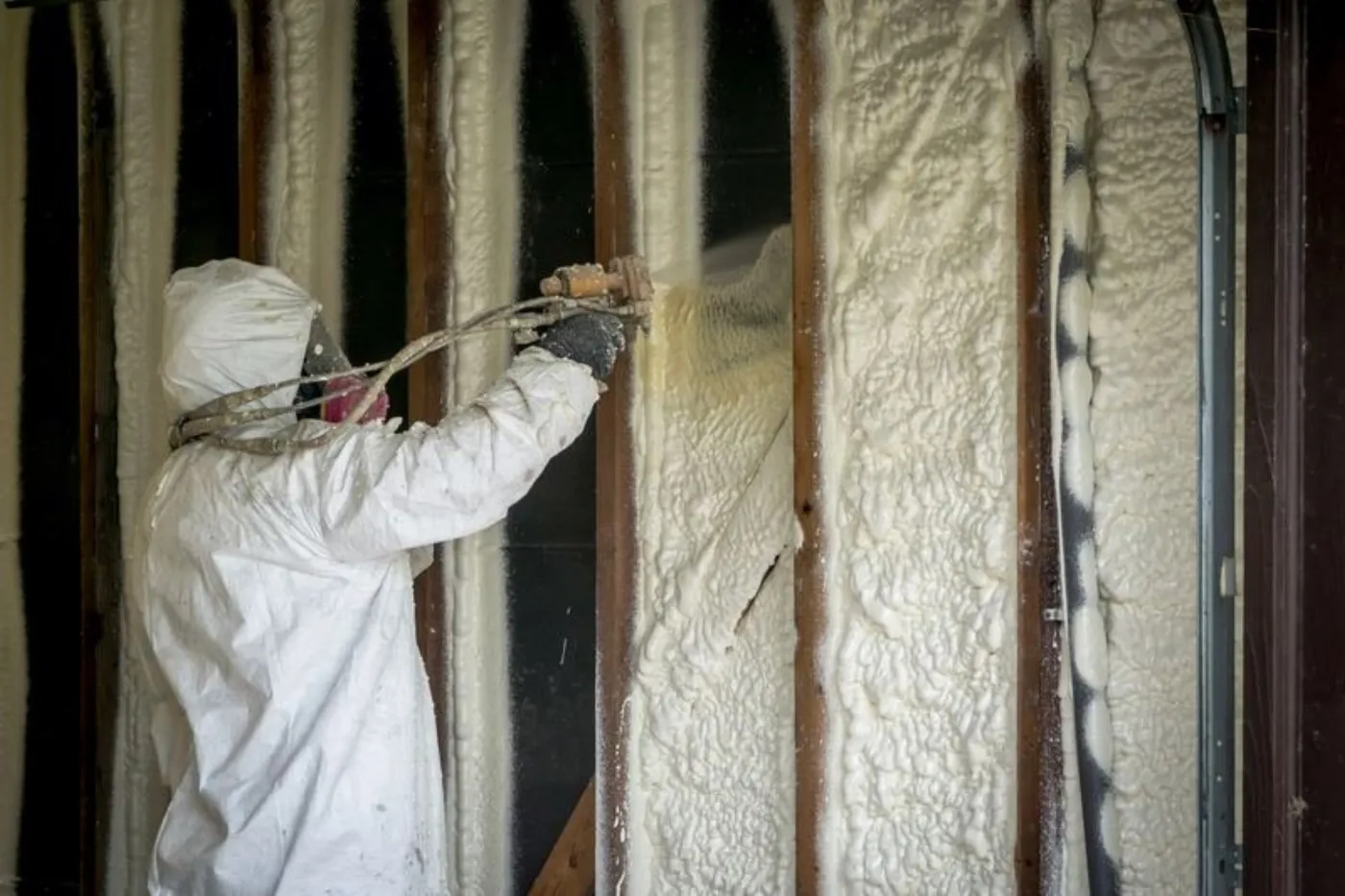
The AC is running. The thermostat says everything is fine. Meanwhile, the upstairs bedroom has apparently chosen “desert lizard habitat” as its summer personality.
If that sounds familiar, you are not alone. Plenty of Northern Colorado homeowners start side-eyeing the air conditioner when the real problem may be that the house is making the AC fight uphill all afternoon.
That is where summer insulation and air sealing come in. Done correctly, they slow heat flow, reduce unwanted air movement, and make your home feel more consistent. These upgrades work best within your home’s whole system. Understanding how they fit is key.
Your AC Might Be Getting Blamed For A House Problem

When a home feels hot, the AC usually gets called to the witness stand first. Maybe it is too small. Maybe it is getting old. Maybe it has retired emotionally, but not legally.
Sometimes, yes, HVAC services are exactly what the home needs. But summer comfort problems can also come from air leakage, attic heat, weak insulation, duct losses, crawl spaces, windows, walls, and pressure imbalances. NREL’s residential load research supports that whole-home framing: cooling load is shaped by multiple parts of the building, not just the equipment outside.
You see, the AC can only do its job inside the conditions the house creates.
The Short Answer: Insulation Helps In Summer, But It Is Not The Whole Story
Does insulation help keep a house cool in summer? Yes. The U.S. Department of Energy explains that during the cooling season, heat moves from outdoors into a house, and insulation helps reduce that heat flow.
In plain English, insulation makes it harder for summer heat to bully its way through ceilings, walls, floors, and other surfaces.
But insulation alone is not enough. If air leaks around or through it, combining summer insulation and air sealing is the most effective way to maintain comfort, even if you adjust the thermostat repeatedly.
Heat Moves Toward Your Cool Living Space
Summer heat is persistent. It moves through roof decks, attic spaces, exterior walls, garages, crawl spaces, and sun-baked surfaces.
If your upstairs rooms sit below a hot attic, the ceiling can be part of the problem. That is why diagnosis matters before buying materials, blaming the thermostat, or whispering threats at the AC.
Why Air Sealing Usually Comes Before Adding More Insulation
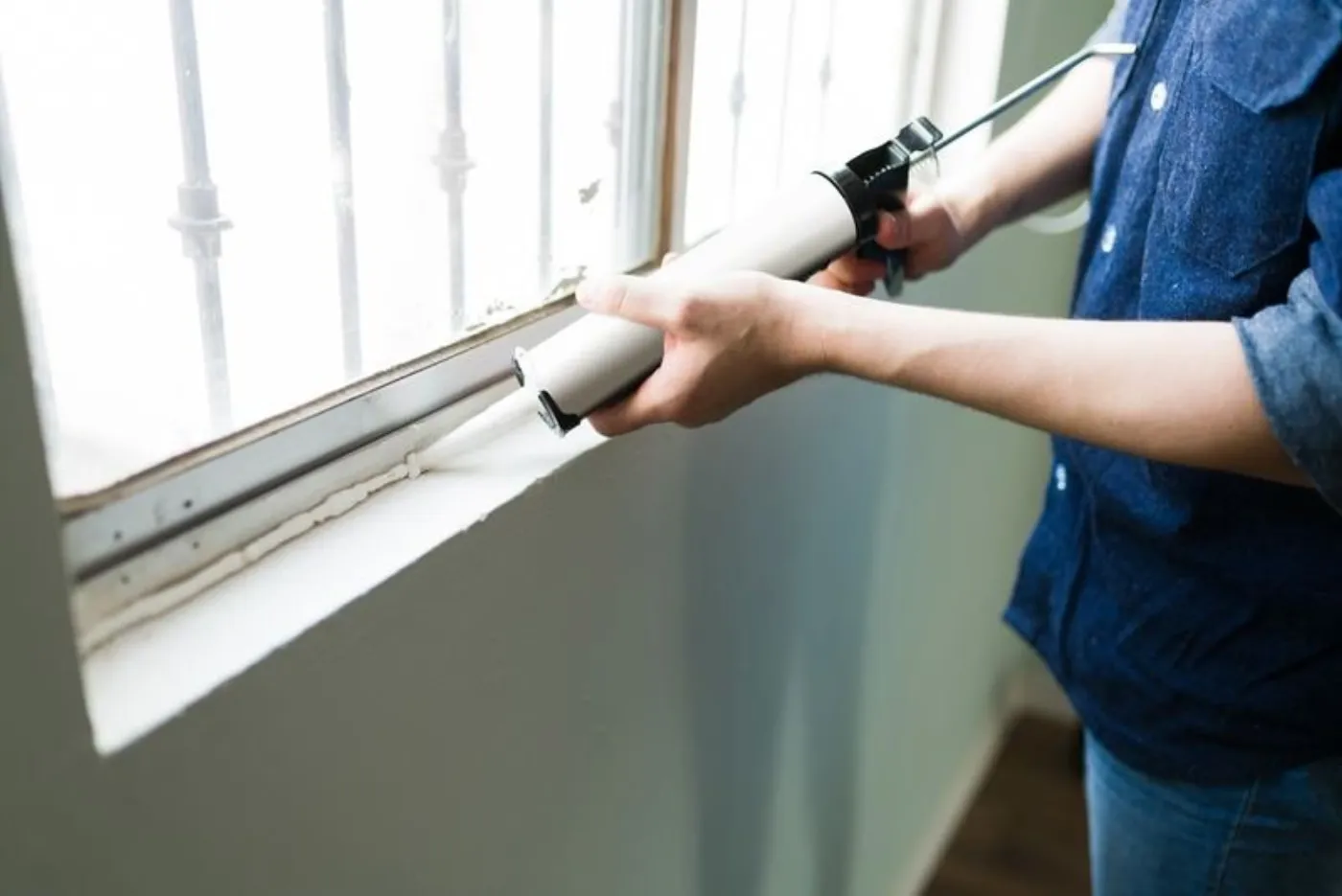
Adding insulation to a leaky house can help sometimes, but it may not solve the root causes. It is like putting a thicker blanket over a screen door. Better blanket, same breeze.
This is why summer insulation and air sealing usually go hand in hand. Air sealing blocks gaps and cracks that let in unwanted air. Insulation slows heat transfer. Together, they keep your house comfortable and efficient far better than either alone.
Tiny Leaks Can Add Up Fast
Colorado State University Extension notes that small air leaks can add up to the equivalent of a window open all day, every day. That is not the summer cooling strategy most homeowners want.
Common leakage locations include:
● The attic hatch looks harmless until hot air starts using it like a hallway.
● Recessed lights, wiring holes, plumbing penetrations, and top plates.
● Ductwork gaps, register boots, outlets, rim joists, and crawl space transitions.
● Fireplaces, doors, windows, and attached-garage connections, especially in homes with older remodels.
CSU Extension also notes leakage can come from floors, walls, ceilings, attics, ducts, penetrations, doors, windows, and outlets. In other words, the obvious draft by the window may not be the main issue.
Helpful? Yes. Slightly annoying? Also yes.
Insulation Cannot Do Its Best Work If Air Is Moving Through It
Insulation is designed to slow the transfer of heat, but not to stop air from sneaking through holes.
When air moves through insulation, it can carry heat, dust, humidity, and pressure problems. The insulation may be present but cannot do its job well.
This is why the best approach for summer comfort is to identify air leakage, seal bypasses, ensure proper ventilation and safety, then insulate. Air sealing before insulation helps summer insulation work as intended, making your home feel cooler.
The Attic Is Often Where Summer Comfort Goes To Lose A Fight
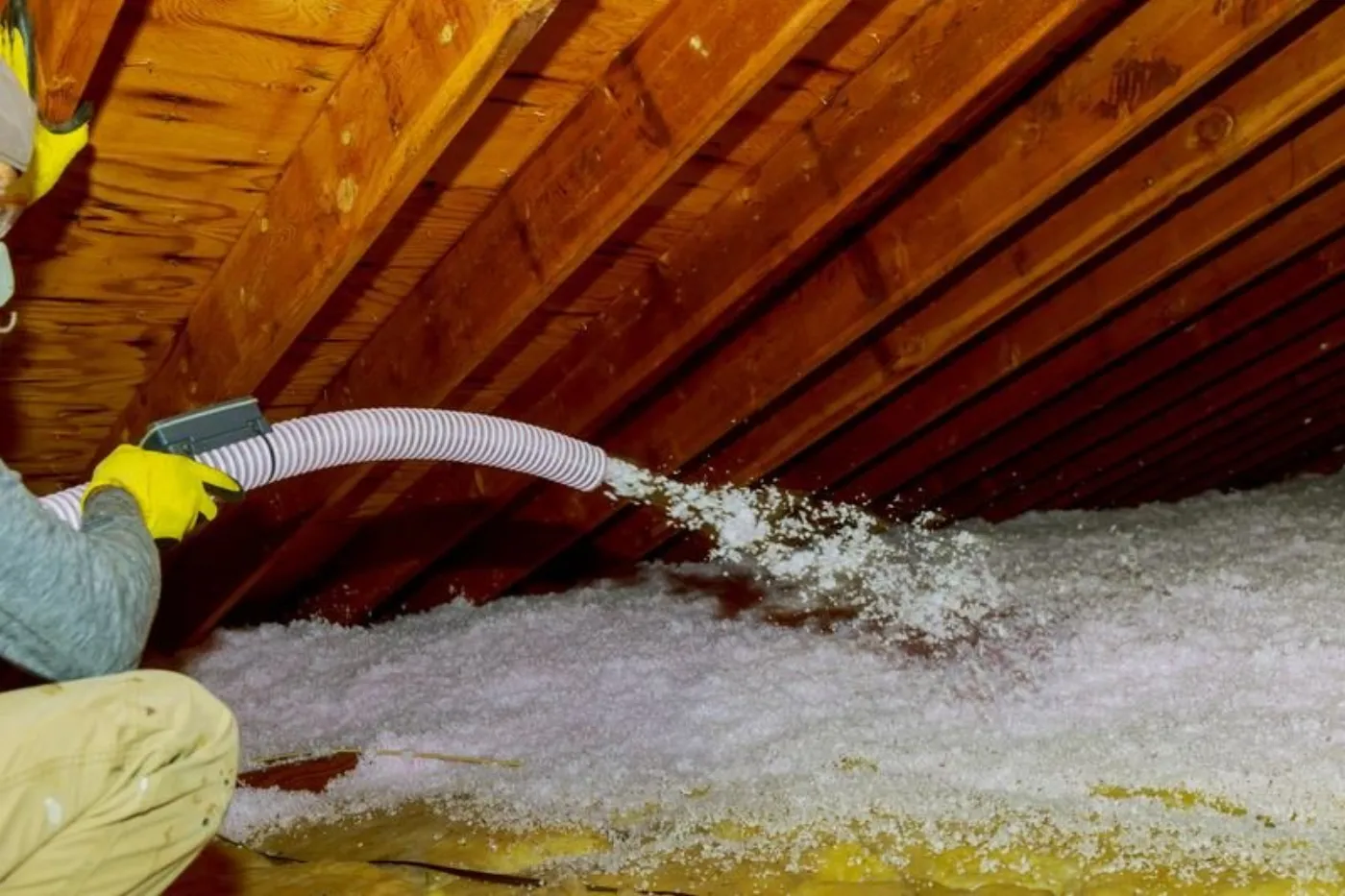
If you are wondering why your house is hot upstairs even with the AC on, look up.
Not emotionally but physically.
The attic is often a major summer comfort troublemaker because it can get extremely hot and sit directly above bedrooms, hallways, bonus rooms, and offices. Attic insulation for summer heat matters because the ceiling is the boundary between that hot attic and the cooler rooms below.
Hot Attic Air Presses Against The Rooms Below
Hot attic air does not need a formal invitation. It can press against ceiling drywall, move through attic bypasses, and find gaps around lights, chases, ductwork, and access panels.
If insulation is thin, uneven, compressed, or missing in spots, one upstairs room may feel fine while another becomes a sauna. This is where “we already have insulation” may be true but not the whole story.
R-Value Matters, But So Does Installation Quality
R-value measures how well insulation resists heat flow. A higher R-value generally means greater resistance, but the right target depends on climate zone, existing insulation, attic conditions, and installation details.
DOE climate-zone guidance points to high attic R-values for many colder-climate areas, including zones relevant to many Front Range and Northern Colorado homes. That does not mean every home needs the same prescription. A home energy assessment can show what is actually there, its condition, and whether air sealing should be done first.
Installed quality matters too. Gaps, compression, wind washing, and buried air leaks reduce performance. The label on the bag is only part of the story. The house still gets a vote.
Ducts, Crawl Spaces, And Pressure Problems Can Steal Your Cool Air
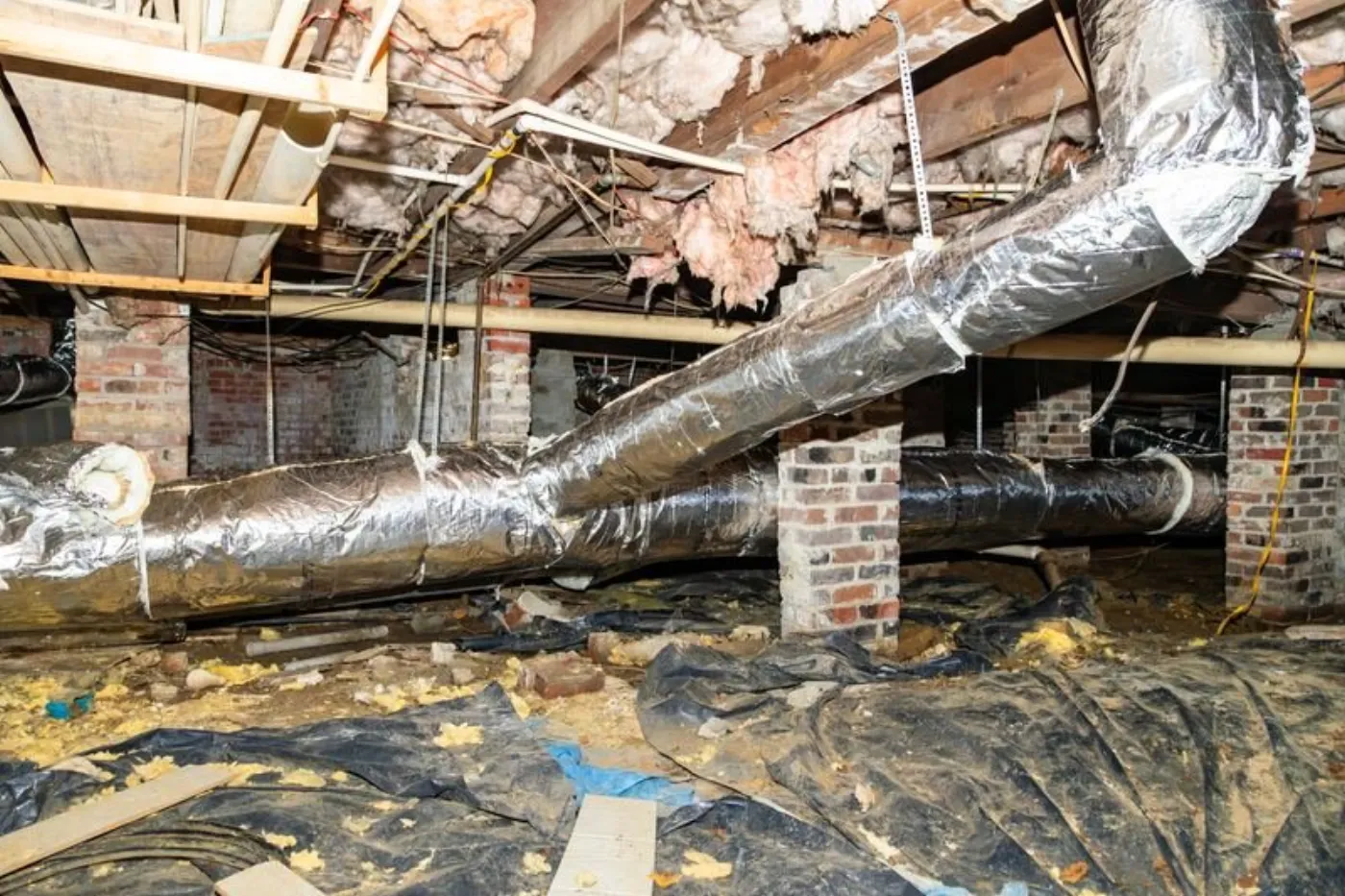
Insulation and air sealing matter, but the home also includes ducts, crawl spaces, attached garages, mechanical rooms, vents, fans, and pressure relationships.
That sounds fancy but mostly means air follows pathways, and some of those are inconvenient, dusty, hot, or all three.
Leaky Or Poorly Routed Ducts Can Waste Conditioned Air
If ductwork runs through hot or unconditioned spaces, leaks and poor insulation waste cooled air before it reaches the room. The AC may make cold air fine, but some ends up in the attic.
Duct problems can also create uneven room temperatures. One bedroom gets plenty of airflow. Another gets a polite suggestion of airflow.
That is not a thermostat setting. That is a clue.
The House Moves Air As A System
Pressure imbalance happens when parts of the home push or pull air differently. Closed bedroom doors, leaky return ducts, exhaust fans, crawl space connections, and attached garage pathways affect how air moves.
This is one reason crawl space encapsulation, duct checks, attic inspection, and air sealing are often discussed together. They are connected, even if they appear to be separate problems.
Go figure. The house is acting like a house again.
Testing Turns Summer Comfort Guesswork Into A Plan
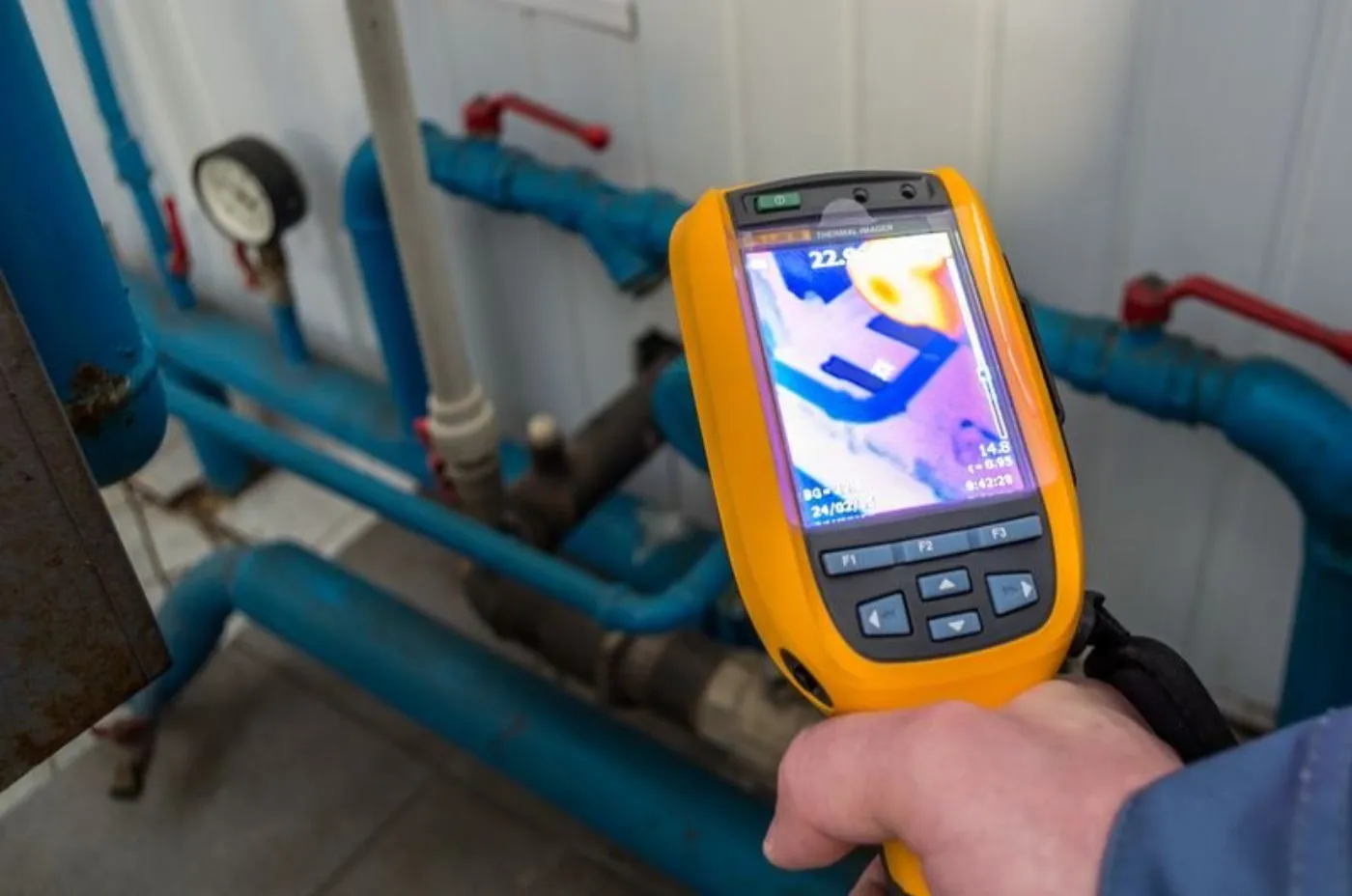
Guesswork can get expensive. A homeowner may add attic insulation, replace a thermostat, call for AC repair, seal a few visible cracks, and still end up with the same hot hallway doing its impression of Mars in July.
A home energy assessment focused on summer comfort will pinpoint the causes of hot rooms and help you target summer insulation and air sealing where they are needed most—eliminating guesswork before you spend money.
What A Home Energy Assessment Can Show
A PowerHouse home energy assessment may include blower door testing, thermal imaging, insulation inspection, duct review, HVAC context, and safety considerations.
A blower door test uses a calibrated fan to measure leakage. Thermal imaging helps identify temperature differences that point to insulation gaps or hidden air leaks. Duct review shows whether cooled air reaches the rooms where people sleep, work, or avoid melting. The useful part is not one test result but the pattern. A hot ceiling, a leaky attic hatch, a weak supply run, and a constantly running AC may tell the same story. Once those clues line up, the next step is less mysterious.
CSU Extension recommends blower door testing before significant air sealing, as it can show where leakage is occurring and how much the house changes after work.
A good assessment does not just say, “Yep, hot.” It connects symptoms to root causes and clear, practical next steps.
Why Measurable Leakage Matters
ENERGY STAR estimates that air sealing and adding insulation in attics, floors over crawl spaces, and accessible basement rim joists can save an average of 15% on heating and cooling costs, or 11% on total energy costs. Those are modeled averages, not guarantees.
Want to keep your home cooler this summer? Schedule an energy assessment or consultation to get personalized recommendations and start improving your comfort and efficiency today.
NREL research on aerosol envelope sealing found average leakage reductions of 47% across field demonstration sites, compared with typical conventional reductions of 25% to 30%. That does not mean every home will see that result. It reinforces the larger point: leakage can be measured, reduced, and verified rather than guessed.
If your AC is working but your house still feels hot, PowerHouse can look at the whole picture: insulation, air sealing, ducts, attic conditions, crawl spaces, HVAC workload, and safety considerations.
What Homeowners Should Be Careful About Before DIY Sealing
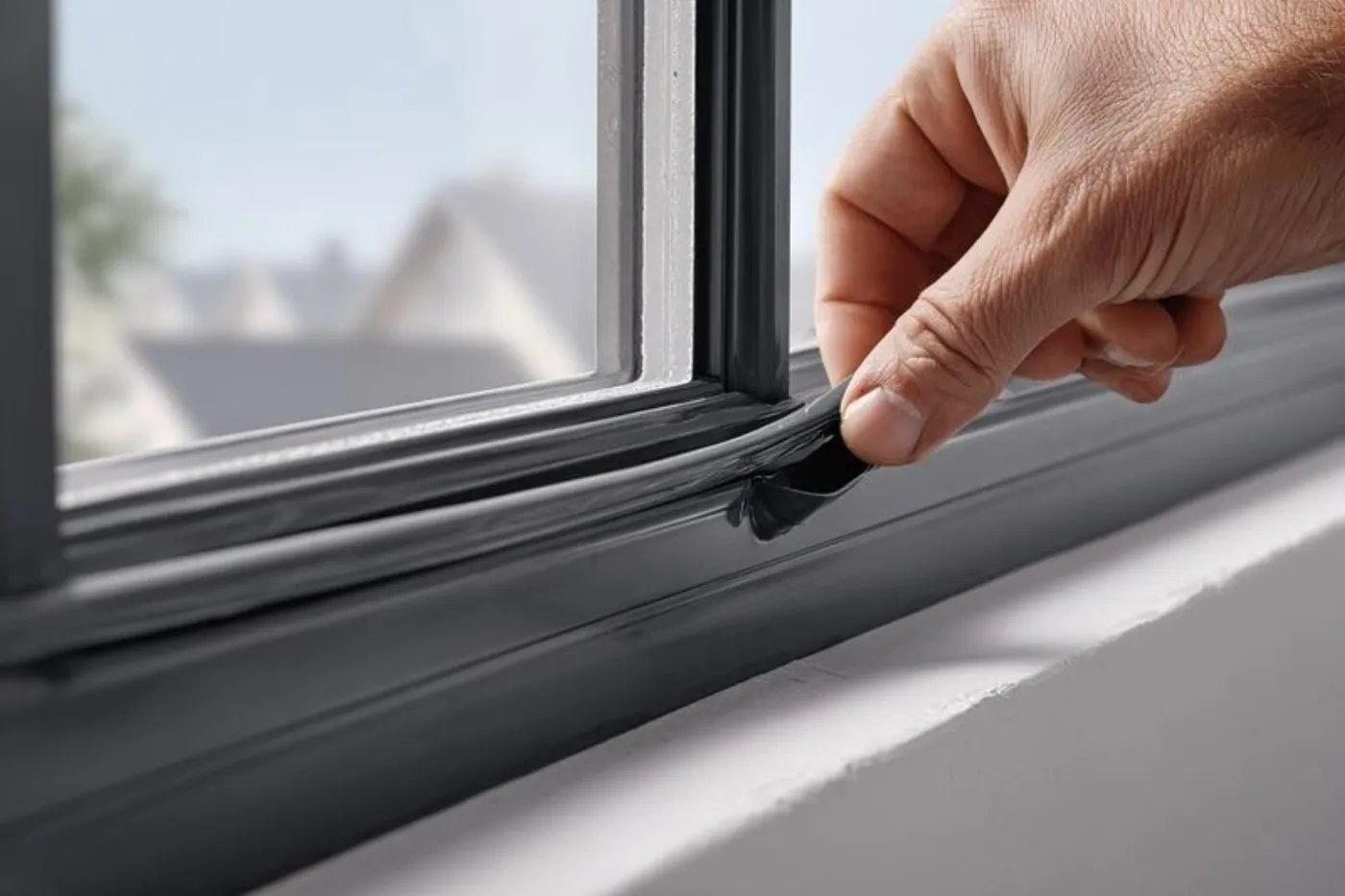
There are plenty of simple homeowner steps that can help. Weatherstripping a door, checking an attic hatch, replacing a missing outlet gasket, or noting comfort patterns are good starts.
But larger air-sealing work can affect ventilation, combustion safety, indoor air quality, and moisture movement. That is where “just foam everything” stops being a plan.
Combustion Safety, Ventilation, And Indoor Air Quality Still Matter
Tighter homes may need evaluation of gas appliances, fireplaces, attached garages, exhaust fans, a fresh-air strategy, and indoor air quality. Air sealing can reduce uncontrolled air movement, but homes still need appropriate ventilation.
Changes to air pressure and leakage can affect how combustion appliances draft and operate. This is not meant to scare anyone from air sealing but to encourage doing the work with proper testing and sequence.
Do Not Disturb Suspect Attic Materials
If you see vermiculite or any unknown attic material, do not disturb it. Some older attic materials may contain asbestos or require specific testing and handling.
Safe homeowner’s next steps include:
● Write down which rooms overheat and when the problem occurs.
● Listen to the AC pattern: constant running, short cycling, or giving up during late-afternoon heat all mean different things.
● Look for obvious gaps around attic hatches or access doors without disturbing insulation.
● Leave major sealing, attic work, and unknown materials alone until ventilation, combustion safety, and material risks have been considered.
You do not need to diagnose the whole house yourself. You just need enough information to know when guessing has stopped being useful.
How To Know If Summer Insulation And Air Sealing Should Be Next

Summer insulation and air sealing may be worth evaluating if your home has recurring comfort issues. The goal is not to turn you into a part-time building scientist. The goal is to help you recognize when the house needs a whole-home look.
Signs Your Home Needs A Whole-Home Look
Your home may benefit from a Northern Colorado home energy audit or assessment if you notice:
● Upstairs rooms stay hot even while the AC is running.
● Temperatures swing from room to room or floor to floor.
● Cooling bills feel too high for the comfort you are getting back.
● Dust shows up fast, crawl spaces smell musty, or air seems to come from odd places.
● The AC runs constantly and still cannot catch up.
● Thermostat settings keep getting colder, but comfort does not improve.
Northern Colorado callout: Older and mixed-age homes around the Front Range can have very different insulation levels, attic conditions, duct layouts, and air leakage patterns. Add big daily temperature swings, intense sun, and remodel history, and one-size-fits-all advice gets shaky fast.
Live Smart Colorado notes that air sealing and insulation upgrades may help prevent overheating, and that Manual J cooling calculations account for home leakage and insulation levels when sizing equipment. Translation: the shell of the house and the cooling system are connected.
Rude of physics, but useful to know.
The Better Next Step Is Diagnosis, Not Guesswork
PowerHouse Home Performance helps Northern Colorado homeowners solve comfort, safety, indoor air quality, and efficiency problems through whole-home diagnostics, home energy assessments, HVAC knowledge, insulation, air sealing, crawl space work, radon awareness, and related services.
Exact recommendations, savings, and safety considerations depend on the home. That is why testing matters.
If your AC is running but your house still feels hot, PowerHouse can help you stop guessing and start with the whole picture. A home energy assessment gives you clear, practical next steps for comfort, safety, and efficiency, so the upstairs bedroom can return to being a bedroom rather than a reptile exhibit.