

When “Working” Is Not The Same As “Comfortable”
Picture this: you walk from your living room into the bedroom and it feels like you crossed a state line. The thermostat says 70. Your toes say 62. The upstairs says 78. And the basement is doing its best impression of a wine cellar. Meanwhile your HVAC is humming along like it has zero complaints. Go figure.
This is the moment homeowners start doubting reality, or at least doubting the thermostat’s loyalty. Because if the system is running, the filter is clean, and nothing is “broken,” shouldn’t the whole house feel normal? You see, not necessarily. Comfort is not just about making warm air. It’s about delivering it to the right places, in the right amounts, at the right time, which is why uneven heating in house issues can show up even when the equipment is technically fine.
In this guide, we’ll walk through the most common reasons your house can feel miserable anyway. We’ll cover uneven temperature in house problems, why one room is colder than the rest is a classic, why is my upstairs hotter has a very unromantic physics explanation, and what to do when drafts in house even with heat on keep ruining your day.
Uneven Heating In House: The Real Problem Is Usually Distribution
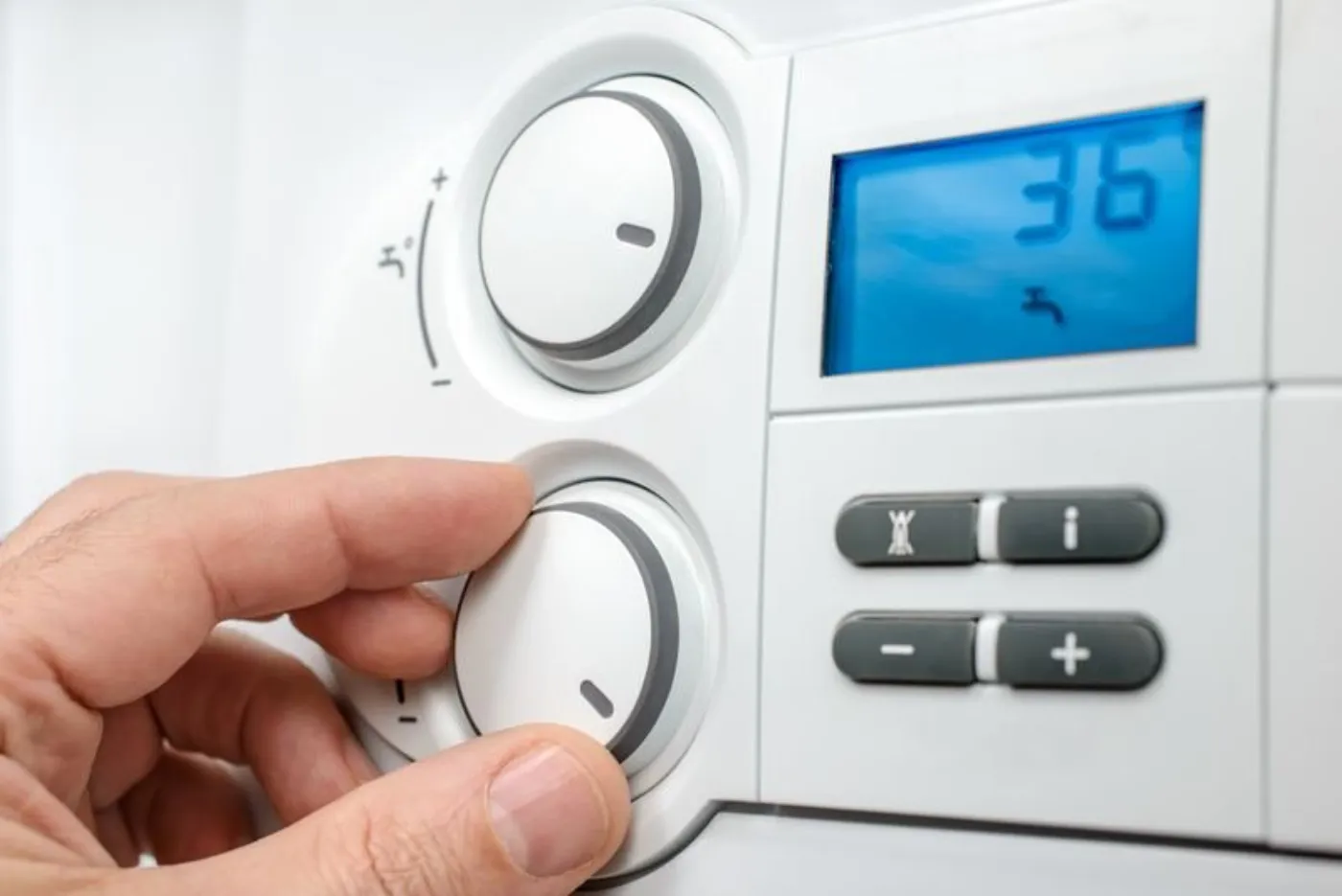
If your system turns on, runs, and shuts off normally, the issue often isn’t heat production. It’s heat delivery. Think of it like a perfectly good delivery truck that keeps leaving packages on the wrong porch. The furnace or heat pump can be “working fine,” but the air is not being distributed evenly through your home.
A lot of comfort complaints trace back to airflow basics: how much air your system can move, how easily it can move it, and whether it has a clear path back to the equipment. Supply gets all the attention, but return air is usually where the plot twist lives.
Common distribution problems look like this:
- A room has supply vents, but the door stays closed and there’s no easy return path.
- Duct runs were added over the years and now some rooms get the “leftovers.”
- Furniture or rugs are blocking registers, which is a bold strategy for indoor climate control.
Then again, the fix is often simple once you know what you’re looking for. If the air can’t circulate, comfort can’t either. The system is not failing, it’s being set up to lose.
One Room Colder Than The Rest: The Sneaky Airflow Killers

When one room colder than the rest becomes your daily routine, start with the boring stuff. Boring is good. Boring is fixable. That back bedroom might not be cursed, it might just be at the end of a long duct run, competing for airflow with rooms closer to the blower.
Also, homes are not evenly “needy.” A room over a garage, a corner bedroom with two exterior walls, or a space with big windows will lose heat faster. If the duct design was never adjusted to match that reality, the room will always lag behind.
A quick homeowner-level reality check:
- Is the register open and not blocked by a dresser that weighs as much as a small car?
- Is the door usually closed, and does the room have a decent return option?
- Does the room sit over an unconditioned space like a garage or crawlspace?
If those basics check out, duct issues come next. Leaks, kinks, disconnected runs, and poorly balanced systems can all create “winner” rooms and “loser” rooms. That is, the house is not being dramatic. It’s being predictable.
Why Is My Upstairs Hotter? Welcome To Stack Effect
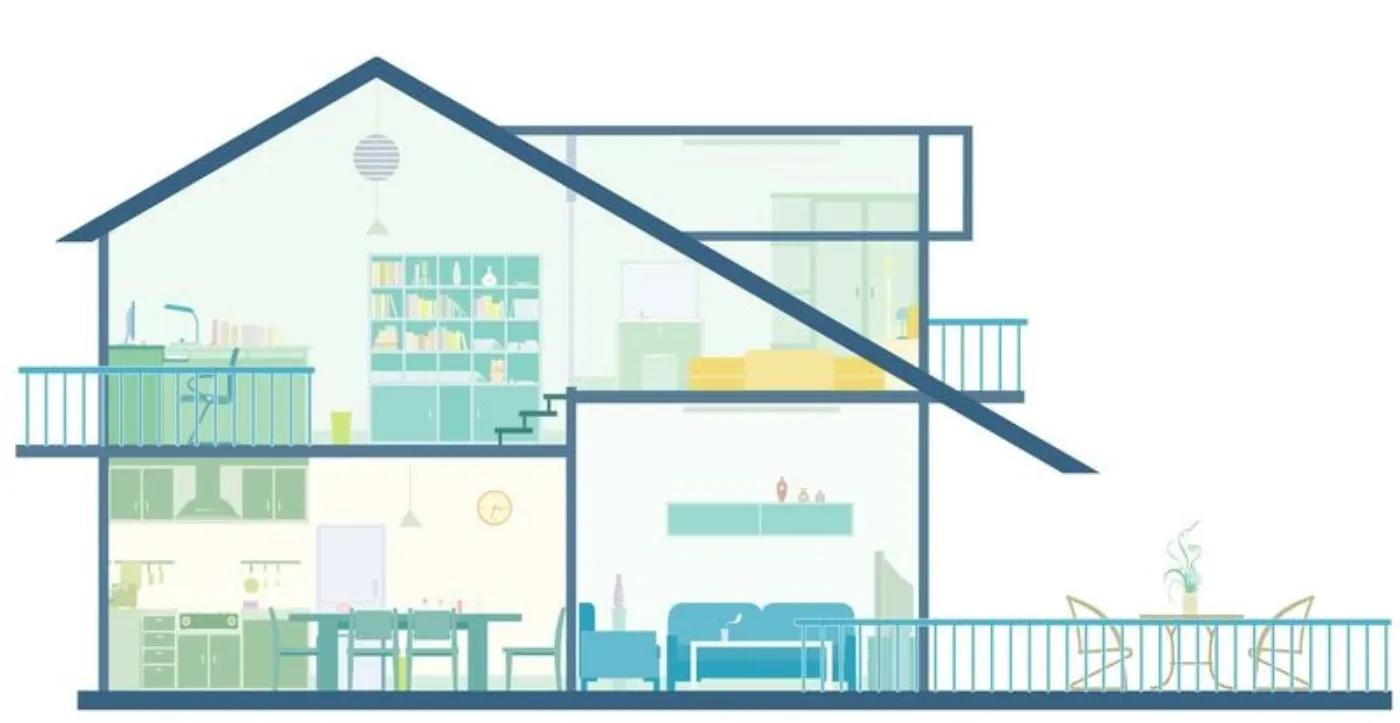
If you have ever asked, why is my upstairs hotter, congratulations. You have met stack effect, the quiet physics gremlin living in your walls. Warm air rises. Cooler air sinks. The house becomes a pressure machine, and the upper floors often end up warmer in winter and hotter in summer, depending on leakage and airflow patterns.
Here’s where it gets annoying: your thermostat is usually on the main floor, feeling pretty satisfied with itself. Meanwhile upstairs is running a different reality show. Add sunlight, attic heat, and weaker airflow to upper rooms and the temperature gap can get dramatic.
Things that make upstairs problems worse:
- Leaky attic hatches, recessed lights, and other ceiling penetrations that let air escape upward.
- Weak return pathways upstairs, so air gets delivered but doesn’t circulate back efficiently.
- Ductwork is routed through hot or cold zones, losing energy before it reaches the rooms.
You can crank the thermostat, but that typically overheats the lower level first. Then you are uncomfortable in two places instead of one. Not unlike trying to fix a leaky roof with a bigger bucket.
Drafts In House Even With Heat On: When The Building Is The Problem

Sometimes the HVAC is doing its part and the house is the one refusing to cooperate. Drafts in the house even with heat on usually means air is leaking in and out through gaps you never see. The system heats the air, and the building immediately trades it for outdoor air like it’s bored.
This is where “turn the heat up” stops being a solution and starts being a donation to the utility company. If you feel drafts near baseboards, outlets, attic access points, or around windows, you may have a building envelope issue that equipment alone won’t solve.
This is also the moment people search for a home energy audit near me, and for good reason. Two diagnostics are especially helpful:
- A blower door test measures how leaky your home is by depressurizing it and tracking airflow.
- Thermal imaging helps reveal insulation gaps and hidden leakage paths that your eyes can’t spot.
Used together, blower door test / thermal imaging can turn guesswork into a clear punch list. Then again, it is hard to “air seal vibes.” You either find the leaks or you don’t.
Fix The Cause, Not The Thermostat Settings
If your HVAC is “working fine” but your comfort is not, the answer is rarely to keep nudging the thermostat like it owes you money. The real fix usually lives in distribution, airflow pathways, and the building envelope, especially when uneven heating in house problems keep showing up room by room. Then again, comfort is a system, not a setting.
If you want a clear plan instead of endless trial-and-error, we can help at PowerHouse Home Performance. We look at the whole picture, including airflow and comfort diagnostics, plus practical upgrades that make the results stick, so your house stops feeling like a collection of competing climates and starts feeling like, you know, one home.